

Black Mold Removal in Clermont, FL
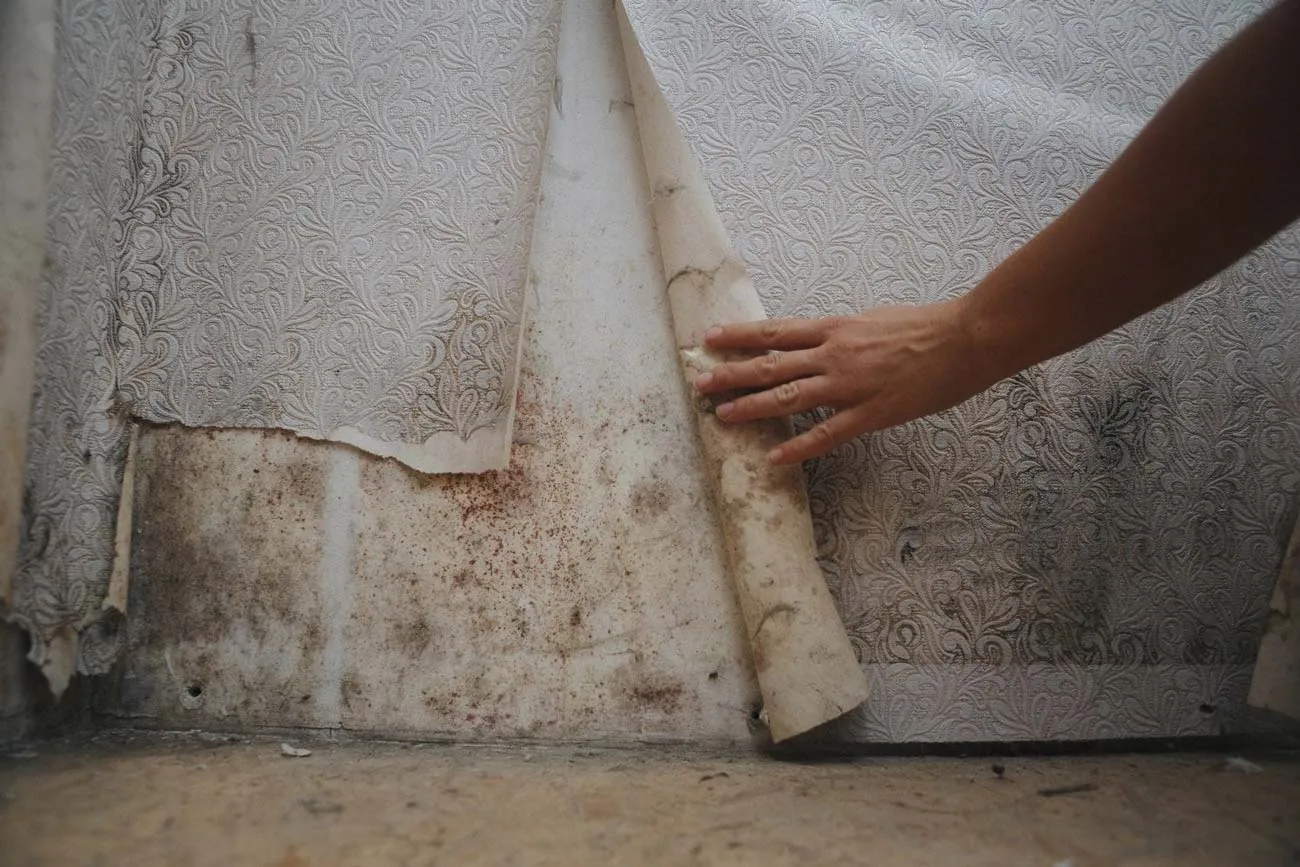
Black mold rarely announces itself. In Clermont, the dark, musty growth is usually well established behind the drywall before anyone notices it — tucked inside a wall cavity, above a closet ceiling, or hidden in the framing of a home that, from the street, still looks practically new. By the time a homeowner near Lake Minneola or in one of the newer subdivisions off Hancock Road calls us, the problem has often had months to spread in the dark.
Start your restoration
We’re on it.
A Paul Davis dispatcher will call you within minutes. Keep your phone nearby.
Need to talk now? Call us directly
Black Mold Remediation for Clermont and west Lake County
Serving Clermont and all of Lake County, FL.
That surprises a lot of people here, because Clermont is not a city of old houses. Much of it went up during the Orlando-spillover boom of the mid-2000s, and a brand-new home is the last place owners expect to find heavy mold growth. But new construction is exactly where this kind of moisture problem starts. Homes built fast and built tight trap humidity inside, and when an air-conditioning system is undersized for a great room with high ceilings — or never quite keeps up with the damp lake air rolling in off the Clermont Chain of Lakes — that moisture has to go somewhere. It settles into the wall assemblies and stays.
Paul Davis handles black mold the way the situation demands: full containment, the affected area sealed off and held under negative air pressure so spores can't drift into the rest of the house, then careful removal of the contaminated material and independent clearance testing to confirm the air is clean before we close anything back up. We work across Clermont and the surrounding South Lake County communities, from Minneola down through Groveland and Mascotte, and most calls get a same-day visit from our Belleview base.
Why Clermont homeowners call Paul Davis for black mold removal
Black mold isn't a job for a quick wipe-down and a spray bottle — done wrong, it spreads spores through the whole house. Clermont families call us because we contain the work, remove the contamination properly, and prove the air is clean before we leave. Here's what comes standard on every job.
- Certified restoration technicians on every job — not general laborers
- 60-minute emergency dispatch, 24/7/365
- Direct insurance billing with most major Florida carriers
- Thermal imaging and moisture mapping on every inspection
- Guaranteed workmanship
I had a pipe leak in my kitchen and they arrived within an hour to dry everything up. They worked with my insurance company and completed the repairs quickly and around my schedule.
What puts Clermont homes at risk
Every restoration job starts with understanding the local conditions that made it worse. These are the factors our crews see repeatedly across Clermont properties.
Tight, fast-built homes from the boom
So much of Clermont's housing went up quickly during the mid-2000s growth surge, and those tightly sealed building envelopes don't breathe the way older houses did. Humidity that gets inside has nowhere to escape, so it condenses in wall cavities and feeds mold in framing and drywall that may be less than twenty years old. We map the moisture with thermal imaging before we open a wall, so we're treating the source and not just the stain.
Undersized or struggling AC against lake humidity
An air conditioner does more than cool a Clermont home — it pulls moisture out of the air. When a system is undersized for a vaulted great room, or simply can't keep ahead of the damp air coming off the Chain of Lakes, indoor humidity creeps up and surfaces stay clammy enough for black mold to take hold. We trace those chronically damp zones and remediate them, then flag the conditions feeding the growth so it doesn't simply return.
Construction-phase moisture sealed inside the walls
During Clermont's rapid build-out, framing and drywall were sometimes closed up before they fully dried, and that trapped moisture can seed mold colonies that don't surface for years. By the time a musty smell reaches the living space, the growth is often deep in the assembly. We open the affected areas under containment, remove the colonized material, and verify with clearance testing that the cavity is genuinely clean.
Slope, lakes, and stormwater on rolling lots
Clermont's rolling hills and lakefront lots mean water doesn't always drain the way a builder's plan assumed, and heavy summer storms can push runoff toward foundations and into low-lying corners of a home. Persistent dampness along a slab edge or in a lower-grade room is a quiet invitation to black mold. We address both the visible growth and the wet conditions behind it, and connect repeat water intrusion to the right long-term fix.
What to expect, step by step
Certified restoration technicians on every job, direct insurance billing, and daily updates from first assessment through final walkthrough.
On-site inspection and moisture mapping
We walk the Clermont home, locate the growth, and use thermal imaging and moisture meters to find where damp is still feeding it — including inside walls and around AC equipment.
Containment and negative air pressure
Before anything is opened, we seal off the affected area and place it under negative air pressure so spores can't drift into clean parts of the house.
Air filtration and source control
HEPA air scrubbers run inside the containment, and we address the moisture source — the leak, the drain, the humidity problem — so removal isn't undone by the conditions that started it.
Removal of contaminated material
We remove the colonized drywall, trim, and other affected material, then HEPA-vacuum and clean the framing and remaining surfaces within the contained zone.
Independent clearance testing
Before we take down containment, third-party clearance testing confirms the air and surfaces meet standards — so you have proof the space is genuinely clean, not just a verbal all-clear.
Restoration and rebuild
With the area cleared, we rebuild what was removed — drywall, trim, paint — and leave your Clermont home put back together, not opened up.
In Depth — Clermont
Black Mold Removal in Clermont: What Property Owners Need to Know
Black mold in wall cavities and framing
Heavy, dark growth established inside wall assemblies and on structural framing where moisture has lingered.
In Clermont's tightly built newer homes, humidity that condenses inside a wall has nowhere to go, and black mold can colonize the back of drywall and the framing behind it long before anything shows on the surface. We open those areas under full containment, remove the affected material, and clearance-test the space before rebuilding.
Ceiling and closet growth from humidity
Dark mold spreading across ceiling drywall and inside closets where damp, stagnant air settles.
When an AC system can't keep up with the lake humidity that defines Clermont summers, the stillest spots in a home — closet ceilings, the corner of a vaulted great room — stay damp enough for black mold to take hold. We remediate the growth and identify the humidity source so the same ceiling doesn't darken again next season.
Mold around AC handlers and drain lines
Growth around air handlers, ductwork, and condensate lines where cooling equipment creates persistent moisture.
Clermont's homes lean hard on their air conditioning for months at a stretch, and an overflowing drain pan or a chronically sweating handler gives black mold a steady water supply right next to the air the house breathes. We remediate around the equipment under containment and verify the surrounding air is clean before the system goes back into full service.
Mold and Your Health
Black mold is worth taking seriously, especially when it's growing inside the walls of a home you breathe in every day. The musty odor many Clermont families notice first is a sign that spores are already circulating, and ongoing exposure can bring on coughing, congestion, irritated eyes, and headaches — often worse for children, older adults, and anyone with asthma or allergies. Because so much of it hides in wall cavities and around AC equipment, people are frequently exposed well before they ever see the growth. That's the real reason removal is about containment and clean air, not just scrubbing a visible patch.
Certification & Insurance
Our technicians follow IICRC standards for mold remediation, which is what dictates the containment, negative air pressure, and clearance testing on every black mold job we take in Clermont. Paul Davis operates as a licensed Florida general contractor, so the same team that removes the contamination can rebuild what comes out. We're also EPA Lead-Safe certified, which matters on any older structure where disturbing materials is part of the work.
What to tell us when you call
Four things that speed up your claim
Type of damage — general location in the home — whether the source is still active — whether the building is safe to enter. We handle everything else.
Commercial Property Restoration
Clermont's growth hasn't been residential only — the offices, medical suites, restaurants, and retail along the Highway 50 corridor and around the newer plazas face the same tight-envelope and AC-load realities that drive black mold in homes. We handle commercial remediation with containment planned around keeping your doors open where possible, clear communication, and clearance testing that satisfies tenants and inspectors alike.
From storefront to office suite, we keep Lake County businesses running while we make them safe again.
Why a newer Clermont home isn't immune
There's a common assumption in Clermont that mold is an old-house problem, something for the historic cottages in other Lake County towns rather than a five- or fifteen-year-old home in a planned subdivision. The truth is closer to the opposite. A modern, tightly sealed house holds humidity better than it lets it out, and when that's paired with an AC system fighting the warm, damp air off the lakes, the conditions for black mold are very much in place. We see it in homes all over the newer South Lake neighborhoods. If you've caught a recurring musty odor or watched moisture problems return after a quick fix, it's worth understanding the full picture in our Clermont mold remediation overview, and treating the cause rather than the surface stain.
When the mold started with water
A large share of the black mold we remove in Clermont traces back to water that was never fully dried — a slow supply-line drip under a sink, an overflowed AC drain pan, or storm runoff that found its way in on a sloped lot. Cleaning the surface mold without resolving the moisture only resets the clock. That's why our mold work and our water damage restoration in Clermont go hand in hand: we dry the structure properly, repair what let the water in, and then remediate the growth so it doesn't come back through the same wall. If you're weighing options, our overview of professional mold remediation walks through how containment and clearance testing actually protect the rest of your home.
Disaster doesn’t wait.
Neither do we.
Black mold paired with active water — a burst line, an overflowing handler — won't wait, and neither do we. Our crews run 24/7/365, and most Clermont calls get a same-day visit from our Belleview base so we can stop the moisture, set up containment early, and keep spores from spreading while the full plan comes together. The faster we get there, the smaller the affected area usually stays.
Florida Emergency Hotline — 24 hours a day
Request a Free Estimate →Local department contacts
After major damage in Clermont, you may need to reach a local department — the building office for permits and structural inspections, the health department for mold or contamination questions, or fire-rescue for a fire-damage assessment. Here are the offices serving Clermont. Paul Davis is always one call away and can help you navigate the process.
Building Department
City of Clermont Building Services
685 W Montrose St, Clermont, FL 34711
(352) 241-7315Health Department
Florida Dept of Health — Lake County
2113 Griffin Rd, Leesburg, FL 34748
(352) 589-6424Contact information is accurate to the best of our knowledge at time of publication. Paul Davis Restoration is not responsible for changes to agency contact information, hours, or services. For the most current information please contact the agency directly.
Frequently asked questions
It's more common than people expect. Many Clermont homes were built fast and built tight during the mid-2000s boom, and those sealed envelopes trap humidity inside. Paired with AC systems working hard against the damp air off the Chain of Lakes, that moisture condenses in wall cavities and feeds mold in framing that may be well under twenty years old.
We'd strongly advise against it. Wiping or spraying visible black mold disturbs it and releases spores that spread through the rest of the house, and it does nothing about the growth inside the wall or the moisture feeding it. Proper removal means containment, negative air pressure, and clearance testing — not a surface cleanup.
Most Clermont calls get a same-day visit from our Belleview base, and our emergency crews are available around the clock. If there's active water involved, getting there quickly is what keeps the affected area — and the cost — from growing.
Yes. Alongside Clermont we work throughout South Lake County, including Minneola, Groveland, and Mascotte. The newer, humidity-prone housing and the same lake-air conditions show up across all of these communities, and we remediate them the same careful way.
It often depends on what caused it — mold from a sudden, covered water event is treated very differently from long-term humidity. We bill most major Florida carriers directly and document the moisture source thoroughly, which gives your claim the best footing. We'll walk you through what we're seeing before any work begins.
Found black mold in your Clermont home?
If you've spotted dark growth or can't shake a musty smell, don't disturb it — that only spreads spores. Call Paul Davis and we'll inspect it, contain it properly, and prove it's gone with clearance testing before we close the wall back up.