
Fire & Smoke Odor Elimination
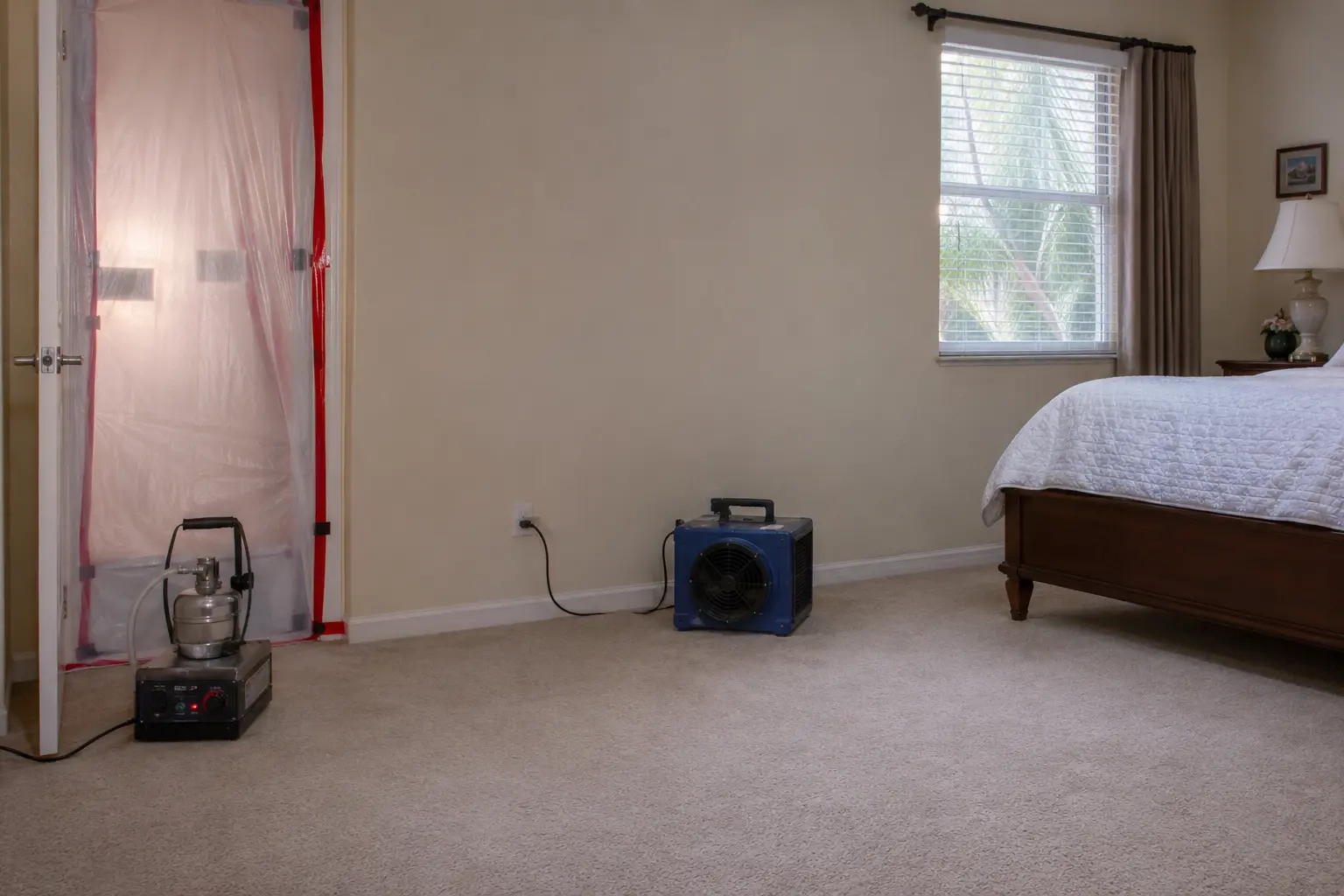
Fire odor removal in Marion, Sumter & Lake Counties, FL. Paul Davis uses thermal fogging, HEPA air scrubbing, and smoke type assessment to eliminate smoke odor throughout the entire structure.
Odor Removal in our primary service areas
Select a hub city to see local risk factors, the restoration process, and response times. Additional communities coming soon.
Fire Odor Elimination — Smoke Type Assessment Before Any Cleaning
Smoke odor after a fire in a Marion, Sumter, or Lake County home requires more than surface cleaning — smoke molecules penetrate porous materials, wall cavities, HVAC systems, and soft furnishings throughout the entire structure. Effective fire odor removal requires identifying the specific type of smoke produced (dry smoke, wet smoke, or protein smoke), applying the appropriate neutralization protocol to every contaminated surface, and decontaminating the HVAC system that distributed smoke throughout the home during the fire. Paul Davis fire odor removal uses thermal fogging, HEPA air scrubbing, and surface-specific cleaning protocols to eliminate smoke odor throughout the structure — not just in the room where the fire occurred.
Fire odor removal is technically demanding because different fire types produce different smoke residue that requires different treatment. Dry smoke from fast-burning fires, wet smoke from slow smoldering fires, and protein smoke from kitchen fires each leave distinct residue types — and applying the wrong cleaning protocol can permanently set the odor into porous surfaces rather than remove it. Paul Davis smoke odor removal begins with smoke type assessment before any cleaning starts, ensuring the correct protocol is applied to every affected surface and that odor is genuinely eliminated rather than temporarily masked.
Why homeowners choose Paul Davis
- Smoke type assessment (dry/wet/protein) before any cleaning begins
- Thermal fogging for deep odor penetration in porous materials
- HEPA air scrubbing throughout the structure
- HVAC system and ductwork decontamination
- Surface-specific cleaning protocols — not one-size-fits-all
How Odor Removal works, step by step
Certified restoration technicians on every job, direct insurance billing, and daily updates from first assessment through final walkthrough.
Smoke Type Identification
Assess whether the fire produced dry smoke, wet smoke, or protein smoke — each type requires a different cleaning protocol. Applying the wrong method sets odor permanently into surfaces.
HEPA Air Filtration Setup
Industrial HEPA air scrubbers are deployed throughout the affected area to remove airborne smoke particles and reduce overall smoke concentration before surface cleaning begins.
Thermal Fogging Treatment
Thermal fogging penetrates porous materials, wall cavities, and soft furnishings to neutralize smoke molecules at the same depth the smoke originally reached — addressing odor that surface cleaning cannot reach.
Surface-Specific Cleaning
Each surface type — hard surfaces, porous materials, fabrics, and contents — receives the appropriate smoke residue removal protocol based on the smoke type and material composition.
HVAC System Decontamination
Supply and return ducts, coils, and drain pans are cleaned to remove smoke residue deposited during the fire — preventing recontamination of clean surfaces when the system runs.
Odor Clearance Assessment
Post-treatment assessment confirms smoke odor has been eliminated rather than masked — the property is cleared before reconstruction or re-occupancy.
Frequently asked questions
Smoke molecules penetrate porous materials, wall cavities, and the HVAC system during the fire. Surface cleaning removes visible residue but doesn't reach embedded odor compounds — thermal fogging and HEPA scrubbing are required to neutralize odor at depth.
Yes — smoke type (dry, wet, or protein) is assessed first because each type requires a different cleaning protocol. Using the wrong method can permanently set the odor into porous surfaces.
Yes — the HVAC system distributes smoke throughout the home during a fire and must be decontaminated as part of complete odor removal. Running a smoke-contaminated HVAC system recontaminates cleaned surfaces.
Timeline varies by fire size and smoke distribution. Paul Davis completes a thorough assessment at the start of each job and provides a specific timeline based on the actual scope of smoke contamination.
Part of our
Fire & Smoke Damage Restoration →Smoke Odor After a Fire? Call Paul Davis.
Paul Davis provides complete fire odor removal in Marion, Sumter, and Lake Counties — smoke type assessment, thermal fogging, HEPA air scrubbing, HVAC decontamination, and clearance confirmation. Call now.