
24/7 Emergency Service
Storm Damage Restoration — Marion, Sumter & Lake Counties
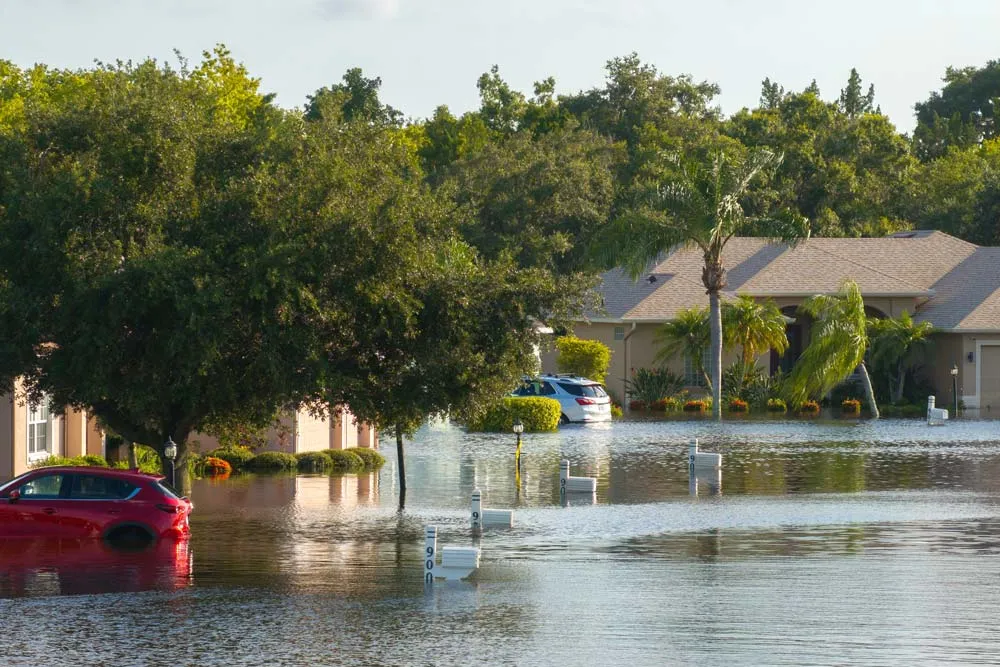
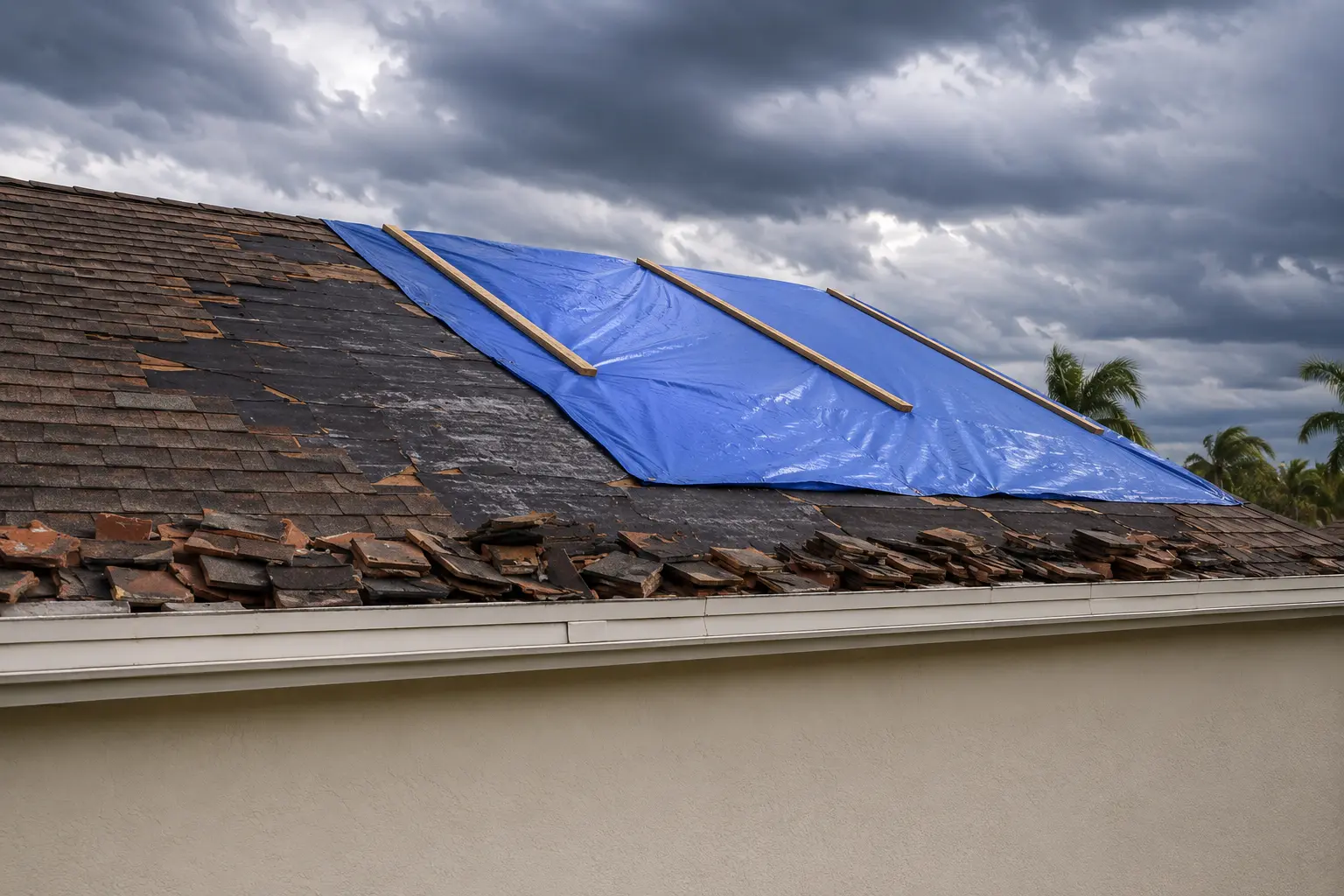
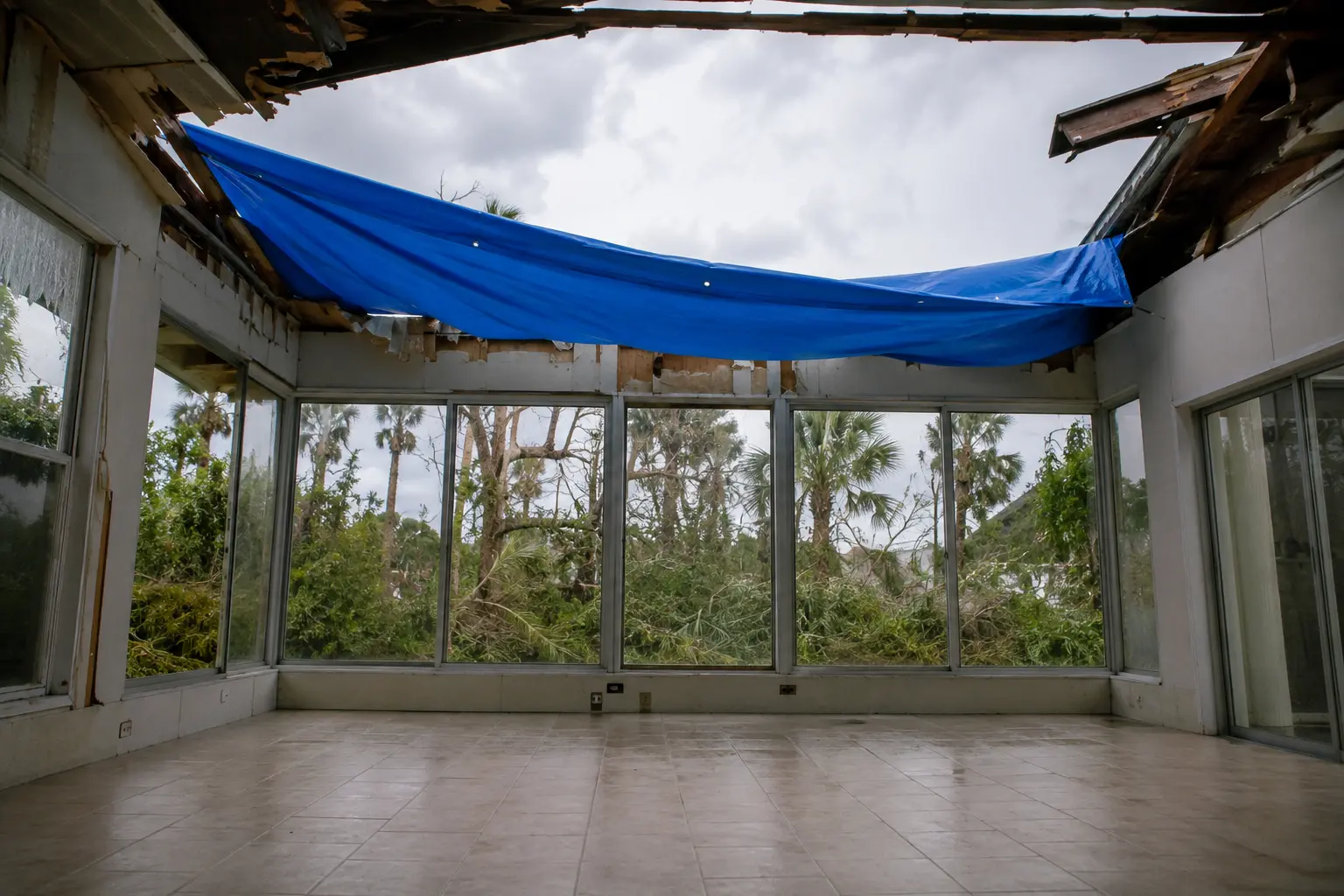
Hurricanes, tropical storms, and severe weather leave behind complex damage — roof failures, flooding, falling trees, and more. Paul Davis coordinates the full recovery, from emergency tarping to complete reconstruction.
7 specialties · Marion, Sumter & Lake Counties
Storm Damage Services We Provide
From hurricane flooding to hail impact — Florida storms cause damage that demands the right response.
A hurricane tears roofing and floods interiors. Hail punches through screens and siding. Wind brings down trees. Each storm type leaves a different damage pattern — and Florida sees all of them. Choose the type that matches what happened on your property. Each page covers the restoration sequence, what to document for insurance, and response times from our nearest team.
24/7 Emergency Service
35 Years of Storm Response in Marion, Sumter & Lake Counties — We Know What Is Coming
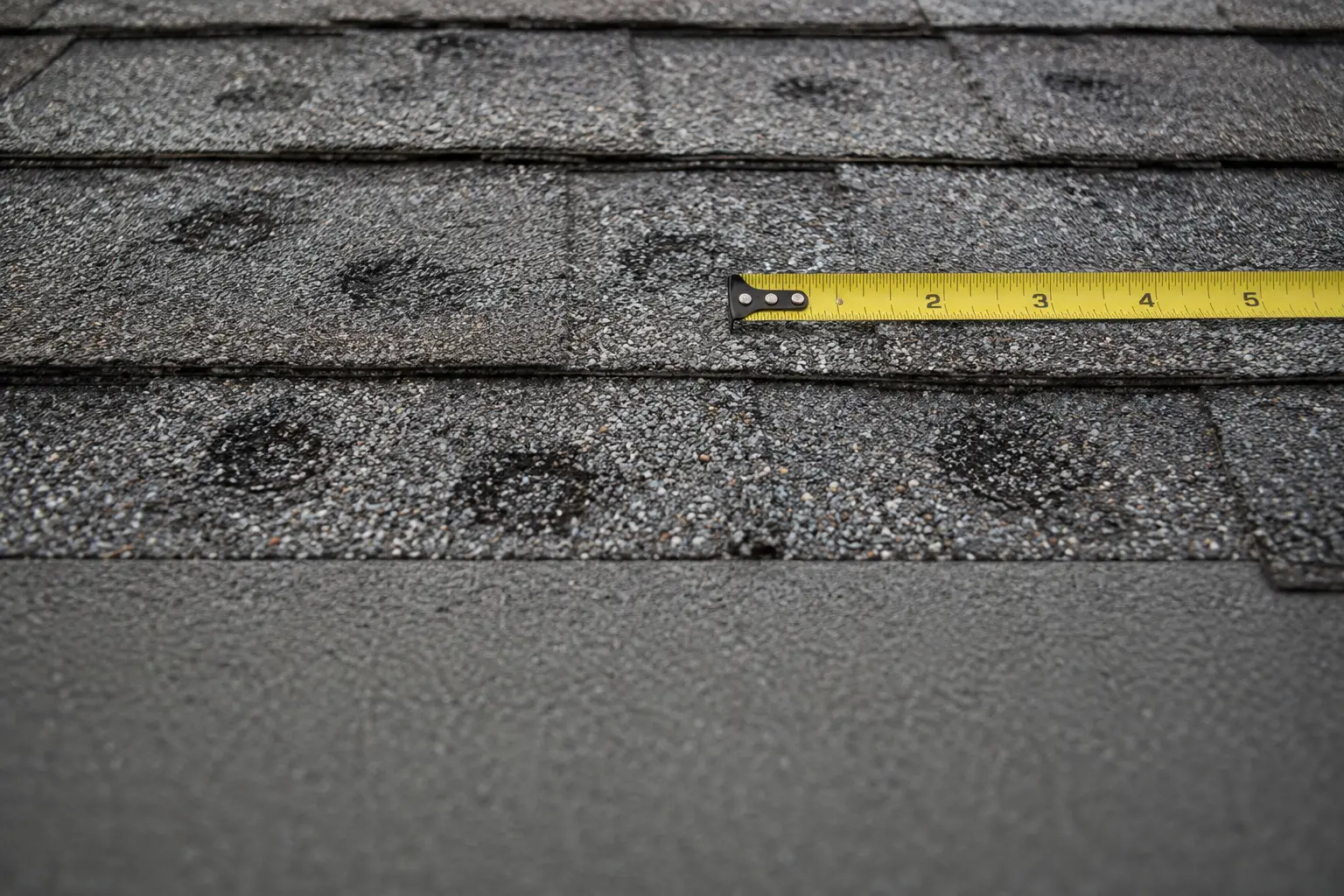
Paul Davis provides emergency and full-scope storm damage restoration for every weather event type common to Marion, Sumter and Lake Counties: hurricane and tropical storm wind damage including roof system failures, soffit and fascia loss, and wall breaches; wind-driven rain intrusion through damaged roofing and broken windows; hail impact damage to roofing, gutters, siding, and HVAC equipment; tornado and microburst structural damage; lightning-strike fires and electrical system damage; flash flooding and storm surge inundation; fallen trees and large debris impact on roofs, walls, and outbuildings; and prolonged power outage losses including sump pump failures. We respond to individual homes, multi-unit residential, commercial properties, and large-loss events requiring coordinated multi-crew deployment.
Marion, Sumter and Lake Counties are among the most storm-exposed regions in the United States by virtually every metric. Florida hurricane season runs June through November, and this region sits in the cone of concern for Atlantic and Gulf storms that make landfall on either coast before crossing the peninsula. The area averages more lightning strikes per square mile than anywhere else in the country, and the nearly daily summer thunderstorm cycle means significant wind and hail events occur dozens of times each year. Homes in Ocala, The Villages, Leesburg, and Clermont built prior to the 2004 hurricane code revisions are particularly exposed to roof-to-wall connection failures during high-wind events. The karst limestone substrate also means drainage is unpredictable — stormwater can pool against foundation walls and enter through block-wall construction in ways that are not immediately obvious. Secondary mold growth follows within 24 to 48 hours if water intrusion is not addressed. We have been responding to storm losses in this geography for more than 35 years.
24/7 Emergency Response
Why homeowners choose Paul Davis
- 60-minute emergency dispatch, 24/7/365 — available during and immediately after storm events when losses are most time-sensitive
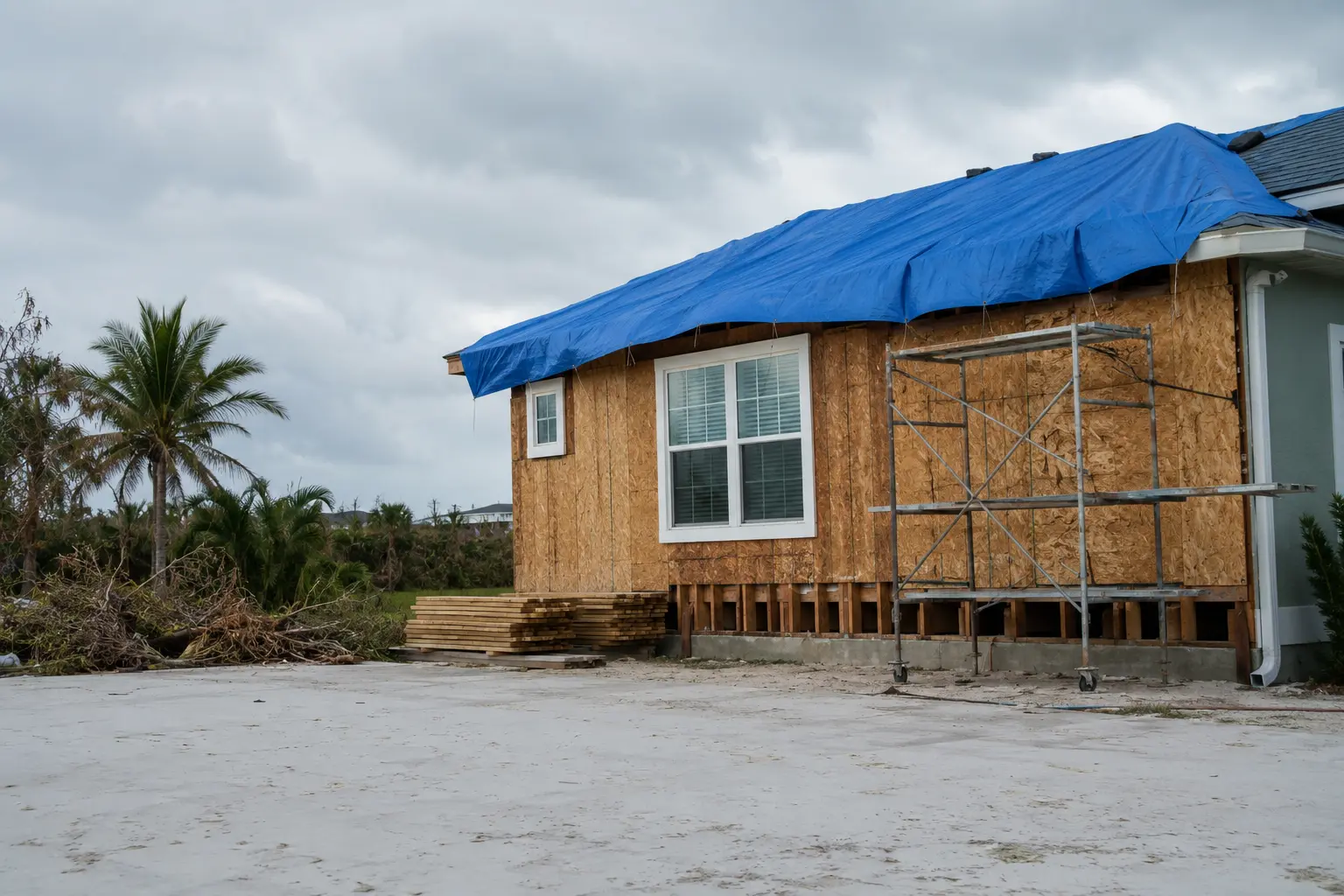
- Emergency tarping, board-up, and structural stabilization to stop secondary water intrusion the same day
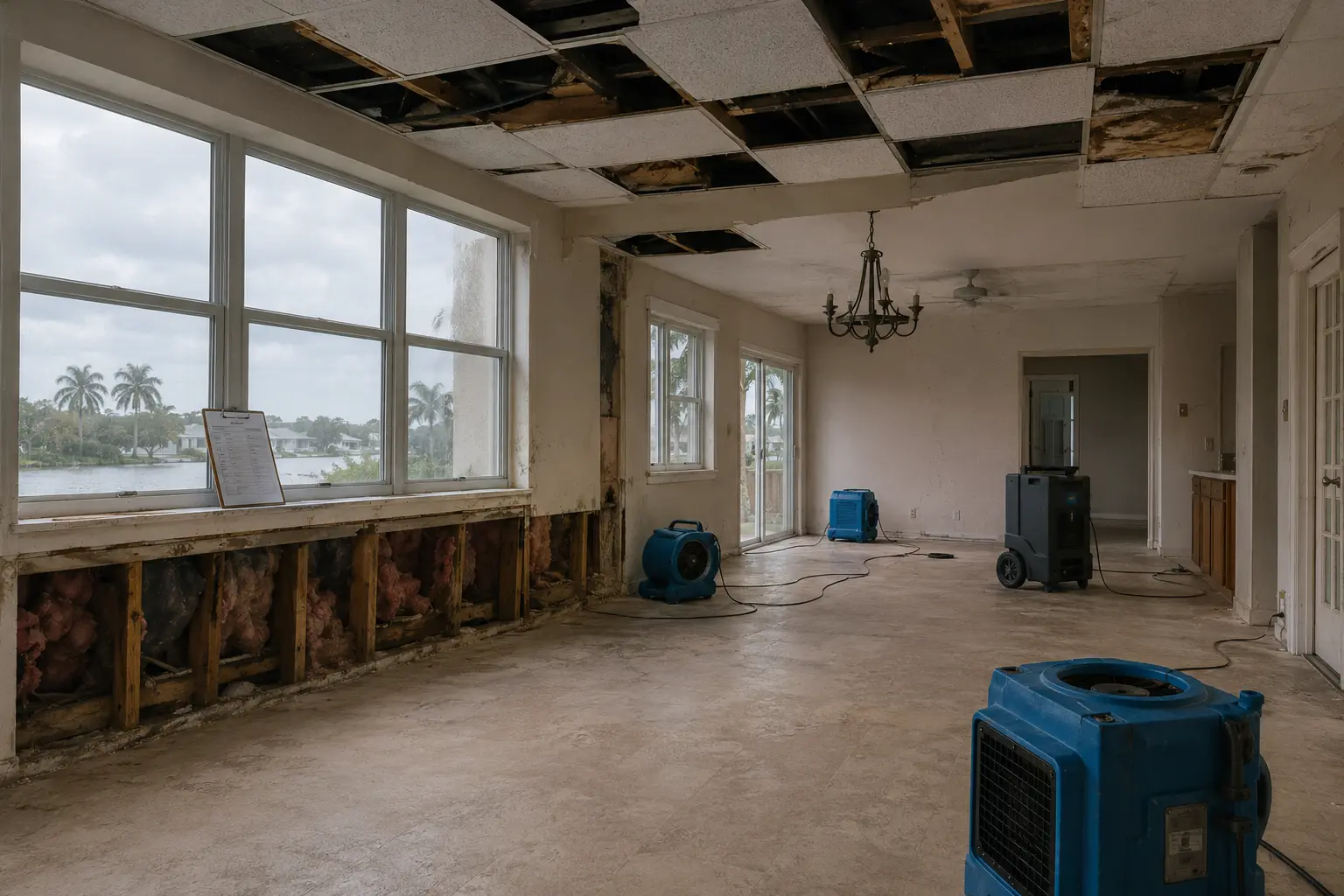
- Certified water damage and structural drying crews deploy simultaneously with storm debris assessment teams
- Direct insurance billing and claims documentation — we photograph, scope, and submit; you do not fight the adjuster alone
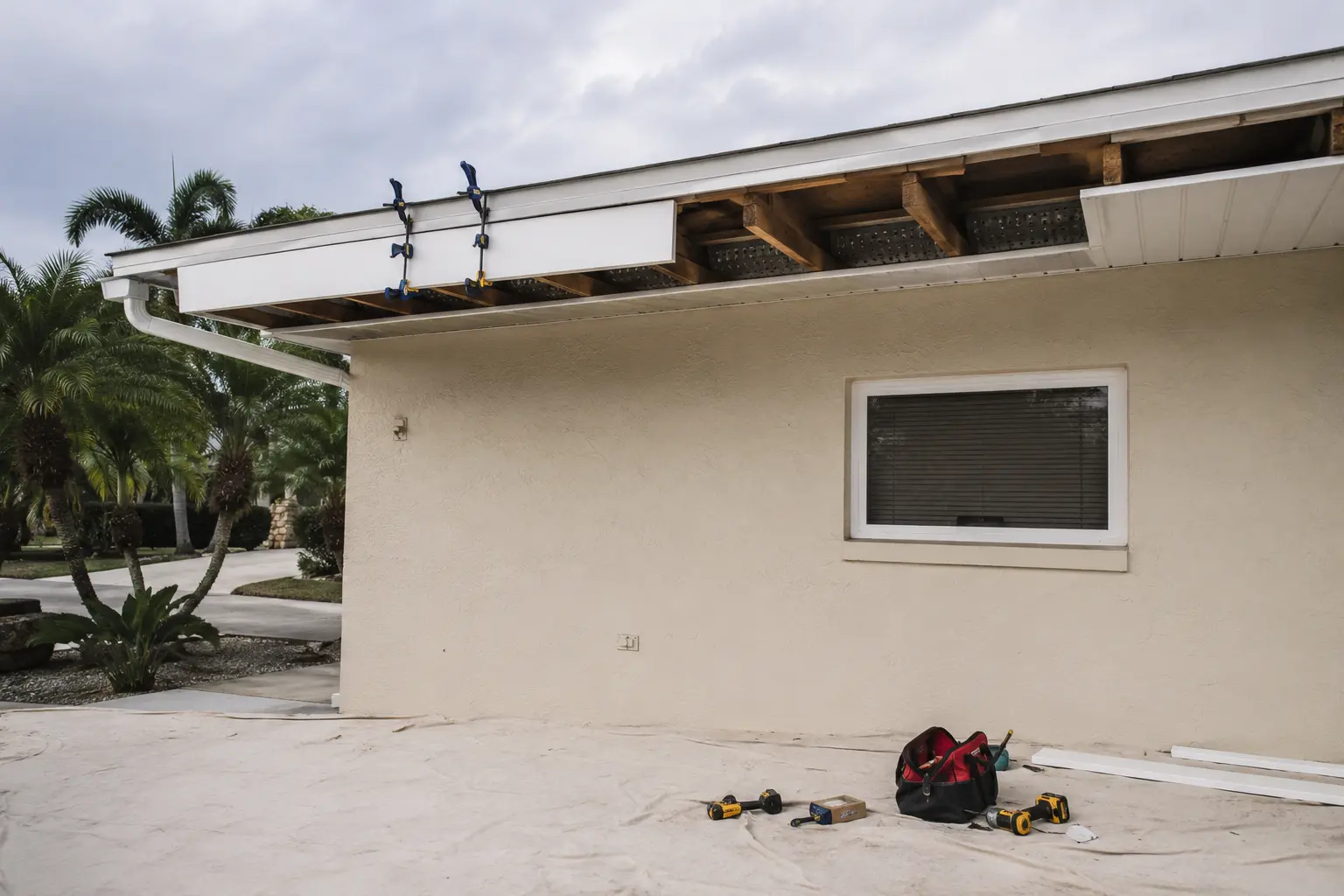
- Full-service reconstruction capability: from emergency tarp to finished roof, siding, windows, and interior — one contractor, no coordination gaps
Emergency tarping & board-up
Tree & debris removal
Roof damage repair
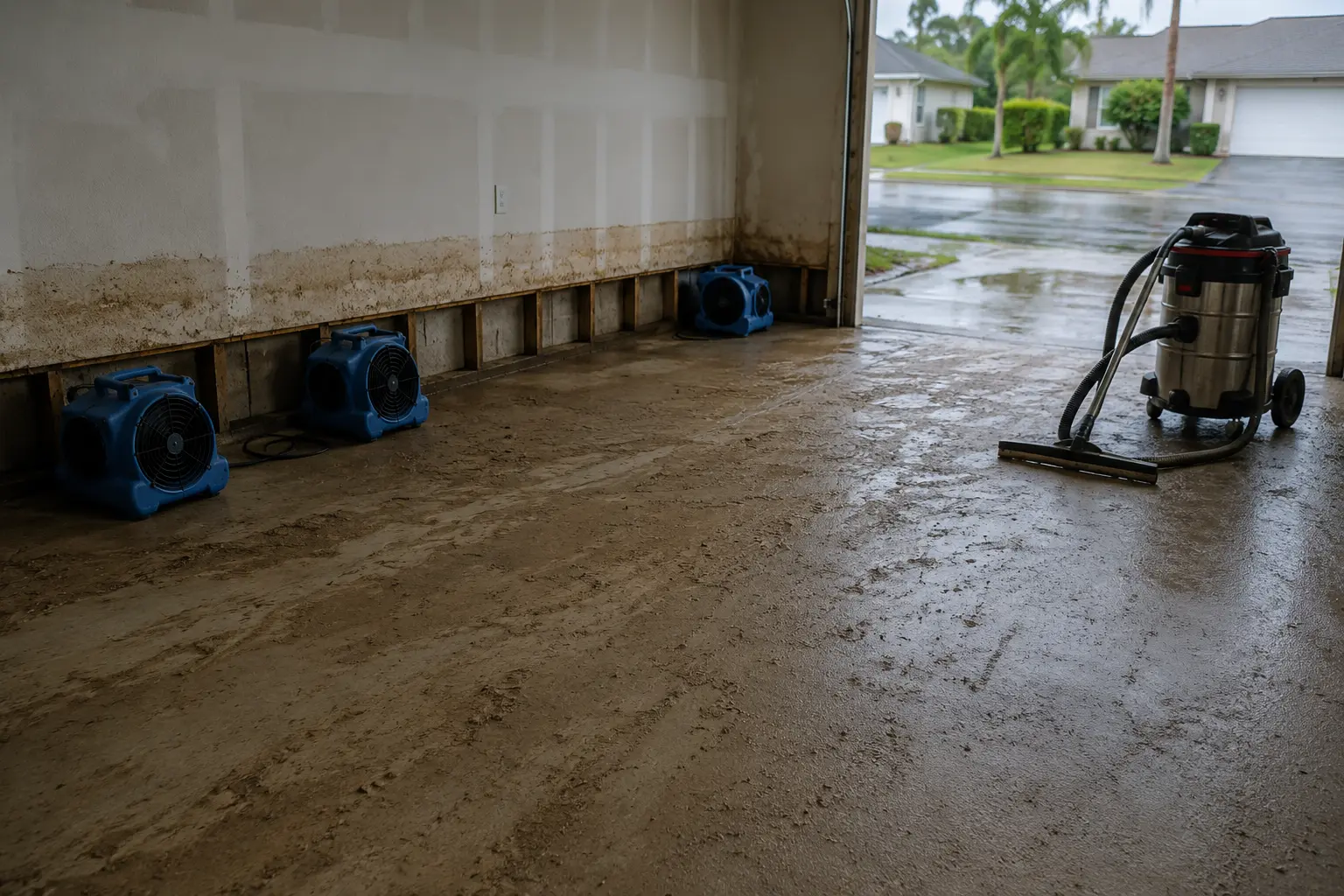
Flood water extraction
Contents protection
Full reconstruction
Our Process
What to expect, step by step
Certified restoration technicians on every job, direct insurance billing, and daily updates from first assessment through final walkthrough.
1
Emergency Mitigation
We tarp roofs, board windows, and secure your property.
2
Damage Assessment
Full documentation supports your insurance claim.
3
Water Extraction
Storm flood water is removed with industrial equipment.
4
Debris Removal
Trees, structural debris, and damaged materials are cleared.
5
Drying
Structural drying prevents secondary mold damage.
6
Reconstruction
We rebuild from roof to interior to pre-storm condition.
Understanding Storm Damage Restoration
What you need to know about storm damage restoration
Most homeowners encounter storm damage restoration for the first time without any preparation. Understanding what happens to your property — and why professional intervention matters — helps you make better decisions in a stressful moment.
Property damage is not a single event — it is a process. The damage visible at the moment of the incident is rarely the final state. Without professional intervention, secondary damage continues to compound: water spreads through wall cavities and subfloors, smoke residue bonds to surfaces, mold establishes colonies in hidden spaces.
The restoration timeline is not just about convenience. Insurance policies distinguish between damage caused by the original event and damage caused by delayed action or inadequate response. A professional, documented response creates a clear record that protects your claim and limits your out-of-pocket exposure.
0–24hMold can begin to colonize
72hStructural materials saturate
60 minOur dispatch target
As a certified restoration company, we follow specific industry protocols for storm damage restoration — protocols developed from decades of documented outcomes. These standards exist because they produce better results: lower total restoration cost, shorter disruption to your home, and lower long-term risk of secondary problems.
What certification means for you
Certified restoration work protects your insurance claim
Insurance adjusters recognize IICRC standards. Documentation from certified technicians carries weight in the claims process in a way that DIY documentation simply cannot.
Insurance & Claims
How insurance works for this type of damage
Most homeowner policies cover sudden and accidental losses — a burst pipe, storm impact, or fire. They typically exclude gradual damage, deferred maintenance, and flood damage (which requires a separate NFIP or private flood policy).
Paul Davis works directly with most major Florida carriers: State Farm, Allstate, Citizens, Universal Property, and others. We provide Xactimate estimates, complete photo documentation, moisture logs, and drying reports — everything your adjuster needs to process the claim efficiently.
Our insurance coordination process means you don't need to be the intermediary between us and your carrier. We communicate directly, we know what adjusters need, and we advocate for a thorough scope so that the repair addresses the full extent of the damage — not just what's visible on the surface.
"Paul Davis provided the quality of work, materials, equipment and most importantly, the compassion and consideration to repair my home to like new condition and I am forever very grateful to them." — Peggy Peaslee, Verified Google Review ★★★★★
Know Your Options
DIY versus professional restoration
Consumer-grade equipment operates at a fundamentally different scale than professional restoration gear. Understanding the difference explains why DIY attempts often fail — and why they can make the final restoration more expensive.
DIY Approach
-
Shop vac & box fans
Move surface water but cannot dry wall cavities or subfloors
-
Household dehumidifier
Removes 30–50 pints/day — inadequate for structural drying
-
No moisture mapping
Hidden wet areas go undetected and produce mold
-
No documentation
Insurance claims lack evidence adjusters require
-
No protocol compliance
May void insurance or create liability for secondary damage
Paul Davis Restoration
-
Industrial air movers
100–150 CFM per unit — 10× consumer fan output
-
LGR dehumidifiers
130+ pints/day — achieves structural drying goals
-
Thermal imaging & moisture meters
Maps every wet zone, verifies drying is complete
-
Xactimate documentation
Industry-standard reports your insurer accepts
-
IICRC protocol compliance
Certifies the work and protects your claim
How We Work
From your first call to final walkthrough
Every Paul Davis job follows a documented process. You know what's happening, why, and what comes next — from the moment you call to the day we close out the project.
01
Emergency Dispatch
You call. We aim to dispatch within 60 minutes, 24 hours a day. A certified technician arrives with the equipment needed to begin mitigation immediately — we do not send an estimator first.
02
Assessment & Documentation
We conduct a full assessment using thermal imaging and moisture mapping. We document everything photographically and create a detailed scope of work before any restoration begins.
03
Insurance Coordination
We contact your carrier, provide our documentation, and work directly with the adjuster on the scope and estimate. You are not the intermediary — we handle it.
04
Mitigation & Drying
Industrial equipment is deployed to stop ongoing damage. We monitor drying progress daily using moisture readings and adjust equipment placement to meet drying goals.
05
Restoration & Rebuild
Once mitigation is complete, we coordinate or perform the reconstruction phase — returning your property to pre-loss condition or better.
06
Final Walkthrough
We walk through the completed project with you, review the documentation package, and confirm everything meets your expectations before closing out the job.
Common Questions
Frequently asked questions
First, ensure everyone is safe and avoid damaged areas. Then call us — we dispatch within 60 minutes. Do not attempt to enter a structure with compromised roof or wall integrity. Document damage with photos before any cleanup if it is safe to do so, but do not delay calling for help waiting to document.
We monitor weather events in Marion, Sumter and Lake Counties and pre-position resources before and during major storms. We scale up response capacity for large weather events. If call volume is high, leave a message and we will reach you within the hour.
Yes. We coordinate directly with your adjuster, provide complete Xactimate estimates and photo documentation, and advocate for a full and fair scope. Most storm claims involve more damage than is visible on the surface — we inspect thoroughly and document everything.
Emergency tarping is typically completed the same day as your initial call. We prioritize weatherproofing first to stop ongoing water intrusion, then assess the full scope of damage for the insurance claim and restoration plan.
Emergency stabilization happens within 24 hours. Water extraction and drying takes 3 to 5 days. Structural repairs and reconstruction depend on the scope — minor damage may complete in 1 to 2 weeks, while major roof or structural losses can take 4 to 8 weeks. We give you a specific timeline after the initial assessment.
We handle full tree and debris impact restoration including emergency stabilization, structural assessment, debris removal coordination, roof and wall repair, and interior restoration for any water damage that entered through the breach. We manage the complete scope so you have one point of contact.
Windstorm and hurricane damage is covered under most Florida homeowner policies, though flood damage typically requires separate NFIP or private flood coverage. We review the cause of loss with you and document it accurately for your carrier. Citizens, Universal Property, and most major Florida carriers are familiar to our team.
We serve all of Marion, Sumter, and Lake Counties including Ocala, The Villages, Leesburg, Clermont, and all surrounding communities. Marion and Lake Counties sit in the highest lightning-strike frequency zone in the United States — storm response is a year-round service for us, not seasonal.
Storm Damage Restoration — Local Coverage
Storm Damage in our primary service areas
Each link below takes you to a dedicated page covering local risk factors, response times, and the full restoration process specific to that community.
Storm Damage Gets Worse Every Hour It Sits Open — Call Now
An unprotected roof breach in Florida's humidity becomes a mold problem within 24 hours. A compromised wall from wind-driven rain becomes a structural problem within days. Do not wait for the adjuster's first available appointment. Call Paul Davis of Marion, Sumter & Lake Counties immediately after the storm passes — our crews are staged and ready during every named storm event, and we dispatch within 60 minutes around the clock. We will protect your property first and handle the insurance from there.