
Specialty Restoration
Mold Remediation — Marion, Sumter & Lake Counties
Mold is more than an eyesore — it is a health hazard. Our certified mold remediation specialists locate the moisture source, contain the affected area, safely remove all mold growth, and provide post-remediation verification.
6 specialties · Marion, Sumter & Lake Counties
Mold Services We Provide
From surface growth to hidden colonies behind walls — mold does not wait, and neither do we.
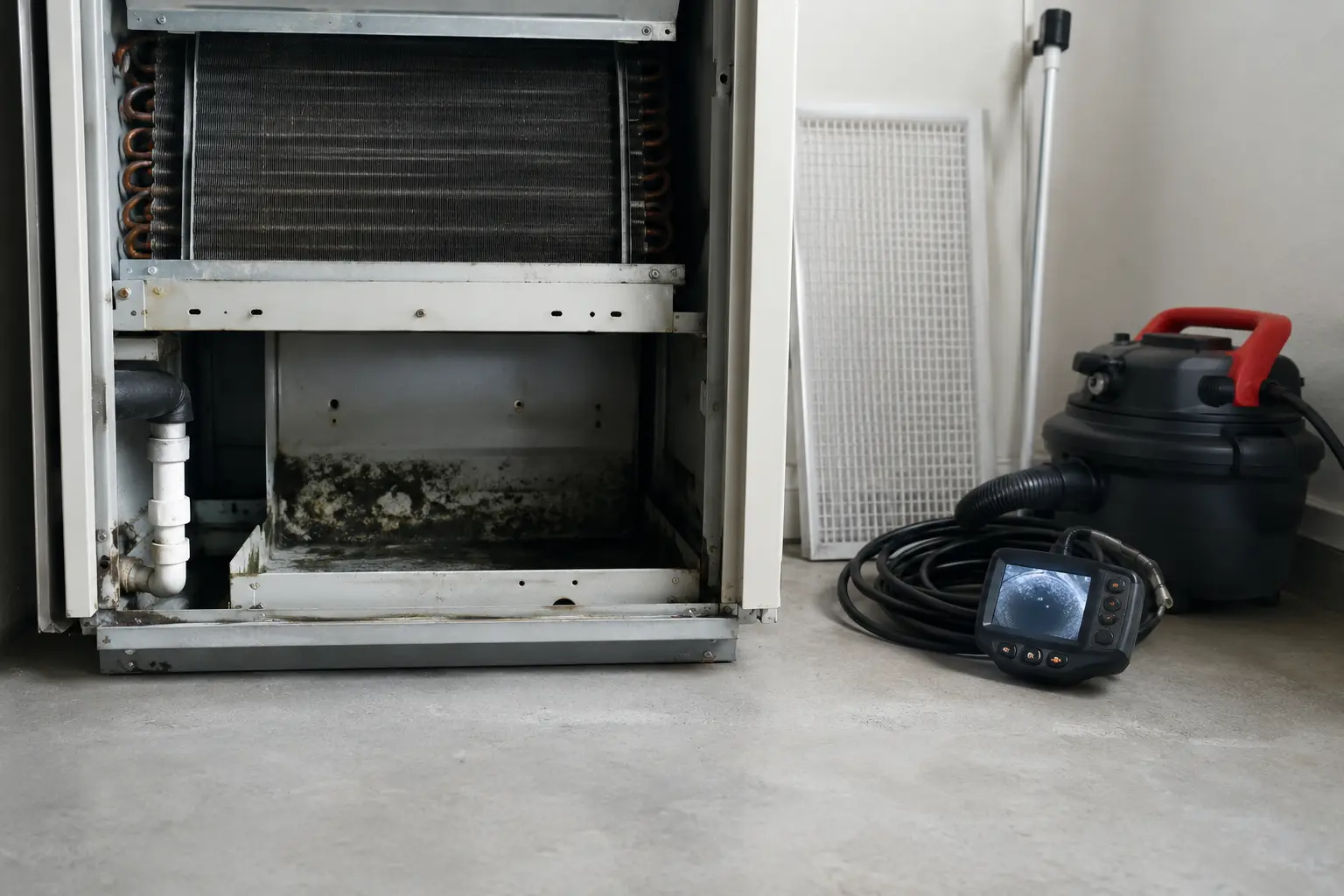
Black mold growing on drywall, mold spreading through attic insulation, and a contaminated HVAC system each need a different remediation approach. Florida humidity makes every one of these scenarios more likely than almost anywhere else in the country. Each service below covers the specific protocols we use, what containment looks like, and links to your nearest city so you know who handles your job.
Specialty Restoration
Certified Mold Remediation — Finding the Mold You Cannot See
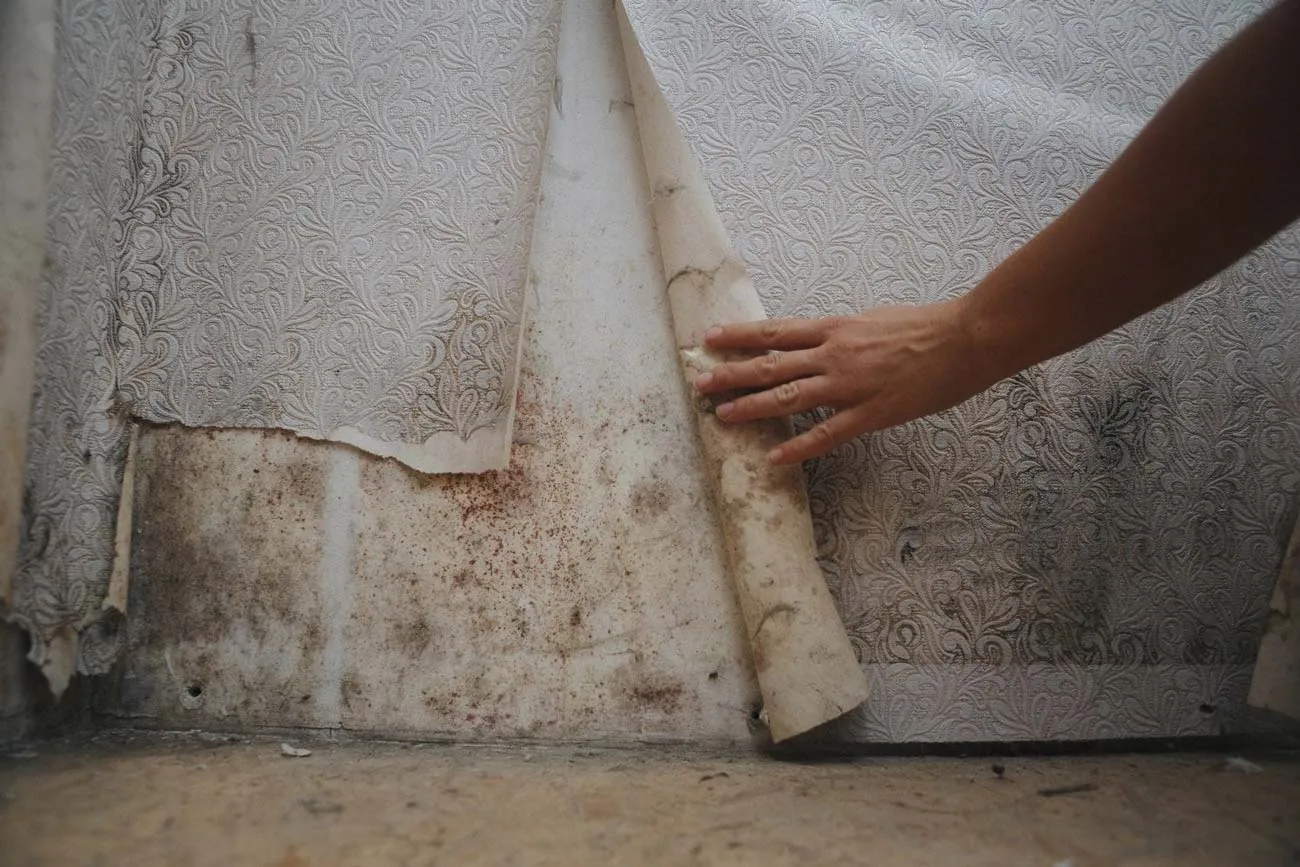
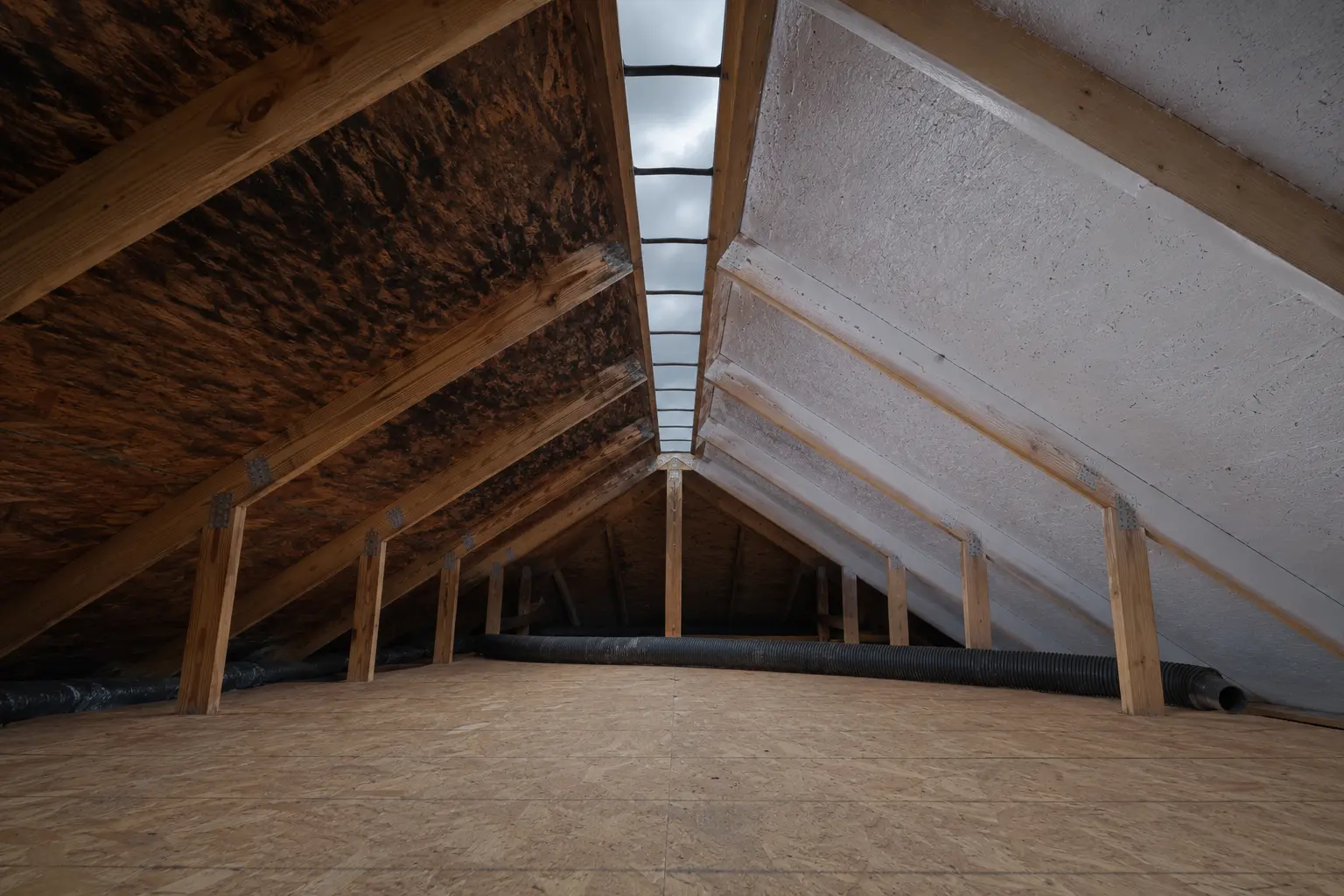
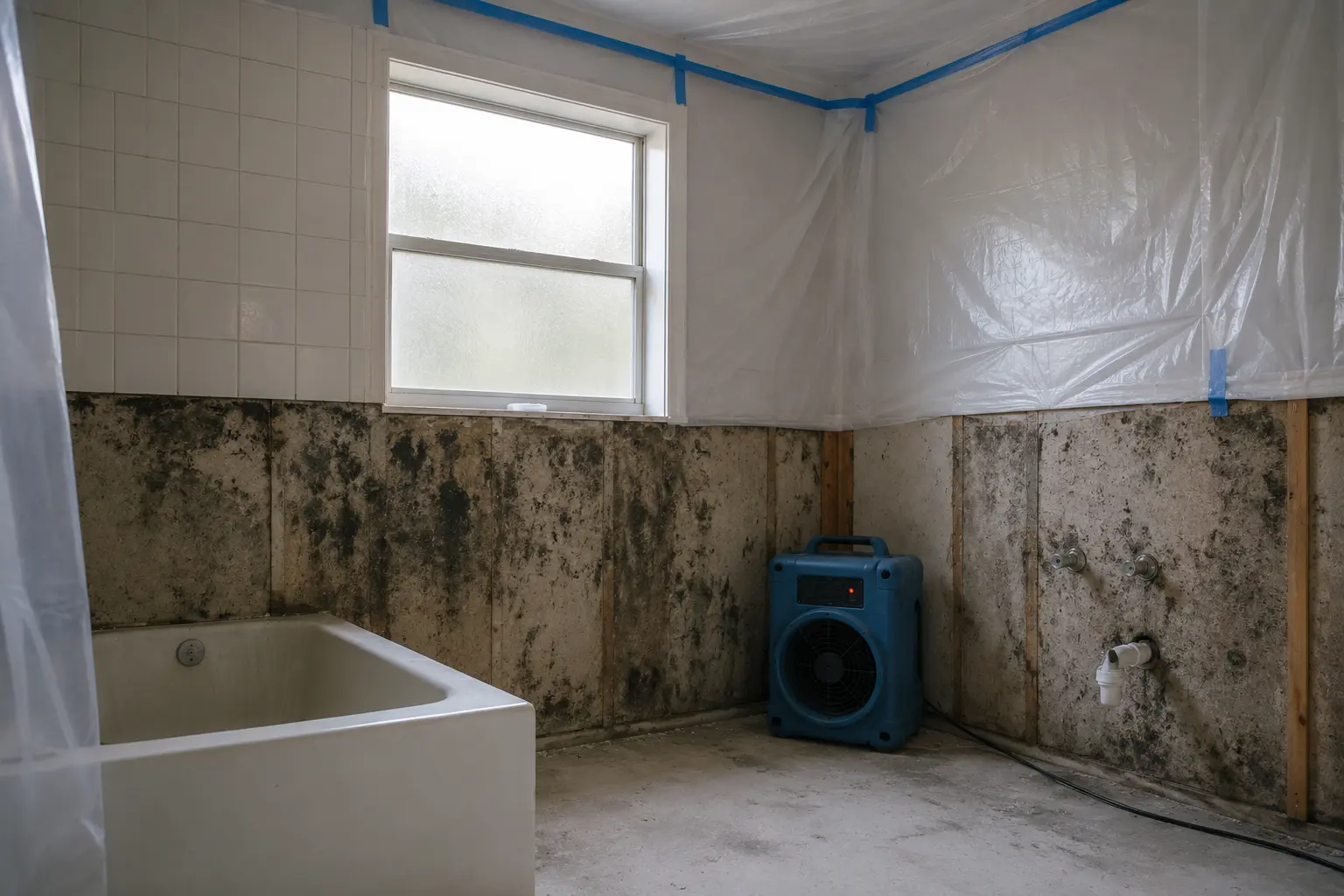
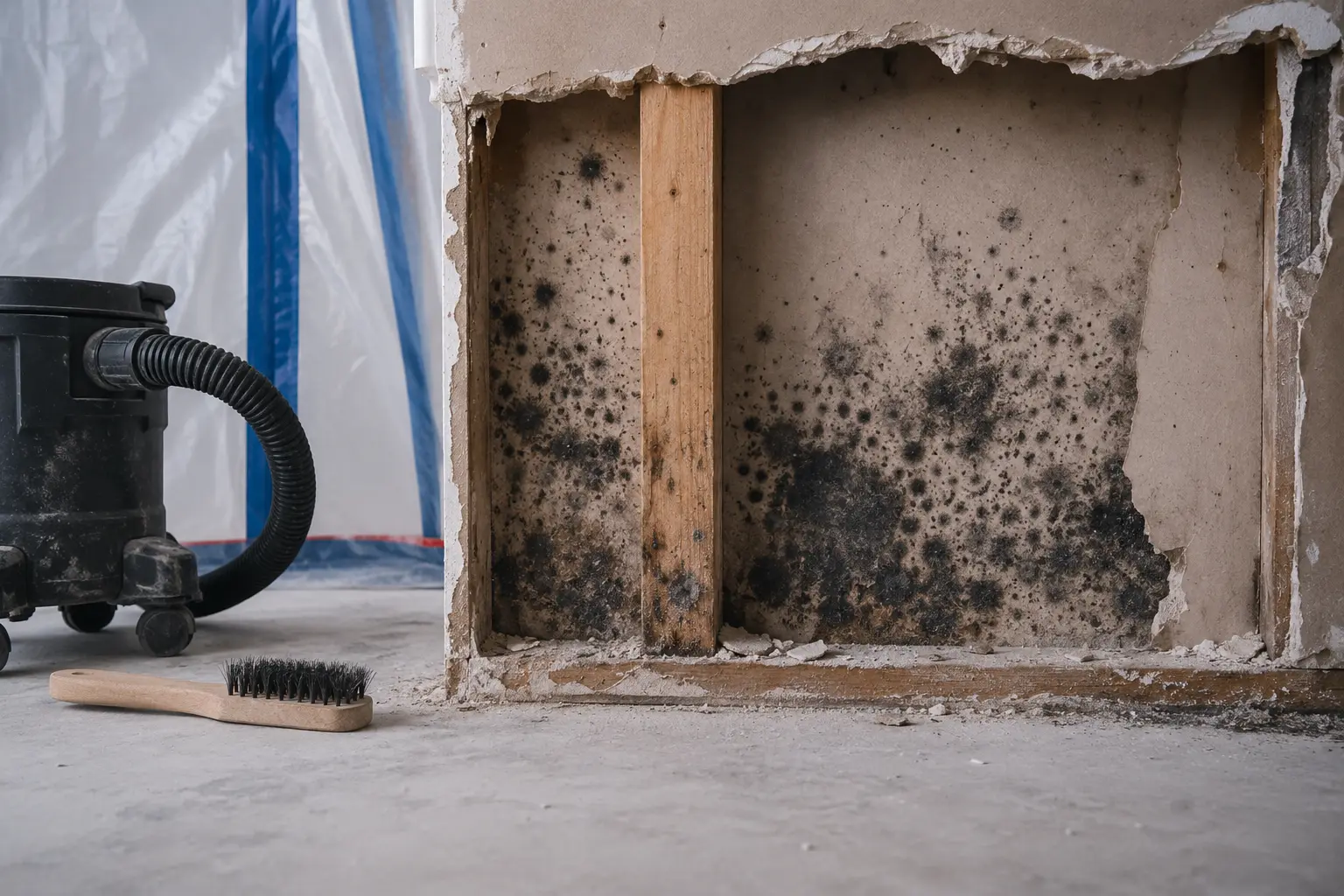
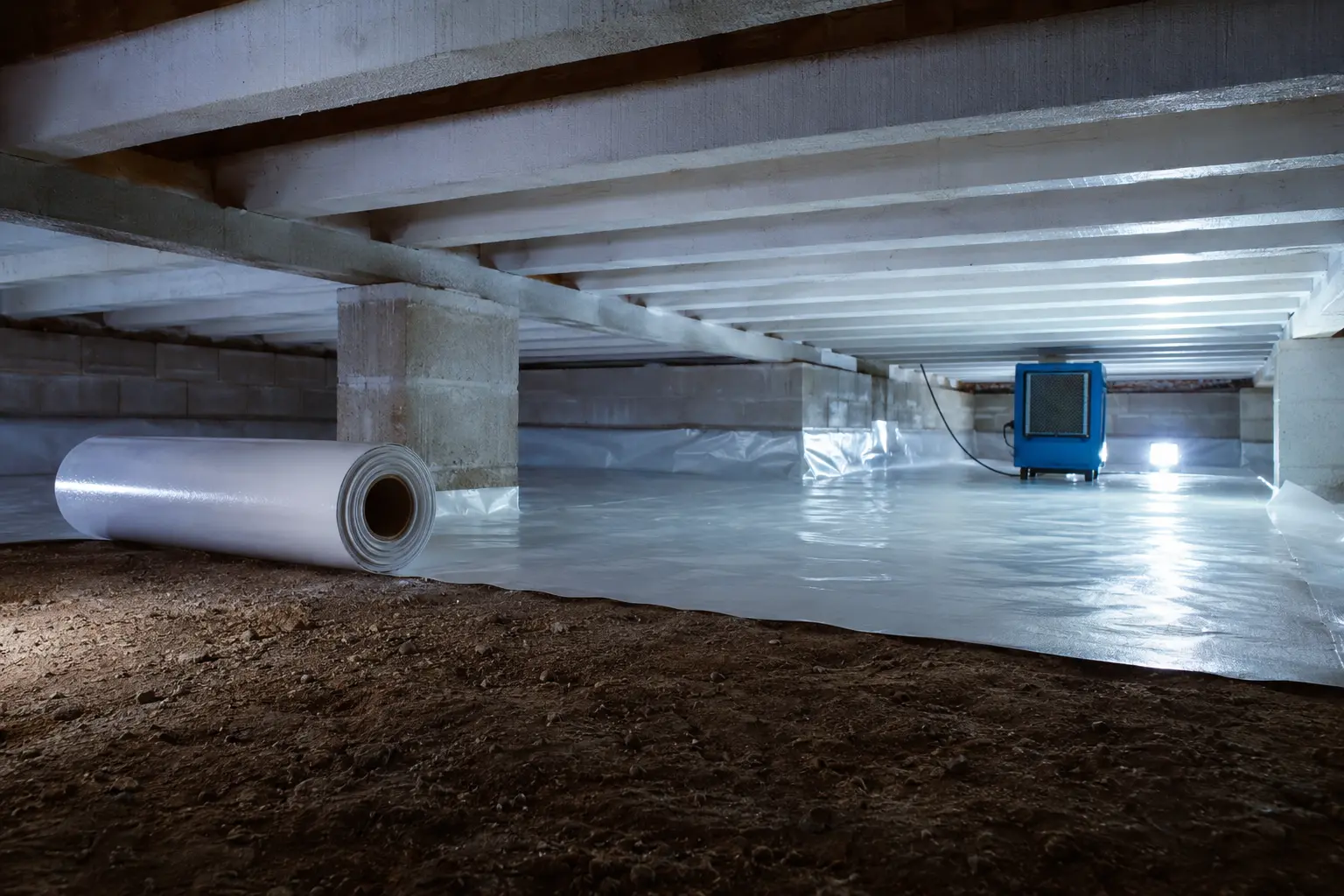
Paul Davis provides certified mold remediation for all fungal contamination types and severity levels: surface mold on bathroom tile, grout, and painted drywall; hidden mold colonies behind walls caused by slow plumbing leaks or condensation; attic mold from inadequate ventilation combined with Florida humidity; crawl-space and subfloor mold common in older block-wall construction; HVAC system mold spread through ductwork into living spaces; black mold (Stachybotrys chartarum) requiring full containment and protective protocols; and large-scale structural mold from unaddressed water intrusion events. Every remediation project includes source moisture identification, physical containment, HEPA-filtered air scrubbing, antimicrobial treatment, and post-remediation verification testing.
No region in the continental United States is more hospitable to mold growth than Marion, Sumter and Lake Counties. The area maintains relative humidity between 75% and 95% for most of the year — conditions in which mold spores can germinate on wet building materials within 24 to 48 hours. The combination of aging 1970s through 1990s housing stock (often with original polybutylene plumbing, minimal wall insulation, and older HVAC systems prone to condensation leaks), Florida intense and nearly daily summer thunderstorms, and the karst limestone substrate that can direct groundwater through foundation walls creates near-perfect conditions for chronic, recurring mold problems. Homes across Ocala, The Villages, Leesburg, and Clermont all share this exposure — mold found here is almost never a surface-only problem. Our inspections go deeper.
Why homeowners choose Paul Davis
- Applied Microbial Remediation certification on every mold project — not general restoration technicians
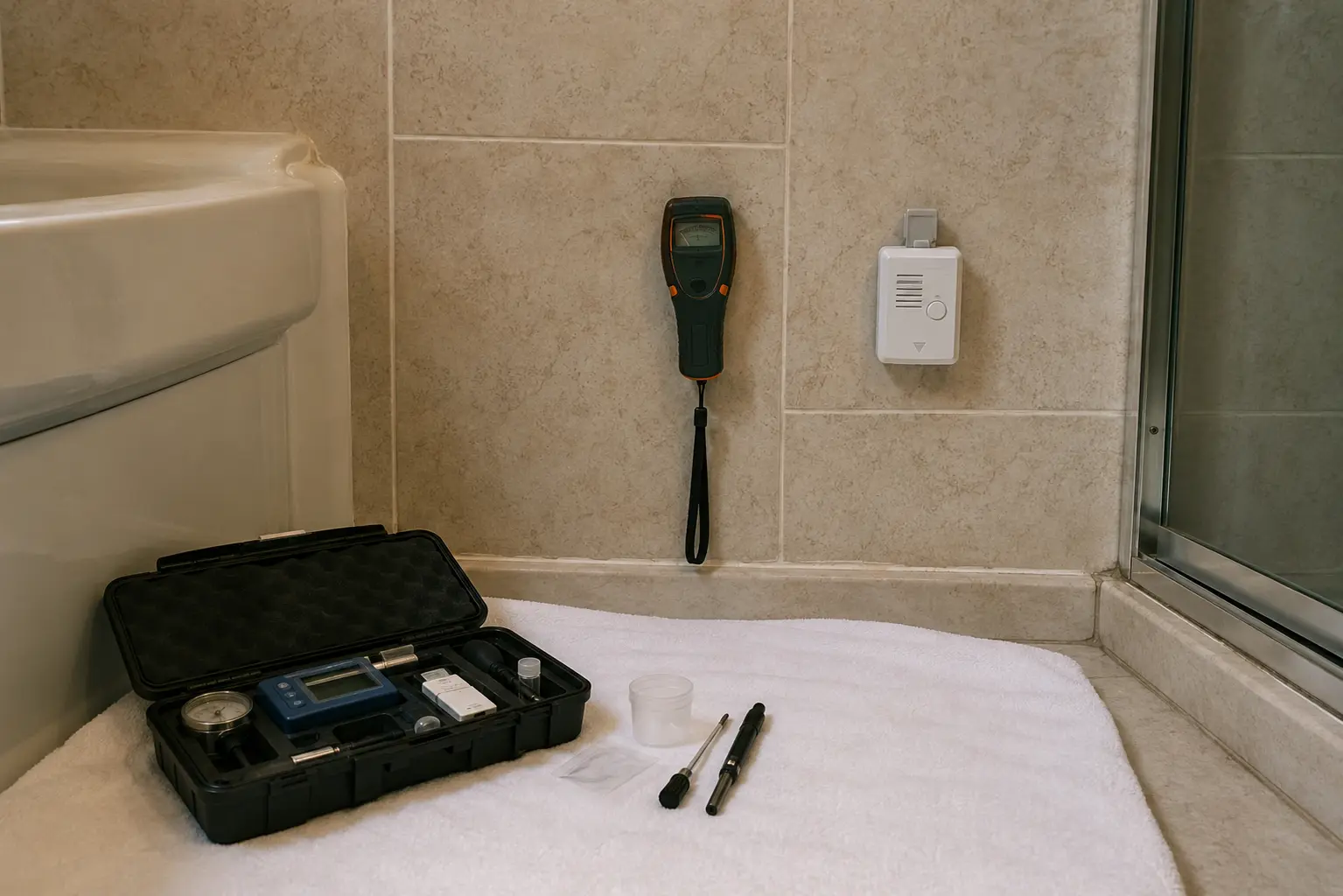
- Infrared thermal imaging and moisture mapping to locate hidden mold sources behind walls and under flooring
- Full physical containment with negative air pressure — preventing cross-contamination to unaffected areas of the home
- Post-remediation verification testing and clearance documentation suitable for real estate transactions and insurance records
- 35+ years serving Marion, Sumter and Lake Counties — familiar with the specific building assemblies, HVAC configurations, and moisture pathways common in this region
Certified mold inspection
Air quality testing
Containment setup
Safe mold removal
HEPA filtration
Post-remediation certification
Our Process
What to expect, step by step
Certified restoration technicians on every job, direct insurance billing, and daily updates from first assessment through final walkthrough.
1
Inspection & Testing
We identify mold type, extent, and the underlying moisture source.
2
Containment
Negative air pressure containment prevents spore spread.
3
Air Filtration
HEPA air scrubbers capture airborne spores.
4
Mold Removal
Affected materials are safely removed per IICRC standards.
5
Cleaning & Treatment
All surfaces are treated with antimicrobial solutions.
6
Restoration & Certification
We restore the space and provide clearance documentation.
Understanding Mold Remediation
What you need to know about mold remediation
Most homeowners encounter mold remediation for the first time without any preparation. Understanding what happens to your property — and why professional intervention matters — helps you make better decisions in a stressful moment.
Property damage is not a single event — it is a process. The damage visible at the moment of the incident is rarely the final state. Without professional intervention, secondary damage continues to compound: water spreads through wall cavities and subfloors, smoke residue bonds to surfaces, mold establishes colonies in hidden spaces.
The restoration timeline is not just about convenience. Insurance policies distinguish between damage caused by the original event and damage caused by delayed action or inadequate response. A professional, documented response creates a clear record that protects your claim and limits your out-of-pocket exposure.
0–24hMold can begin to colonize
72hStructural materials saturate
60 minOur dispatch target
As a certified restoration company, we follow specific industry protocols for mold remediation — protocols developed from decades of documented outcomes. These standards exist because they produce better results: lower total restoration cost, shorter disruption to your home, and lower long-term risk of secondary problems.
What certification means for you
Certified restoration work protects your insurance claim
Insurance adjusters recognize IICRC standards. Documentation from certified technicians carries weight in the claims process in a way that DIY documentation simply cannot.
Insurance & Claims
How insurance works for this type of damage
Most homeowner policies cover sudden and accidental losses — a burst pipe, storm impact, or fire. They typically exclude gradual damage, deferred maintenance, and flood damage (which requires a separate NFIP or private flood policy).
Paul Davis works directly with most major Florida carriers: State Farm, Allstate, Citizens, Universal Property, and others. We provide Xactimate estimates, complete photo documentation, moisture logs, and drying reports — everything your adjuster needs to process the claim efficiently.
Our insurance coordination process means you don't need to be the intermediary between us and your carrier. We communicate directly, we know what adjusters need, and we advocate for a thorough scope so that the repair addresses the full extent of the damage — not just what's visible on the surface.
"Paul Davis provided the quality of work, materials, equipment and most importantly, the compassion and consideration to repair my home to like new condition and I am forever very grateful to them." — Peggy Peaslee, Verified Google Review ★★★★★
Know Your Options
DIY versus professional restoration
Consumer-grade equipment operates at a fundamentally different scale than professional restoration gear. Understanding the difference explains why DIY attempts often fail — and why they can make the final restoration more expensive.
DIY Approach
-
Shop vac & box fans
Move surface water but cannot dry wall cavities or subfloors
-
Household dehumidifier
Removes 30–50 pints/day — inadequate for structural drying
-
No moisture mapping
Hidden wet areas go undetected and produce mold
-
No documentation
Insurance claims lack evidence adjusters require
-
No protocol compliance
May void insurance or create liability for secondary damage
Paul Davis Restoration
-
Industrial air movers
100–150 CFM per unit — 10× consumer fan output
-
LGR dehumidifiers
130+ pints/day — achieves structural drying goals
-
Thermal imaging & moisture meters
Maps every wet zone, verifies drying is complete
-
Xactimate documentation
Industry-standard reports your insurer accepts
-
IICRC protocol compliance
Certifies the work and protects your claim
How We Work
From your first call to final walkthrough
Every Paul Davis job follows a documented process. You know what's happening, why, and what comes next — from the moment you call to the day we close out the project.
01
Emergency Dispatch
You call. We aim to dispatch within 60 minutes, 24 hours a day. A certified technician arrives with the equipment needed to begin mitigation immediately — we do not send an estimator first.
02
Assessment & Documentation
We conduct a full assessment using thermal imaging and moisture mapping. We document everything photographically and create a detailed scope of work before any restoration begins.
03
Insurance Coordination
We contact your carrier, provide our documentation, and work directly with the adjuster on the scope and estimate. You are not the intermediary — we handle it.
04
Mitigation & Drying
Industrial equipment is deployed to stop ongoing damage. We monitor drying progress daily using moisture readings and adjust equipment placement to meet drying goals.
05
Restoration & Rebuild
Once mitigation is complete, we coordinate or perform the reconstruction phase — returning your property to pre-loss condition or better.
06
Final Walkthrough
We walk through the completed project with you, review the documentation package, and confirm everything meets your expectations before closing out the job.
Common Questions
Frequently asked questions
Common signs include a persistent musty odour, visible dark spots on walls or ceilings, and unexplained allergy symptoms that improve when you leave the property. Professional moisture mapping and air sampling provides certainty when visible signs are absent.
Some mold types, including black mold (Stachybotrys chartarum), produce mycotoxins that can cause serious health effects — particularly for children, elderly residents, and those with respiratory conditions. Marion, Sumter and Lake Counties have some of the highest ambient humidity in the country, making mold a genuine health risk when left unaddressed.
Most residential jobs take 1 to 5 days depending on the extent of growth. Attic or crawl space mold typically takes longer than bathroom or wall surface mold. We provide a specific timeline after the initial assessment.
It depends on the location and extent of the mold. Contained bathroom or small wall-cavity jobs typically allow you to stay. Jobs requiring whole-house containment or involving black mold usually require temporary relocation. We advise you clearly after the initial assessment.
Not if the moisture source is properly identified and eliminated. Mold is a symptom — the cause is always moisture. Our process always includes moisture source identification before remediation begins. If the leak, condensation, or humidity issue is not resolved, regrowth is possible regardless of who does the remediation.
It depends on the cause. Mold resulting from a sudden covered event such as a burst pipe or storm flooding is typically covered. Mold from long-term moisture or deferred maintenance is usually excluded. We document the cause clearly and work directly with your carrier on the claim.
We serve all of Marion, Sumter, and Lake Counties including Ocala, The Villages, Leesburg, Clermont, and all surrounding communities. We respond 24 hours a day for emergency mold situations following water damage events.
Yes. We conduct pre-remediation assessments using moisture mapping and air sampling, and provide post-remediation clearance testing to verify the work is complete. Clearance documentation is provided in a format accepted by insurers and suitable for real estate disclosure.
Mold Remediation — Local Coverage
Mold in our primary service areas
Each link below takes you to a dedicated page covering local risk factors, response times, and the full restoration process specific to that community.




Mold Does Not Wait — Neither Should You
In Florida's climate, a mold colony doubles in size roughly every 24 hours under the right moisture conditions. What looks like a small bathroom stain today can be a wall-cavity colony by next week. Call Paul Davis of Marion, Sumter & Lake Counties for a professional assessment. We will identify the moisture source, map the full extent of contamination, and give you a clear remediation plan — with direct insurance coordination if your loss is covered. Do not mask it. Fix it.