
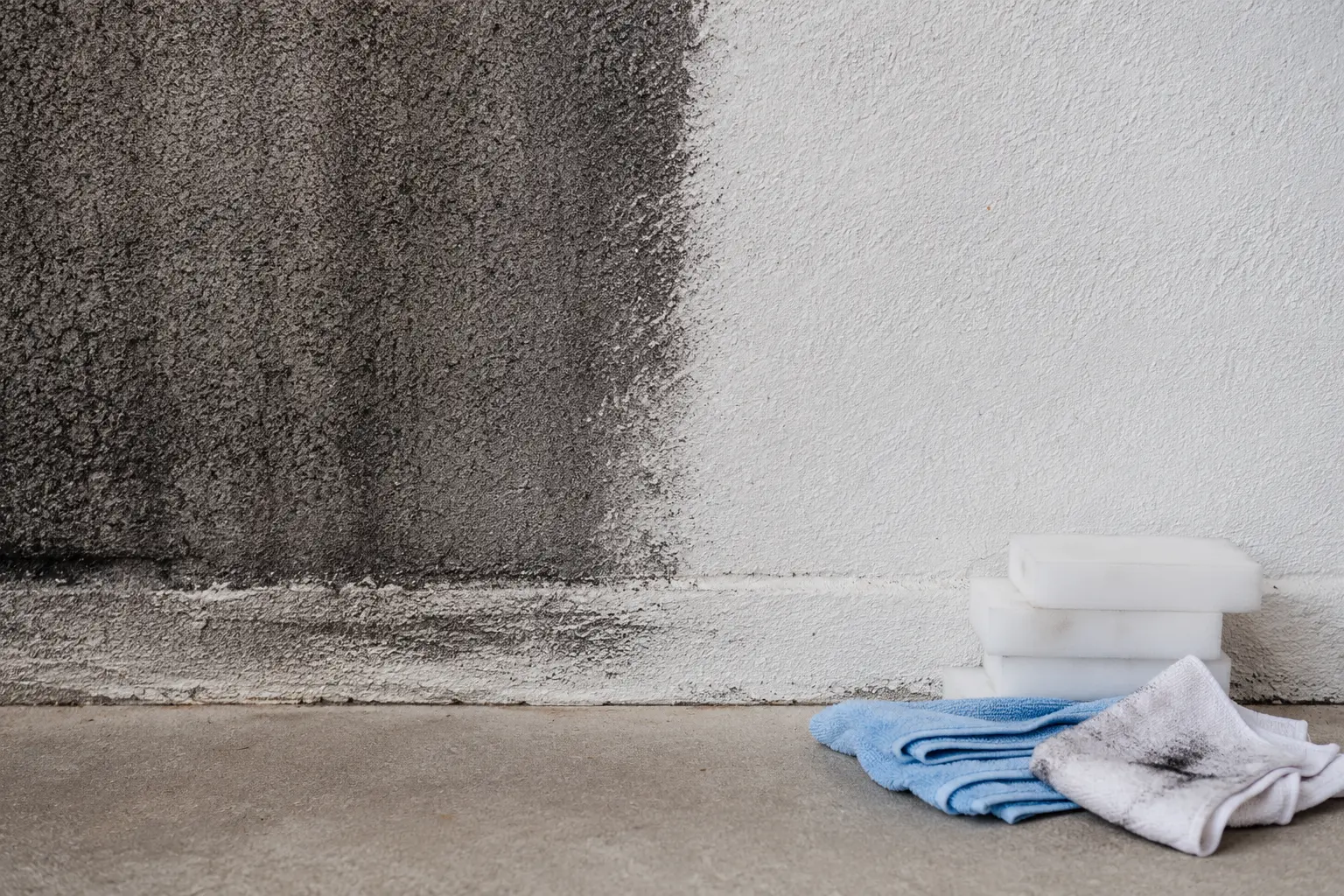
Soot Removal & Cleanup
Soot removal in Marion, Sumter & Lake Counties, FL. Paul Davis provides soot type assessment, dry-first cleaning protocols, surface-specific treatment, and HEPA air filtration for complete soot restoration.
Soot Removal in our primary service areas
Select a hub city to see local risk factors, the restoration process, and response times. Additional communities coming soon.
Soot Removal — Soot Type Assessment Drives Every Cleaning Decision
Soot removal after a fire in Marion, Sumter, or Lake County requires identifying the type of soot deposited — dry soot from fast-burning fires, wet soot from slow smoldering fires, and protein soot from kitchen fires — before any cleaning begins. The type of soot determines the cleaning protocol for every surface in the home. Attempting to clean wet soot with a dry method smears it further into porous surfaces. Wet-cleaning dry soot without a dry pre-clean sets it permanently. Paul Davis soot removal begins with soot type assessment, proceeds with the correct dry or wet pre-cleaning protocol for each surface type, and uses HEPA air filtration throughout to prevent redeposition of airborne soot particles onto cleaned surfaces.
Soot from a residential fire deposits on every surface the smoke reached — wall surfaces, ceilings, HVAC registers, cabinet interiors, window sills, and soft furnishings throughout the entire structure, not just in the room where the fire occurred. Complete soot removal requires assessing the full extent of soot deposition throughout the home, not just the visibly blackened areas near the fire origin. Paul Davis soot removal in Florida provides whole-structure assessment, soot type-specific cleaning for every affected surface, HVAC duct cleaning to remove soot deposited in the air distribution system, and post-cleaning clearance confirmation before reconstruction or re-occupancy.
Why homeowners choose Paul Davis
- Soot type assessment before any cleaning — prevents setting residue permanently
- Dry-first protocol on all surfaces where dry soot is present
- HEPA air filtration prevents airborne soot from redepositing on cleaned surfaces
- Surface-specific cleaning by material composition
- Whole-structure assessment — not just the visible fire area
How Soot Removal works, step by step
Certified restoration technicians on every job, direct insurance billing, and daily updates from first assessment through final walkthrough.
Soot Type Identification
Assess the type of soot deposited by the fire — dry soot, wet soot, or protein soot — before any cleaning begins. The soot type determines the entire cleaning sequence for every surface in the home.
HEPA Air Filtration Setup
Industrial HEPA air scrubbers deployed throughout the affected area capture airborne soot particles — preventing them from redepositing on surfaces as cleaning proceeds.
Dry Soot Pre-Cleaning
On all surfaces with dry soot deposition, dry cleaning methods (chemical sponges, HEPA vacuum) are applied before any wet cleaning agent — the correct sequence that prevents dry soot from becoming permanently embedded.
Surface-Specific Wet Cleaning
After dry pre-cleaning, surface-appropriate chemical cleaning agents are applied based on material type — hard surfaces, painted surfaces, porous materials, and fabrics each require different chemical approaches.
HVAC Register & Duct Cleaning
Soot deposited in HVAC registers, return grilles, and ductwork is removed — preventing the air distribution system from spreading residual soot after the home is cleaned.
Clearance Assessment
Post-cleaning assessment confirms all soot residue has been removed from every treated surface before reconstruction materials are installed or re-occupancy begins.
Frequently asked questions
Dry soot requires a dry pre-clean before any wet cleaning — applying water or chemicals first turns dry soot into a paste that becomes permanently embedded. Wet soot requires specific chemical agents. Applying the wrong protocol causes more damage than the soot itself.
Yes — soot from a fire travels via air movement and the HVAC system to deposit on surfaces throughout the entire structure. Paul Davis assesses every room in the home, not just the visible fire damage area.
Yes — soot deposited in HVAC registers, ducts, and the air handler must be removed. Running a soot-contaminated HVAC system after a fire spreads residue onto every cleaned surface in the home through the air supply vents.
Incorrect soot cleaning — particularly applying wet methods before a dry pre-clean on dry soot — permanently embeds the residue into porous surfaces. At that point, the material typically needs replacement rather than cleaning, which increases restoration cost significantly.
Part of our
Fire & Smoke Damage Restoration →Soot Damage After a Fire? Call Paul Davis.
Paul Davis provides complete soot removal in Marion, Sumter, and Lake Counties — soot type assessment, dry-first protocols, HEPA air filtration, and clearance confirmation before reconstruction. Call now.