

Black Mold Removal in Leesburg, FL
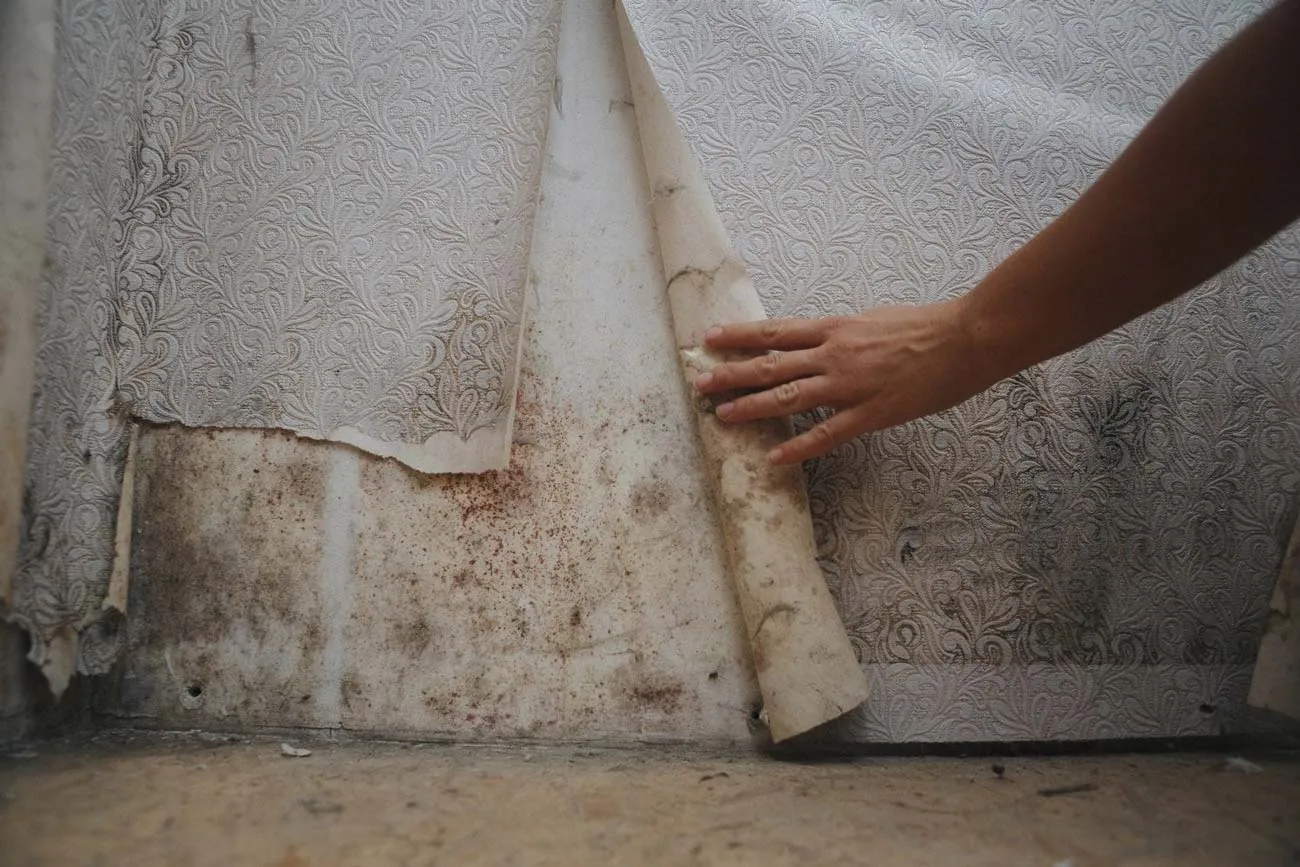
Black mold almost never announces itself. In Leesburg, by the time a homeowner picks up the phone, the dark, musty growth has usually been working its way through a wall cavity, a closet that backs onto a bathroom, or the framing around an air handler for weeks — somewhere out of sight, where the damp air coming off the Harris Chain of Lakes has had all the time it needs to soak into drywall and stay there.
Start your restoration
We’re on it.
A Paul Davis dispatcher will call you within minutes. Keep your phone nearby.
Need to talk now? Call us directly
Black Mold Remediation for Leesburg and central Lake County
Serving Leesburg and all of Lake County, FL.
What makes it a steady problem here, rather than a rare one, comes down to moisture that simply does not leave. Leesburg sits right on the water, and so do a great many of its homes — lakefront and near-lake streets where the air carries lake humidity day and night. The rain totals on paper look almost ordinary, but the lake is the real driver: ground that rarely dries out, crawlspaces that hold dampness, and indoor air that asks the air conditioner to do far more drying than it was ever built for.
That second part matters more than people expect. A lot of Leesburg's housing dates to the early-to-mid 1980s, and a forty-year-old home often still runs an aging cooling and ventilation system that can no longer pull enough moisture out of the air. When a tired AC, lake-fed humidity, and a slow leak come together inside an older wall, you get exactly the dark, persistent black mold we are called to remove — and removing it safely is what the rest of this page is about.
Why Leesburg homeowners call Paul Davis for black mold removal
When black mold turns up in a Leesburg home, you want a crew that treats it as the containment job it is, not a quick wipe-down. We've worked the lake-humid homes and aging systems across Lake County for years, and every job is run by certified technicians who remove the growth at its source and prove the air is clean before they leave.
- Certified restoration technicians on every job — not general laborers
- 60-minute emergency dispatch, 24/7/365
- Direct insurance billing with most major Florida carriers
- Thermal imaging and moisture mapping on every inspection
- Guaranteed workmanship
I am very pleased with the quick response to my call. They were there the same day removing the wet flooring and baseboards and bring the equipment to immediately start the drying process. They have been in contact with me to explain next steps.
What puts Leesburg homes at risk
Every restoration job starts with understanding the local conditions that made it worse. These are the factors our crews see repeatedly across Leesburg properties.
Lakefront and near-lake homes that never fully dry out
Homes along the Harris Chain of Lakes sit in air that stays humid around the clock, and that moisture finds its way into wall cavities, baseboards, and the framing nearest the water. Once black mold takes hold in a damp Leesburg wall, surface cleaning alone will not stop it from coming back. We remove the affected materials under containment and dry the structure down to the levels where mold can no longer feed.
Aging air conditioning that can't keep up with lake humidity
In an older Leesburg home, an undersized or worn-out AC will short-cycle and leave the indoor air damp, which is all black mold needs to spread inside walls and around the air handler. We trace the growth back to the moisture source, remove the contaminated drywall and insulation, and address the conditions feeding it so the same corner doesn't bloom again next summer.
Slow plumbing and AC drain leaks inside early-1980s walls
Many homes here were built four decades ago, and a small drip behind a vanity or a clogged condensate line can wet the framing for weeks before anyone notices a stain. Combined with Lake County's standing humidity, that hidden dampness turns into dark growth deep in the wall. We open the cavity, remove what's affected, and verify the area is dry before anything is closed back up.
Closed-up seasonal and lake-house rooms
Plenty of Leesburg properties have guest rooms, sunrooms, or whole homes that sit shut for stretches of the season, with the air conditioning dialed back and the lake moisture left to settle. Black mold thrives in that still, humid air. When owners return to a musty smell and dark patches, we contain the room, remove the growth at the source, and confirm the air is clean before they move back in. It's one of the most common calls we get from the lake-house streets here.
What to expect, step by step
Certified restoration technicians on every job, direct insurance billing, and daily updates from first assessment through final walkthrough.
Inspection and moisture mapping
We start by finding the full reach of the black mold and the moisture feeding it, using thermal imaging and moisture meters to read inside Leesburg walls and ceilings rather than guessing from the surface.
Find and stop the moisture source
Because lake humidity and hidden leaks drive so much growth here, we identify what's keeping the area wet — a drain line, a slow plumbing leak, or a damp wall cavity — and address it before any removal begins.
Full containment under negative air pressure
We seal the work area and put it under negative air with HEPA filtration, so spores can't travel through the rest of the home while we work.
Remove affected materials and clean
Inside the containment, we remove the drywall, insulation, and framing materials the black mold has grown into, then HEPA-clean and treat the surfaces that remain.
Dry the structure down
We dry the affected framing and cavities to the levels where mold can no longer feed, which matters especially in a Leesburg home surrounded by lake humidity.
Clearance testing and rebuild
Before the containment comes down, we verify the air with clearance testing so you have proof the space is safe, then put the structure back together.
In Depth — Leesburg
Black Mold Removal in Leesburg: What Property Owners Need to Know
Black mold in wall and ceiling cavities
Heavy, dark growth that takes hold inside the wall and ceiling framing where moisture has been trapped.
In Leesburg's older homes, a slow leak inside an early-1980s wall can stay wet for weeks while lake humidity keeps the cavity from drying. By the time it shows on the surface, the growth has usually spread well behind the drywall, which is why we open the wall under containment and remove the affected materials rather than treating only the face.
Mold growth around the air handler and ductwork
Dark mold colonizing the air handler, coil area, and surrounding framing where condensation collects.
An aging AC struggling against Leesburg's lake-fed humidity often runs damp, and that moisture feeds black mold right at the heart of the system that circulates your air. We contain and remove the growth around the handler so it isn't carried into every room, and we look at the condensate path that let it start.
Mold from poor ventilation in lake-house rooms
Black mold spreading in closed-off or under-ventilated rooms where humid air sits undisturbed.
Sunrooms, guest rooms, and seasonally closed lake homes around the Harris Chain of Lakes hold still, moist air that black mold loves. When owners return to dark patches and a musty smell, we seal the room, remove the growth at the source, and confirm the air is clean before it's used again.
Mold and Your Health
Black mold isn't just a cosmetic problem — the dark growth in a damp Leesburg wall is constantly releasing spores into the air your family breathes. For many people that means lingering congestion, coughing, headaches, or eyes and throat that feel irritated at home but ease up away from it. Those most affected tend to be children, older adults, and anyone with asthma or allergies, who can react to even low levels in the air. Because the lake humidity here keeps the growth active, the exposure doesn't pause on its own, which is why getting it contained and removed matters.
Certification & Insurance
Our technicians follow IICRC industry standards for mold remediation on every Leesburg job, from containment through clearance testing. Paul Davis is a licensed Florida general contractor, so when removal calls for opening walls and rebuilding, the same team can put your home back together. We're also EPA Lead-Safe certified, which matters in the older homes common around Lake County.
What to tell us when you call
Four things that speed up your claim
Type of damage — general location in the home — whether the source is still active — whether the building is safe to enter. We handle everything else.
Commercial Property Restoration
Black mold isn't only a home problem in Leesburg — offices, lakefront rentals, restaurants, and older downtown buildings all face the same lake humidity and aging systems, often with tenants or guests who can't simply wait it out. We work around your hours, contain the affected areas so the rest of the building stays open where possible, and document everything for your carrier.
From small storefronts to multi-unit properties, we keep commercial remediation work moving across Lake County.
Why black mold keeps coming back in Leesburg homes
Most repeat black mold calls in Leesburg trace back to the same thing: someone wiped down the visible growth, but the moisture feeding it never went away. That's an easy mistake to make on the Harris Chain of Lakes, where the humidity that drives the problem isn't a one-time spill — it's the everyday air. Bleaching a wall doesn't lower the moisture inside it, and within weeks the dark patches return, often larger than before. Real mold remediation means containing the area so spores can't travel, removing the materials the mold has grown into, and drying the structure to a level it can no longer feed on. Because so much black mold here starts with a hidden leak, we also look hard at the water source — and if there's active intrusion, our water damage restoration in Leesburg crew can stop it before remediation begins. Fix the moisture and the mold stays gone; ignore it and it always comes back.
How containment and clearance testing protect your home
Black mold can't simply be scrubbed off and left alone — disturbing it sends spores through the air, and in a Leesburg home with the AC moving that air room to room, a small bathroom problem can become a whole-house one fast. That's why we set up full containment first, sealing the work area and putting it under negative air pressure with HEPA filtration so spores stay where they are and leave through our equipment, not your vents. Inside that barrier we remove the affected drywall, insulation, and framing materials, then clean and dry what remains. When the work is done, we don't just take your word or ours that it's gone — we verify the air with clearance testing, so you have proof the space is safe before the containment comes down. If you want the bigger picture on how mold takes hold across the area, our Leesburg mold remediation overview walks through it in more depth.
Disaster doesn’t wait.
Neither do we.
Black mold that's just been disturbed — a wall opened during a repair, a leak that finally surfaced — shouldn't sit while spores move through the house. We dispatch within 60 minutes, day or night, and from our Belleview base we can often reach Leesburg homes the same day to get the area contained. Sealing it off early keeps a one-room problem from becoming a whole-home one.
Florida Emergency Hotline — 24 hours a day
Request a Free Estimate →Local department contacts
After major damage in Leesburg, you may need to reach a local department — the building office for permits and structural inspections, the health department for mold or contamination questions, or fire-rescue for a fire-damage assessment. Here are the offices serving Leesburg. Paul Davis is always one call away and can help you navigate the process.
Building Department
City of Leesburg Building Division
204 N 5th St, Leesburg, FL 34748
(352) 728-9735Health Department
Florida Dept of Health — Lake County
2113 Griffin Rd, Leesburg, FL 34748
(352) 589-6424Fire Department
Leesburg Fire Department (non-emergency)
201 S Canal St, Leesburg, FL 34748
(352) 728-9780Contact information is accurate to the best of our knowledge at time of publication. Paul Davis Restoration is not responsible for changes to agency contact information, hours, or services. For the most current information please contact the agency directly.
Frequently asked questions
Almost always because the moisture feeding it was never fixed. On the Harris Chain of Lakes, the humidity driving the growth is in the everyday air, so wiping down a wall does nothing to dry what's inside it. We remove the mold at its source and address the moisture — a leak, a damp cavity, or an AC that can't keep up — so it doesn't return.
For many Leesburg homes, yes. Lakefront and near-lake streets sit in air that stays humid around the clock, which keeps walls, crawlspaces, and framing from drying out the way they would further inland. Pair that standing moisture with an older home's aging AC and a small leak, and black mold has everything it needs.
We don't recommend it. Disturbing black mold releases spores into the air, and in a home where the AC moves that air room to room, a small bathroom patch can spread fast. Surface cleaning also leaves the growth inside the wall untouched. Safe removal means containment, removing the affected materials, and verifying the air afterward.
Yes. We cover Leesburg and the surrounding Lake County communities, including Eustis, Tavares, Mount Dora, and Fruitland Park, where the same lake humidity and early-1980s housing create the same kind of hidden growth. From our Belleview base we can often reach these areas the same day.
We don't ask you to take it on faith. Before the containment comes down, we run clearance testing to verify the air is clean, so you have proof the space is safe rather than just a clean-looking wall. Our work is also backed by a workmanship guarantee.
Found black mold in your Leesburg home?
If you're seeing dark patches or catching a musty smell that won't quit, don't wipe it down and hope — that only buries the problem. Call Paul Davis and we'll inspect it properly, find the moisture behind it, and remove it the way it should be done. We'll confirm the air is clean before we leave.