Immediate Steps
When damage strikes, the first 60 minutes are the most critical. The decisions made in this window directly affect both the safety of your family and the total cost of restoration.
Do not wait to see if things improve on their own. Water damage absorbs into porous materials within minutes. Fire smoke residue begins bonding to surfaces within hours. Mold spores colonize wet materials within 24–48 hours. Speed is the single most effective cost-reduction tool available.
Safety First
Important Safety Notice
Never enter a structure with standing water near electrical outlets, panels, or appliances without first cutting power at the breaker. If you cannot safely access the panel, stay out and call us immediately.
Before any restoration work begins, the structure must be safe to occupy. This means evaluating structural integrity, electrical hazards, and air quality.
Our technicians carry gas detectors, electrical testing equipment, and structural assessment tools on every vehicle. Safety assessment is always the first step on every job.
Documentation
Before touching anything — before moving furniture, opening windows, or starting cleanup — document the damage completely. This documentation is the foundation of your insurance claim.
Documentation checklist:
- Wide-angle photos of every affected room
- Close-up photos of specific damage
- Video walkthrough of the entire affected area
- Photos of any standing water depth
- Document the date, time, and cause if known
- Photograph any visible mold, smoke staining, or structural damage
Calling a Professional
Consumer-grade equipment — shop vacs, box fans, household dehumidifiers — cannot adequately dry structural materials. A wet wall cavity or subfloor that appears dry on the surface can harbor moisture that will not show up until mold has already established.
Professional restoration equipment operates at a completely different scale. Industrial air movers generate 100–150 CFM each (versus a household fan's 10–15 CFM). LGR dehumidifiers remove 130+ pints per day. Moisture mapping equipment identifies wet zones invisible to the naked eye.
The Insurance Process
Most homeowner insurance policies cover sudden and accidental losses — a burst pipe, a washing machine overflow, fire damage, storm damage. They typically do not cover gradual damage or deferred maintenance.
Paul Davis works directly with most major insurance carriers. We provide detailed Xactimate estimates, photographic documentation, moisture logs, and drying reports — everything your adjuster needs to process your claim efficiently.
Common Mistakes to Avoid
Waiting to see if it dries on its own
Moisture continues absorbing into structure. Every hour increases restoration cost and mold risk.
Using household fans
Box fans circulate air but do not dehumidify. They can actually spread airborne contaminants.
Cleaning before documenting
Insurance requires photographic proof of the initial damage state. Clean after you document.
Delaying the insurance call
Most policies require timely notification. Late notification can complicate or void your claim.
Frequently Asked Questions
What is the difference between smoke damage and fire damage?
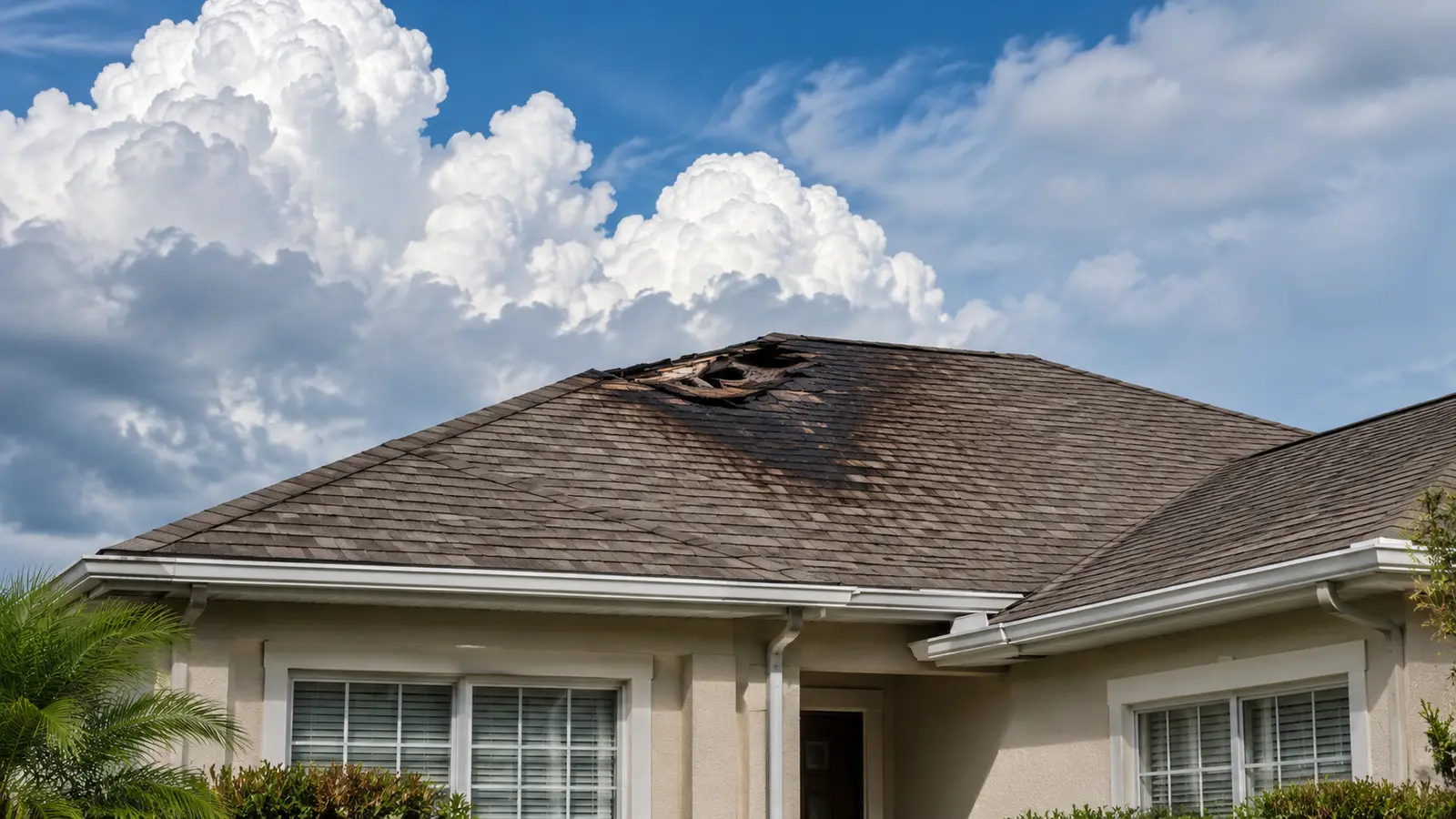
Fire damage refers to structural damage from the burn itself — charred materials, collapsed framing. Smoke damage refers to the residue, odor, and chemical contamination that travels beyond the burn area into walls, ductwork, and belongings. Both require separate treatment protocols.
How far can smoke damage spread?
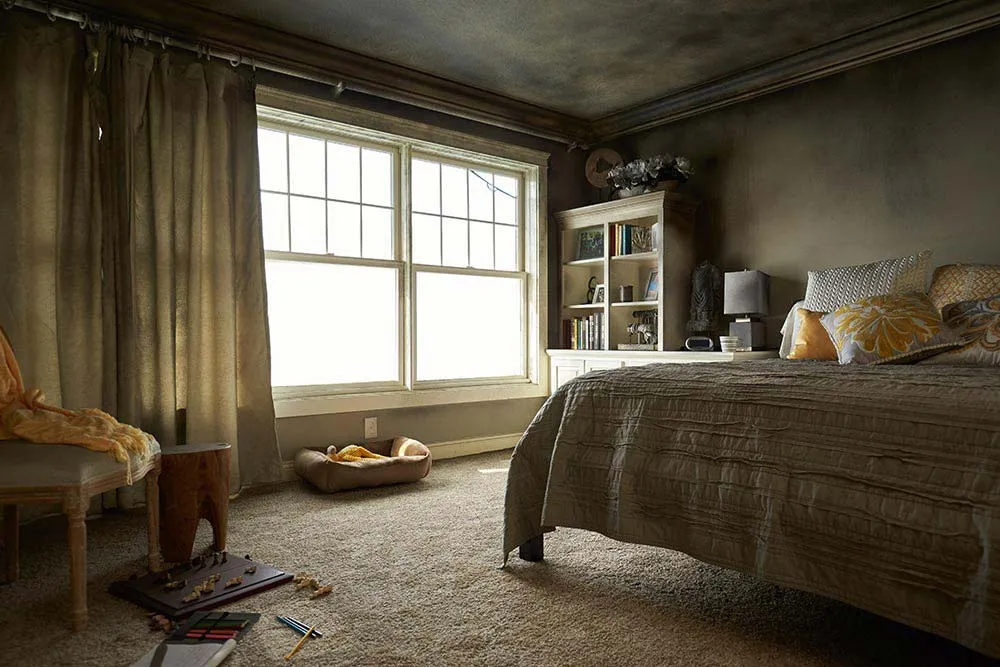
Smoke travels through every gap in a structure — wall cavities, HVAC ducts, electrical channels. In a house fire, smoke damage is often found in rooms with no visible burn damage at all.
How is smoke odor removed permanently?
Surface cleaning alone does not eliminate smoke odor. Permanent removal requires treating the same surfaces the smoke penetrated — using thermal fogging, hydroxyl generators, or ozone treatment depending on the material and damage type.
Does insurance cover smoke damage without fire damage?
Yes. Most homeowners policies cover smoke damage as a covered peril alongside fire damage. The key is documenting both the visible damage and the extent of smoke infiltration throughout the structure.
Paul Davis Restoration Team
IICRC Certified Restoration Specialists
Our restoration team brings decades of combined field experience to every article. We write about what we see on the job — not theory, but the realities of property damage and recovery in Marion, Sumter and Lake Counties.