

Crawl Space Mold Remediation in Clermont, FL
Most Clermont homes don't have a crawl space at all, and that's worth saying plainly. So much of this city went up during the mid-2000s building rush — the Orlando-spillover subdivisions climbing the rolling hills toward Minneola and Groveland — and those homes were almost all poured on concrete slabs set right onto the ground. For the typical newer Clermont house, there's simply nothing underneath for mold to colonize. The exception is the smaller set of homes that sit up over a crawl space: some of the older or custom-built houses, a number of the elevated places along the Clermont Chain of Lakes, and lake-lot builds that were raised to keep the living floor up off the water table.
Start your restoration
We’re on it.
A Paul Davis dispatcher will call you within minutes. Keep your phone nearby.
Need to talk now? Call us directly
Crawl Space Mold Removal & Remediation for Clermont and west Lake County
Serving Clermont and all of Lake County, FL.
When we do get one of those calls, it's rarely because anyone laid eyes on the growth. It's a musty smell drifting up through the floor registers, a hardwood plank that's started to cup, soft spots underfoot, or a home inspector who went under during a sale and came back with photos the seller didn't want to see. By then the dark growth has usually spread across the floor joists, the subfloor, and the underside of the insulation, fed by damp earth below and the humid air rolling off the South Lake County lakes that gets trapped in that closed-off space with no real way to dry out.
We treat the space under the home as both a cleanup and a moisture-control job, because in this lake-belt climate scrubbing the joists alone never holds. Paul Davis removes the growth from the framing, subfloor, and insulation to standard, then turns to the reason it grew — the bare, damp ground giving up water all day, the water that pools after a heavy summer storm rolls over the hills, the missing or torn vapor barrier, the humid outside air pouring through open foundation vents. Crews reach Clermont and the nearby South Lake communities of Minneola, Groveland, and Mascotte quickly. Clean the wood but leave the ground open and wet, and the same staining is back on the joists within a season.
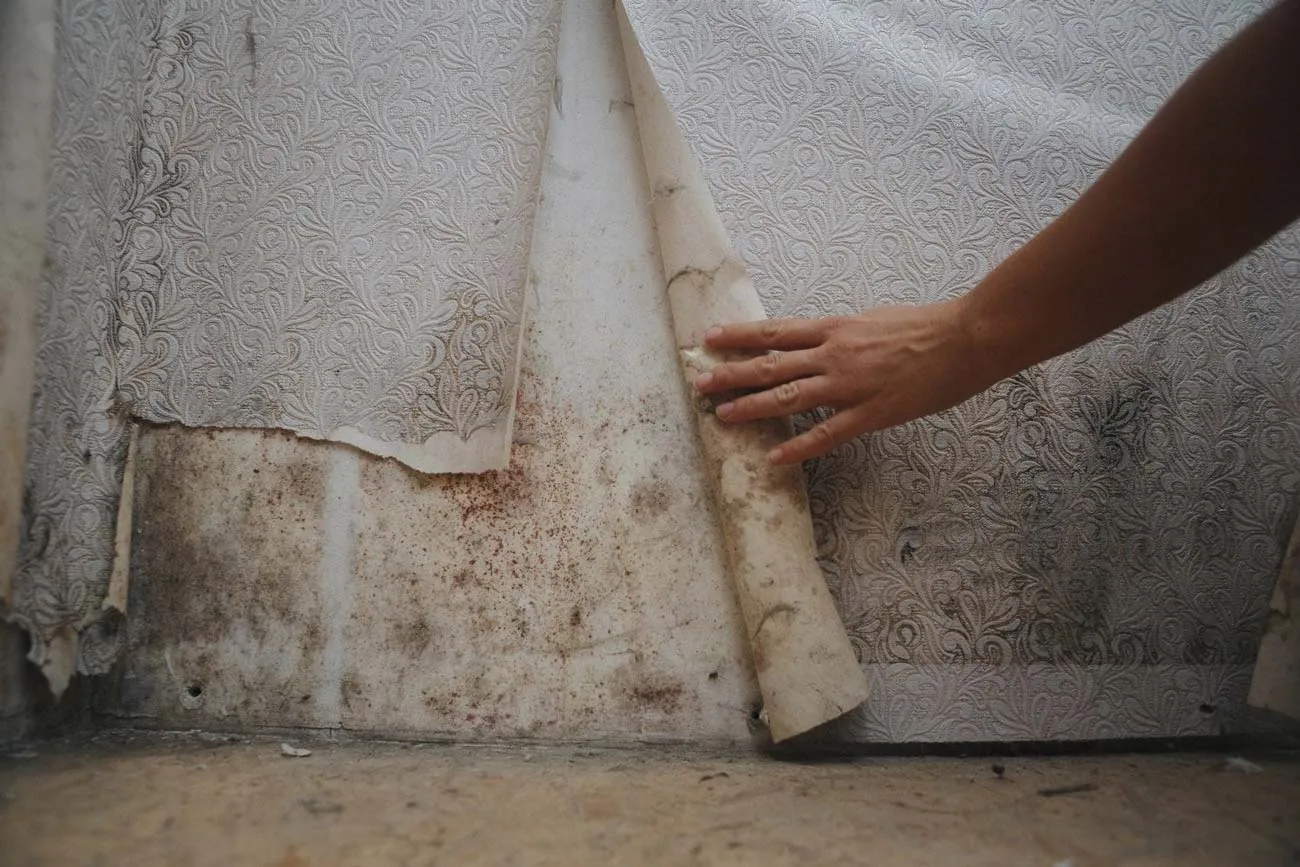
Why Clermont homeowners call Paul Davis for crawl space mold remediation
When growth shows up under the floor, you want a crew that understands the uncommon elevated and lakefront homes here — the bare ground, the open foundation vents, the storm runoff that pools under the low spots in the hills — and knows that remediation only holds if the moisture underneath is brought under control at the same time. Our approach to <a href="/services/mold-remediation">crawl space mold work in Clermont</a> is as much about sealing the ground and managing the trapped humidity as it is about cleaning the joists, and that local read is what keeps the growth from coming back.
- Certified restoration technicians on every job — not general laborers
- 60-minute emergency dispatch, 24/7/365
- Direct insurance billing with most major Florida carriers
- Thermal imaging and moisture mapping on every inspection
- Guaranteed workmanship
Excellent experience. Our insurance company recommended them. They arrived quickly and everyone was very professional. Communication was something that they excelled in — I always felt that they were on top of everything.
What puts Clermont homes at risk
Every restoration job starts with understanding the local conditions that made it worse. These are the factors our crews see repeatedly across Clermont properties.
Bare earth giving up ground moisture into a closed space
Under an elevated Clermont home, exposed soil releases moisture into the air all day long, and in a tight, closed-off space that dampness has nowhere to go but up into the joists and subfloor. On a lake lot near the Chain of Lakes, where the water table sits high, the ground gives off even more. We seal the soil with a proper vapor barrier and control the trapped air, so the framing finally has something dry around it instead of a wet cloud rising off the dirt below.
Humid lake air pouring through open foundation vents
The old habit of venting a crawl space to the outside backfires in this climate — open foundation vents let the warm, humid air off the South Lake County lakes flow in, where it cools against the floor framing and condenses on the wood. That nightly dampness feeds growth on the joists even when the ground is dry. We address how the space exchanges air as part of the work, so the crawl space isn't being re-humidified by the very vents that were meant to dry it out.
Storm water pooling under a low spot in the hills
Clermont's rolling terrain means water moves, and a crawl space sitting at the bottom of a slope or on a low lake lot can take on runoff when a heavy summer storm sweeps through. That water pools and sits for days under the floor, keeping everything beneath the home saturated and feeding growth long after the sky clears. We pump and dry the space, correct the drainage and grading that funnel water toward it, and document the readings before any insulation goes back.
A missing, torn, or undersized vapor barrier
Even on a newer elevated Clermont home, the plastic vapor barrier across the soil may have been installed thin, left incomplete, or torn up since by pest control, plumbing work, or rodents. Without an intact barrier between the wet ground and the framing, the space can't stay dry through a humid lake-belt summer. We lay a continuous, sealed barrier across the soil and up the piers, which is what actually breaks the cycle keeping the joists damp.
What to expect, step by step
Certified restoration technicians on every job, direct insurance billing, and daily updates from first assessment through final walkthrough.
Crawl Space Inspection & Moisture Mapping
We go under the home with thermal imaging and moisture meters, reading the joists, subfloor, insulation, and the ground itself. The goal of the first visit is to map how far the dampness has spread and find where it's coming from — not to start tearing anything out.
Find the Cause — Ground, Water & Venting
We trace the moisture to its real source: damp bare earth, storm runoff pooling under a low spot in the hills, a missing vapor barrier, or open vents letting the humid lake air in. In Clermont, the growth is a symptom, and this step finds the moisture cause it grew from.
Containment & Air Control
Before any cleaning, we contain the crawl space and set up air filtration so spores don't drift up through the floor registers and vents into the living space above. This keeps the rest of your Clermont home out of the work zone.
Mold Removal & Treatment
We remove the growth from the joists, beams, and subfloor to standard, take out saturated insulation and any unsalvageable material, and apply antimicrobial treatment to the cleaned wood. The framing is treated rather than guessed at.
Seal the Ground & Control the Moisture
We lay a continuous, sealed vapor barrier across the soil and up the piers, correct any drainage and grading feeding the space, and address the venting that lets humid air in. This is the step that keeps the growth from returning, because under a Clermont home the ground moisture is what feeds it.
Clearance & Documentation
Final moisture readings confirm the framing is dry and the ground is sealed, and we close out the documented record for your insurer. The work isn't signed off by eye — it's signed off on a number.
In Depth — Clermont
Crawl Space Mold Remediation in Clermont: What Property Owners Need to Know
Floor-joist and subfloor mold
Growth colonizing the wooden floor joists, beams, and the underside of the subfloor — the most common form we find under a home.
This is the classic find under an elevated Clermont home: dark growth spreading across the framing above damp, bare earth. On the lake-lot builds along the Chain of Lakes, it traces back to ground moisture and humid air trapped in a space that can't dry. We clean the wood to standard, then seal the soil so the framing finally has dry air around it instead of a wet cloud rising off the ground.
Saturated crawl space insulation
Batt insulation tucked between the joists that has absorbed ground moisture or storm water and now holds it against the subfloor.
When a closed crawl space stays humid through a long South Lake County summer — or takes on runoff after a storm sweeps over the hills onto a low lot — the insulation under the floor soaks through and sags, pinning that dampness against the very wood we're trying to dry. We remove the contaminated material, dry the structure underneath, and document the readings before any new insulation goes back.
Vent-driven condensation growth
Mold fed not by a leak but by humid outside air condensing on the cooler floor framing inside a vented crawl space.
Open foundation vents on an elevated Clermont home let the warm, humid air off the lakes flow in under the floor, where it condenses on the joists overnight and wets wood that never touched standing water. We address how the space breathes — sealing the ground and managing the air exchange — so the condensation cycle feeding the growth is broken instead of fed every night.
Mold and Your Health
Crawl space mold doesn't stay politely under the floor. Air naturally moves upward through a house, drawing spores and musty, humid air from beneath the home up through floor registers and gaps into the rooms where your family actually spends its time. In a Clermont home full of young families — as many of these growing lake-belt subdivisions are — that drifting exposure can mean more congestion, irritated eyes, and worsened asthma or allergies, and children tend to feel it first. Removing the growth and sealing the moisture underneath is what protects the air upstairs, not just the wood below.
Certification & Insurance
Paul Davis is a certified restoration company, and the crews handling crawl space mold remediation in Clermont work to recognized IICRC standards. Because the job often means structural repairs to floor framing and sealing the space underneath, the rebuild side is backed by licensed Florida general contractor credentials, and on the older and custom homes across South Lake County we follow EPA Lead-Safe practices wherever a home's age makes that relevant. The payoff is simple: the work is done to a documented standard, and the repair that follows is done to code.
What to tell us when you call
Four things that speed up your claim
Type of damage — general location in the home — whether the source is still active — whether the building is safe to enter. We handle everything else.
Commercial Property Restoration
Crawl space and under-floor mold isn't only a residential problem in Clermont. We handle it for property managers and business owners too — the older raised storefront or office downtown, the church or community building set up on a pier foundation, the lakeside rentals and event venues along the Chain of Lakes where the floor sits over damp ground. Each comes with its own occupancy pressure and insurance documentation that a residential scope doesn't account for, and we stage the work so the parts of the operation that can stay open, stay open.
Paul Davis keeps commercial remediation protocols ready for Lake County business owners and property managers.
Why crawl spaces are the rare exception in Clermont — and why they grow mold
It's worth being straight about this: most Clermont homes don't have a crawl space at all. The city grew up fast during the mid-2000s boom, and those Orlando-spillover subdivisions spreading across the hills toward Minneola and Groveland were built almost entirely on concrete slabs. The homes that do sit over a crawl space are the smaller set — some older or custom houses, and the elevated lake-lot builds raised up along the Clermont Chain of Lakes. Where the rest of the city's mold story is about tight new-build envelopes trapping moisture inside slab homes, a crawl space adds a problem all its own: damp ground giving off water all day, sealed into a closed space that traps the humid lake air against the floor framing. The growth almost always traces back to the same root issue we chase everywhere in town — moisture that lingers with nowhere to go. That's why our approach to mold throughout Clermont homes starts by finding the water source first, whether it's a tight wall upstairs or wet ground below.
When the moisture has reached the rooms above
By the time growth under the floor makes itself known, the dampness has often worked its way up into the living space — a cupping hardwood floor, a soft subfloor under the kitchen, or insulation that's gone matted and useless against the underside of the floor. On an elevated home along the Chain of Lakes, where a low space can take on water after a storm rolls over the hills and sit wet for days, the affected zone usually reaches well past whatever the inspector photographed. When standing water under the home has soaked the subfloor and framing, the job overlaps with our water damage work in Clermont — pumping the space out and drying the assemblies to a documented standard before anything is closed back up. We map the full footprint with thermal imaging first, because the wet patch you can see from the access hatch is almost always smaller than the area the water actually reached.
Disaster doesn’t wait.
Neither do we.
Crawl space mold usually isn't a 2 a.m. emergency, but a space taking on water after a storm is — and that's where speed matters under a Clermont home. We reach Clermont and the nearby South Lake communities fast, often the same day, with pumps and thermal imaging on the truck to find how far the water has spread beneath the floor before it does more harm. When a heavy summer storm has flooded a crawl space on a low lake lot along the Chain of Lakes, we dispatch on the call so the space gets dried out instead of sitting wet and waiting on an appointment.
Florida Emergency Hotline — 24 hours a day
Request a Free Estimate →Local department contacts
After major damage in Clermont, you may need to reach a local department — the building office for permits and structural inspections, the health department for mold or contamination questions, or fire-rescue for a fire-damage assessment. Here are the offices serving Clermont. Paul Davis is always one call away and can help you navigate the process.
Building Department
City of Clermont Building Services
685 W Montrose St, Clermont, FL 34711
(352) 241-7315Health Department
Florida Dept of Health — Lake County
2113 Griffin Rd, Leesburg, FL 34748
(352) 589-6424Contact information is accurate to the best of our knowledge at time of publication. Paul Davis Restoration is not responsible for changes to agency contact information, hours, or services. For the most current information please contact the agency directly.
Frequently asked questions
Not most of them — and fewer than in older Florida towns. Clermont grew up fast during the mid-2000s boom, and the subdivisions spreading across the hills toward Minneola and Groveland were built almost entirely on concrete slabs, so the typical newer home has no crawl space at all. The ones that do tend to be older or custom houses and the elevated lake-lot builds raised up along the Chain of Lakes — and those are exactly the homes where under-floor mold becomes a problem.
Because the cleaning treated the symptom, not the cause. Under a Clermont home, the growth is almost always driven by moisture rising off bare ground, storm runoff pooling in a low space, a missing vapor barrier, or humid lake air coming in through open foundation vents. Until that moisture source is controlled, the warm, humid air just feeds new growth on the joists — which is why we remediate and seal the space in the same job.
On the raised and lake-lot homes around South Lake County, it's damp ground sealed into a closed space that traps humidity against the floor framing. Bare earth gives off moisture all day, open vents let the humid air off the lakes pour in, and a torn or missing vapor barrier means none of it ever dries. On a low lot in the rolling terrain, storm runoff pooling under the floor makes it worse. That lingering dampness is what the growth lives on.
It depends on the source. If the mold grew from a sudden, covered event — like storm water that flooded the crawl space or a plumbing line that let go under the floor — a Florida policy will often respond, though many carriers cap mold coverage. Growth from long-term ground moisture or a vapor barrier nobody ever installed is usually treated as gradual damage and excluded. We document the cause and the moisture footprint thoroughly so a covered claim has the proof it needs, and we bill most major Florida carriers directly.
Both — that's the whole point. Remediation alone doesn't hold under a Clermont home, so we seal the ground with a proper vapor barrier, correct the drainage and grading letting water pool, and address the venting bringing humid lake air in. Then we confirm the framing is dry with final readings. Removing the growth without controlling the moisture just sets you up to do it again next summer.
Found mold under your Clermont home?
If your house sits over a crawl space and you're smelling must through the floor or feeling soft spots underfoot, don't just spray the joists and close the hatch — in this lake-belt climate the growth comes back unless the ground and the moisture are brought under control. Call Paul Davis and we'll get a certified crew underneath to find the source, remediate to standard, and seal the space so it stays dry.