
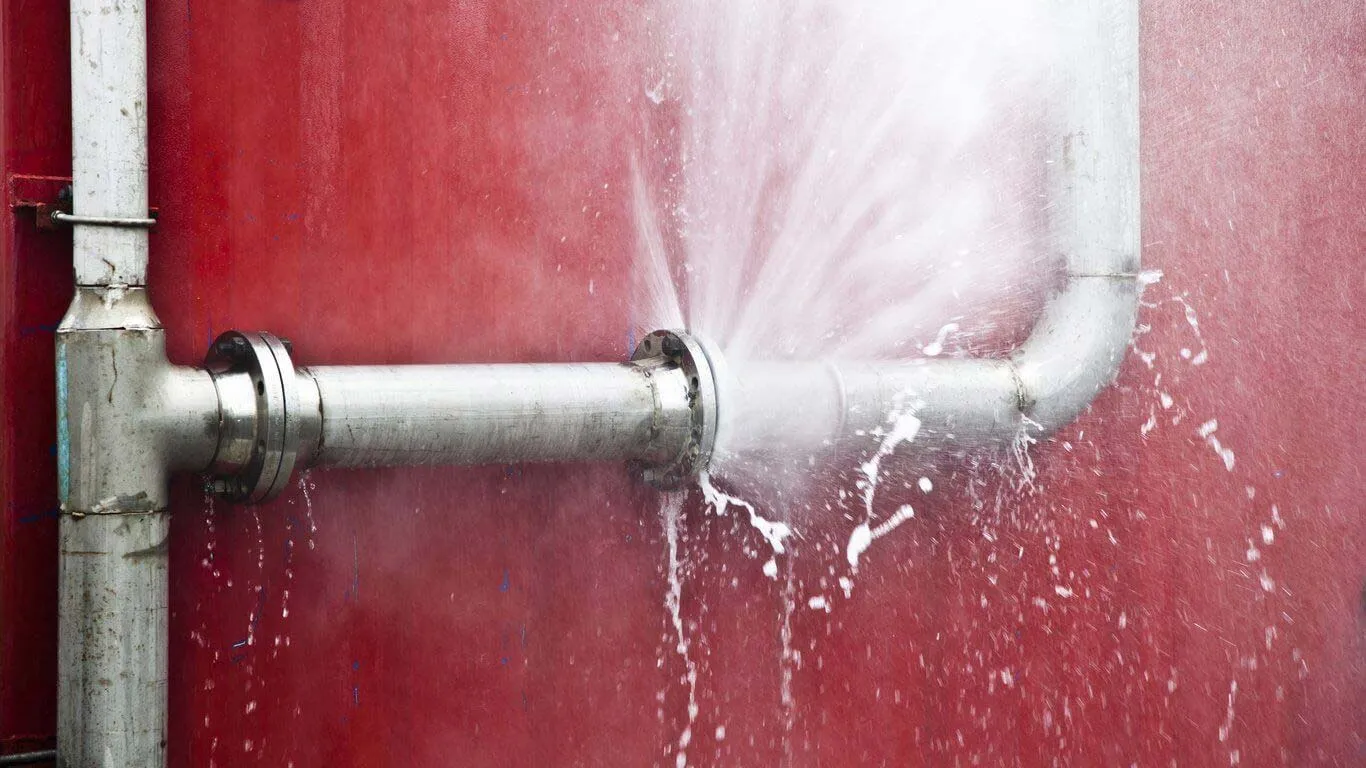
Water Damage Restoration
Burst pipes, appliance leaks, and flooding. We extract, dry, and document every reading for your insurer.

After a fire, the flames are only part of the damage — smoke and soot have already spread through the house, and water from putting it out is soaking in. Paul Davis handles fire and smoke damage restoration in Ocala around the clock, starting with an emergency board-up to secure your home and stop the damage from getting worse overnight.
A Paul Davis dispatcher will call you within minutes. Keep your phone nearby.
Need to talk now? Call us directly
Also serving Belleview, Dunnellon, Silver Springs, Summerfield, and all Marion County communities.
Most Ocala fires start in the predictable places. A kitchen fire or a grease fire on the stovetop is the leading cause, here as everywhere. Older downtown homes and aging Silver Springs Shores houses carry the added risk of an electrical fire from worn wiring or an overloaded panel. And Marion, Sumter and Lake Counties sits in what meteorologists call Lightning Alley — among the highest lightning-strike densities in the country — so a lightning strike to a roof or service line setting off an attic or electrical fire is a genuinely local hazard, not a freak event.
There is also the wildland edge. Marion County wraps around the Ocala National Forest, and in the spring dry season brush fires push smoke into homes for miles — even houses that never see a flame can need smoke and soot cleanup and serious odor work. Whatever started it, the residue is the real project: smoke damage gets into ductwork, wall cavities, and contents far from the burn, and the smell of smoke lingers for months if it isn't removed at the source.
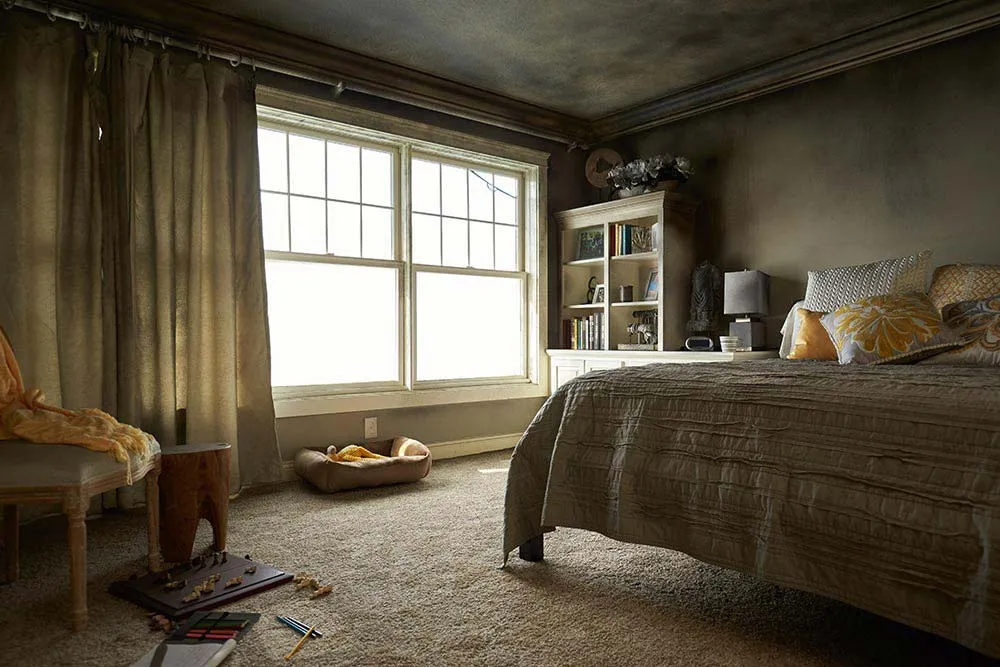
Fire and smoke damage restoration in Ocala is a sequence, and the order matters: secure the structure, stop secondary damage, then clean soot and remove odor the right way before any rebuild. Paul Davis is a certified restoration company that handles the whole arc — board-up through reconstruction — and documents it for your insurer. That single point of accountability is what keeps a fire recovery from dragging on for months.
I had a pipe leak in my kitchen and they arrived within an hour to dry everything up. They worked with my insurance company and completed the repairs quickly and around my schedule.
Every restoration job starts with understanding the local conditions that made it worse. These are the factors our crews see repeatedly across Ocala properties.
A grease fire leaves protein residue that coats every surface with a nearly invisible film and an intense odor. We clean to the residue type rather than just wiping the visible soot, because the smell lives in what you can't see.
Worn wiring and overloaded panels in older downtown and mid-century homes raise the risk of an electrical fire, which often starts inside a wall and spreads smoke through cavities before flames are visible. We map the full smoke path, not just the charred area.
Ocala sits in Lightning Alley, and a lightning strike to a roof or service line can ignite an attic or electrical fire. These fires push dry smoke far through the structure and the HVAC system, which is exactly where odor hides if it isn't addressed.
Dry-season brush fires near the forest can fill homes with smoke even without a structure fire, leaving soot on surfaces and odor in soft goods and ductwork. We handle smoke-only losses with the same residue-specific cleaning and odor neutralization.
In any Ocala fire, the air handler pulls smoke and soot into the ductwork and redistributes it through rooms the fire never reached. We clean the system so the home isn't re-coated every time the AC runs.
Certified restoration technicians on every job, direct insurance billing, and daily updates from first assessment through final walkthrough.
We respond 24/7 to secure the structure first — board openings, tarp the roof, and shut down the spread of soot and moisture so a bad day doesn't get worse overnight. Then the restoration work begins.
We map how far smoke and soot traveled — including through the HVAC system and into wall cavities far from the fire — and identify the residue types, because each one cleans differently.
Surfaces, contents, and ductwork are cleaned with methods matched to the residue. Smoke and soot get into everything, so the cleaning reaches well beyond the visibly burned area.
We remove smoke odor at the source with thermal fogging, hydroxyl or ozone treatment, and air scrubbing — not air freshener over the top of it. The goal is air that doesn't smell like the fire.
We rebuild and refinish the affected areas, seal where needed, and verify the home is clean and the odor is gone before we call it done.
In Depth — Ocala
From fast, high-temperature fires. The residue is powdery and dry, but it travels the farthest — pushed deep into cracks, wall cavities, and the HVAC system by the heat.
Ocala's faster house fires and lightning-ignited attic fires leave dry smoke that travels through the whole structure, which is why our cleaning reaches rooms far from the burn.
From low-heat, smoldering fires. The residue is thick, sticky, and smeary, with a strong odor that is difficult to clean and easy to smear deeper if handled wrong.
A smoldering electrical fire in an older Ocala home leaves sticky wet smoke residue that requires careful, residue-specific cleaning to avoid smearing it deeper.
From cooking and grease fires. The film is nearly invisible but carries an intense, persistent odor and coats every surface in the room and beyond.
The everyday Ocala kitchen fire leaves protein residue — barely visible, but the source of the lingering smoke odor homeowners notice for months if it isn't neutralized.
A fire leaves more than a smell behind, and that is why proper cleanup matters for the people moving back in. Soot is fine particulate that lodges in the lungs, and smoke residue carries compounds — including, depending on what burned, irritants and carcinogens — that settle onto surfaces and into soft goods, ductwork, and insulation. For anyone managing asthma or a respiratory condition, and for children and older residents, moving back into a home that was cleaned only cosmetically means ongoing exposure to what the fire left in the air. Paul Davis cleans to the residue type, addresses the HVAC system that recirculates contaminants, and neutralizes odor at the source rather than masking it, so the home is genuinely safe to occupy again — not just repainted.
Paul Davis is a certified restoration company, and the crews handling fire and smoke damage restoration in Ocala work to recognized IICRC fire and smoke restoration standards. Our technicians are trained in soot and residue cleaning, odor neutralization, and the documentation insurers require, and every job carries general liability and workers' compensation coverage for the protection of Marion County property owners. Because we handle board-up, cleanup, and reconstruction under one roof, there is a single point of accountability from the first night through the final walkthrough.
What to tell us when you call
Type of damage — general location in the home — whether the source is still active — whether the building is safe to enter. We handle everything else.
A fire in an Ocala business — a restaurant, a retail space along the I-75 corridor, an office or medical suite — is a race against business interruption as much as a cleanup. Smoke and soot spread through commercial HVAC systems and into inventory, and the odor can keep a space closed long after the visible damage is handled. We secure the building, clean to the residue type, run odor neutralization sized to the space, and coordinate with property managers and commercial adjusters to get the doors open again as quickly as the work allows.
Paul Davis keeps commercial fire-response protocols ready for Marion County business owners and property managers.
People picture fire damage as charred framing, but in most Ocala house fires the flames are contained to one area while smoke and soot spread through the entire home — and that spread is the bigger restoration job. Heat drives smoke into wall cavities, under doors, and through the return-air system, so soot ends up coating closets, drawers, and rooms the fire never touched. The residue is also chemically active: left in place, it etches metal, yellows surfaces, and corrodes electronics within days. That is why our first moves are to secure the structure and assess how far the smoke traveled, then clean to the specific residue type. The visible burn is often the smallest part of the scope; the soot and the smell of smoke in everything else is the real work.
Two regional factors shape fire risk around Ocala beyond the usual kitchen and electrical causes. The first is lightning: Florida records some of the densest lightning activity in the United States, and a single strike to a roof, a tree, or a service line can start an attic or electrical fire — or surge through the wiring and ignite something inside a wall. The second is wildfire. Marion County borders the Ocala National Forest, and in the spring dry season brush fires can push smoke across neighborhoods, leaving soot and a stubborn odor in homes that never came near a flame. Both produce the same restoration need: residue-specific cleaning, HVAC decontamination, and odor neutralization at the source. We handle smoke-only losses as readily as structure fires.
Long after the soot is cleaned, the smell of smoke is what tells a family the fire isn't really behind them — and it is the part most often done wrong. Masking agents and air fresheners cover odor for a few days, then it returns, because the source is still in the ductwork, the insulation, the soft goods, and the porous surfaces that absorbed it. Real odor removal means neutralizing those sources: thermal fogging that penetrates the same pathways the smoke took, hydroxyl or ozone treatment, sealing where needed, and cleaning or replacing the materials that hold odor. We don't sign off until the home smells like a home, not like a fire — because to an Ocala family moving back in, that is the difference between recovered and not.
A fire claim is one of the most complex an Ocala homeowner will ever file — structure, contents, additional living expenses, and odor all in play — and documentation drives how smoothly it resolves. From the first night's board-up, Paul Davis builds the record an adjuster needs: photos of the damage, a room-by-room contents inventory, the scope of cleaning and reconstruction, and a line-item estimate. Because we handle the whole job from emergency securing through rebuild, nothing falls through the cracks between a cleanup company and a contractor. We can't change your policy limits, but we can make sure the loss is documented thoroughly enough that the claim reflects everything the fire actually cost you.
Fire damage is genuinely urgent — an unsecured structure invites weather, theft, and worsening soot damage overnight. We dispatch 24/7 across Ocala and adjust routing for Belleview, Silver Springs, Summerfield, Dunnellon, and Anthony, arriving to board up and tarp first so the home is secure before cleanup begins. The faster soot is contained, the more of your home and belongings we can save rather than replace.
Florida Emergency Hotline — 24 hours a day
Request a Free Estimate →Burst pipes, appliance leaks, and flooding. We extract, dry, and document every reading for your insurer.
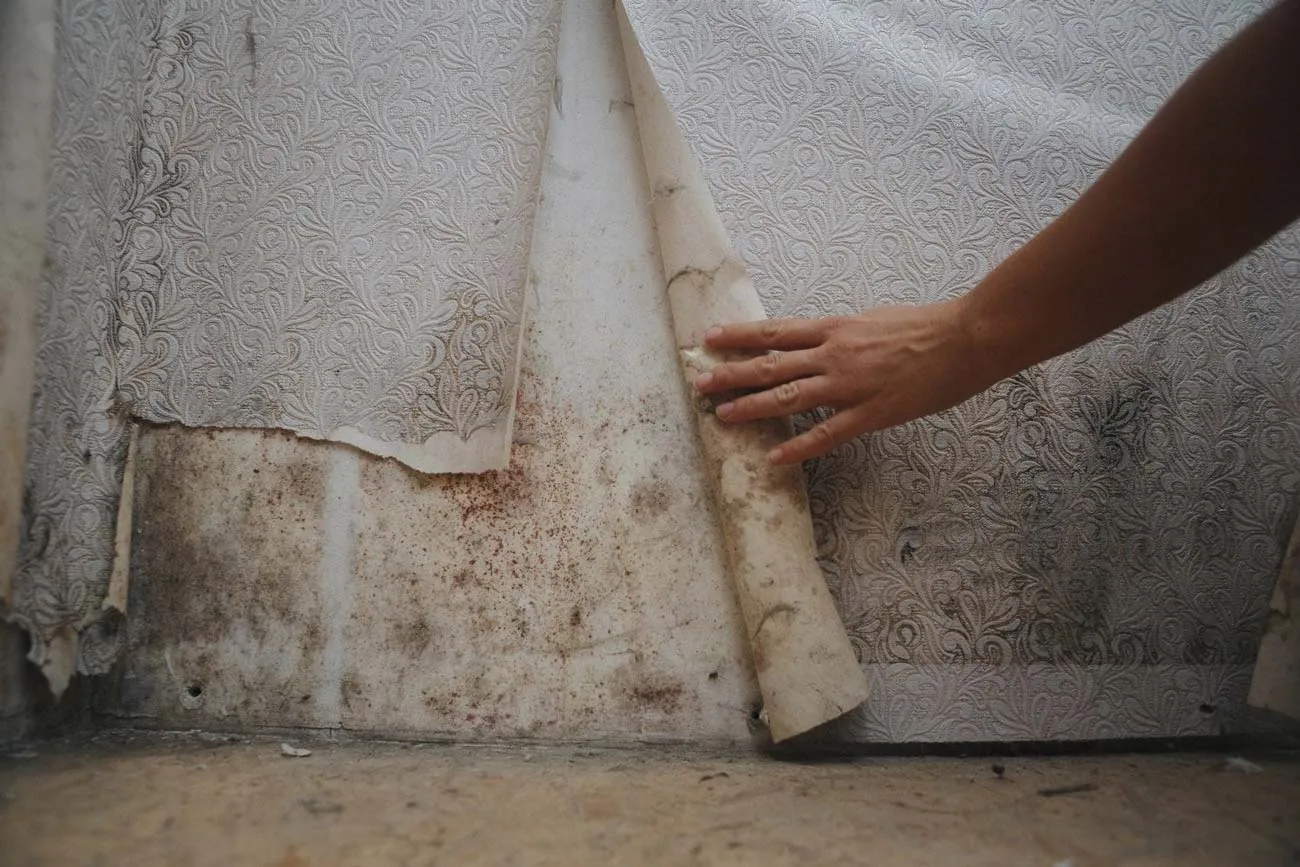
Containment, removal, and prevention — from hidden growth to whole-house remediation.
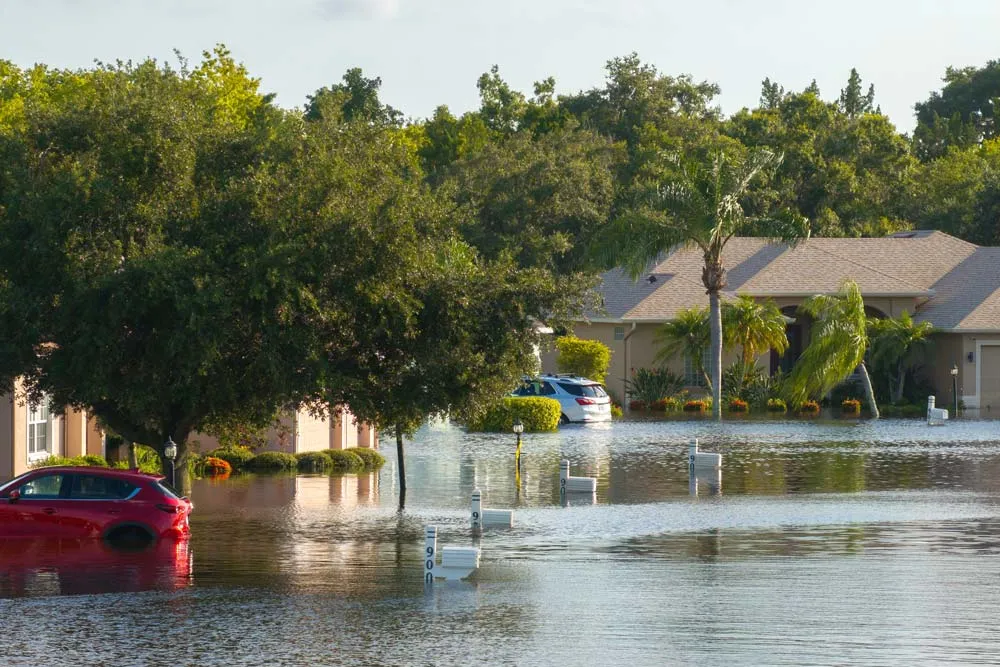
Hurricane, tornado, hail — emergency tarping, board-up, and full structural restoration.
From framing to finish — drywall, flooring, cabinetry, paint. One contractor, start to finish.
After major damage in Ocala, you may need to reach a local department — the building office for permits and structural inspections, the health department for mold or contamination questions, or fire-rescue for a fire-damage assessment. Here are the offices serving Ocala. Paul Davis is always one call away and can help you navigate the process.
Health Department
Florida Dept of Health — Marion County
1801 SE 32nd Ave, Ocala, FL 34471
(352) 629-0137Contact information is accurate to the best of our knowledge at time of publication. Paul Davis Restoration is not responsible for changes to agency contact information, hours, or services. For the most current information please contact the agency directly.
Once the fire department clears the scene, don't re-enter to clean — soot is hazardous and improper cleaning smears residue deeper. Call us for an emergency board-up; we secure the structure 24/7 so weather and theft don't add to the loss, then assess the smoke and soot spread. The faster the home is secured and soot is contained, the more we can save.
Much more can be saved than people expect. We clean contents to the residue type — electronics, furniture, clothing, and documents often recover with the right methods — and we inventory everything for your claim. Items that truly can't be restored are documented so they're covered. The key is acting before soot has days to etch and corrode.
Because the odor source was never addressed. The smell of smoke lives in ductwork, insulation, soft goods, and porous surfaces, and surface cleaning or air freshener only masks it. Real odor removal neutralizes the source with thermal fogging, hydroxyl or ozone treatment, and sealing. We don't consider a job done until the smoke odor is genuinely gone.
Almost always. Heat pushes smoke and soot through wall cavities, under doors, and through the HVAC system into rooms the fire never reached, so the cleaning scope is usually much larger than the visible burn. We map how far it traveled and clean the ductwork so the home isn't re-coated when the AC runs.
Fire is a covered peril on standard Florida homeowner policies, typically including structure, contents, smoke and odor cleanup, and additional living expenses while you're displaced. We document the full loss and coordinate directly with your adjuster. Lightning-caused fires are covered as well; we note the cause as part of the record.
Both. Paul Davis takes a fire job from the emergency board-up through soot and odor removal and into full reconstruction — framing, drywall, finishes — so there's one accountable team and no gap between the cleanup company and the contractor. That continuity is a major reason fire recoveries go faster with us.
It depends on the size of the fire and how far the smoke spread. Cleanup and odor work on a contained fire may take days to a couple of weeks; jobs that include structural reconstruction run longer. After the assessment we give you a realistic timeline and keep you updated as the work moves.
Call now — we dispatch 24/7 for emergency board-up, then handle soot, odor, and reconstruction as one team. The sooner we secure the home, the more we can save.