

Water Damage Restoration
Burst pipes, appliance leaks, and flooding. We extract, dry, and document every reading for your insurer.

A musty smell in a newer home often surprises people — mold isn't only an old-house problem. Paul Davis handles mold remediation in Clermont the right way — find the moisture feeding it, contain the area so spores don't spread, remove what's affected, and verify the space is clear before closing it back up.
A Paul Davis dispatcher will call you within minutes. Keep your phone nearby.
Need to talk now? Call us directly
Also serving Minneola, Groveland, Mascotte, and Leesburg, and all Lake County communities.
Clermont's homes are newer — the median was built around 2005 — and that shifts where mold appears. Instead of decaying old structure, the drivers here are the tight, energy-efficient construction that traps humidity, AC condensate and HVAC issues, and the leaks that hide in two-story floor plans. A second-floor supply line or a roof leak can track moisture down inside a wall, feeding mold across more than one level before anyone sees a stain.
The humidity does the rest. Clermont sits among the lakes and hills of south Lake County, and lake-area humidity keeps indoor moisture elevated for much of the year — so bathroom mold, closet spotting, and attic mold all find footholds where air doesn't move. Newer doesn't mean immune; it means the mold hides in different places. And at our humidity, a surface cleanup that ignores the source just buys a few weeks.
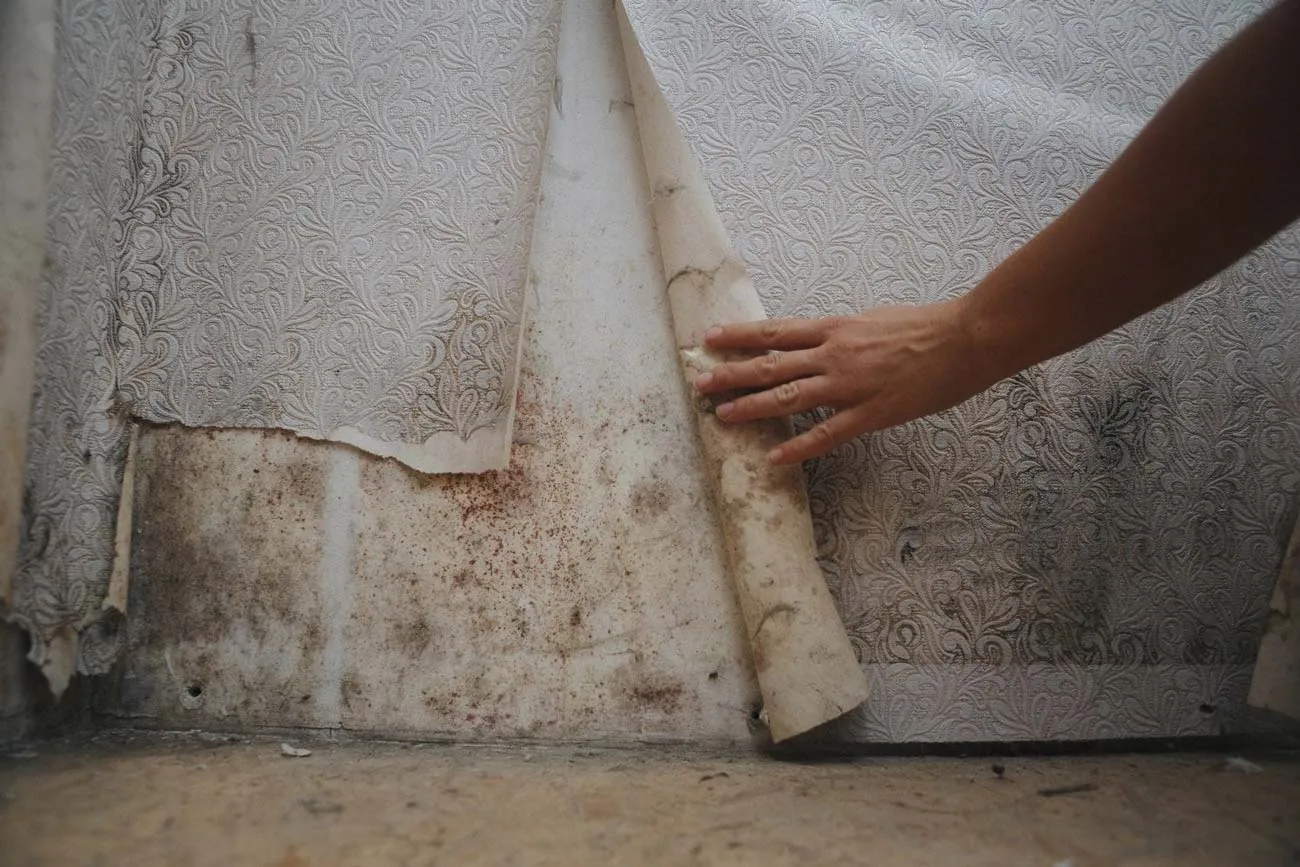
Mold remediation in Clermont is only as good as the moisture work behind it — and in tight, newer homes the moisture is often hidden in walls and ductwork. Paul Davis is a certified restoration company that finds and corrects the source, contains the work so spores don't travel, and verifies the result. That discipline is the difference between a lasting fix and a cosmetic one.
They came and did the work and were gone. Very professional, know what they are doing, and cleanup like they were never here. They had it done in a week. I would highly recommend Paul Davis Restoration to anyone.
Every restoration job starts with understanding the local conditions that made it worse. These are the factors our crews see repeatedly across Clermont properties.
Clermont's post-2000 homes are built to seal in conditioned air, which also traps humidity where airflow is poor — closets, bathrooms, exterior corners. We correct the moisture and airflow condition, not just the visible mold, so it doesn't return.
An oversized or short-cycling system cools without removing enough humidity, and a leaking condensate line wets wall cavities — both feed mold, and once it reaches the ductwork the air handler spreads spores. We treat HVAC mold and the moisture behind it.
A second-floor leak can travel down inside walls and feed mold across two levels before a stain appears. We map the full vertical path of the moisture and remediate everywhere it actually went.
Clermont's lakes and hills keep ambient humidity high, so interior surfaces without airflow stay damp enough for mold. Correcting the humidity condition is part of a remediation that lasts.
Even newer roofs leak, and a Clermont attic runs hot and humid, making attic mold a common find. We locate the intrusion and remediate the growth it fed rather than treating the symptom.
Certified restoration technicians on every job, direct insurance billing, and daily updates from first assessment through final walkthrough.
We don't treat mold without finding what's feeding it. Thermal imaging and moisture meters locate the water source — a leak, condensation, or intrusion — because remediation that skips the source just grows back.
We seal the work area and run HEPA-filtered negative air so spores don't spread to clean parts of the home during removal — the step that separates real remediation from a bleach-and-pray cleanup.
Porous materials that mold has colonized — drywall, insulation, trim — are removed and bagged inside containment. Salvageable surfaces are cleaned rather than discarded where appropriate.
Every surface in the containment is HEPA-vacuumed and treated with an antimicrobial, and the air is scrubbed, bringing the space back toward a normal fungal ecology.
We confirm the work with post-remediation verification and correct the moisture condition that started it, so the area stays dry and clear after the containment comes down.
In Depth — Clermont
Visible growth on walls, grout, or trim from localized humidity or condensation. Cleanable early — but the moisture cause must be corrected.
In Clermont's tight newer homes this is the bathroom and closet mold that appears where conditioned air doesn't circulate, especially against exterior walls.
Mold that has entered the HVAC system or spread across the home, distributing spores when the air handler runs. Requires containment and air scrubbing.
With Clermont homes relying on AC for humidity control, mold in the ductwork is a common and fast-spreading problem, particularly where a condensate line has been leaking.
Mold is an indoor-air problem as much as a building one, and in Clermont's tight, newer homes spores recirculate efficiently through the conditioned air — which raises exposure for the people inside. Mold growth releases spores and irritants that aggravate asthma, allergies, and other respiratory conditions. Containment matters because disturbing mold without it sends spores through the home and the HVAC system, turning a localized issue into a whole-house one — a real risk in a sealed modern home. Paul Davis works inside sealed containment under negative air pressure, removes affected porous materials rather than concealing them, HEPA-cleans the space, and scrubs the air, so the result protects the household.
Paul Davis is a certified restoration company, and the crews handling mold remediation in Clermont work to IICRC S520 standards — the recognized standard for professional mold remediation. Our technicians are trained in containment, HEPA cleaning, and moisture control, and every job carries general liability and workers' compensation coverage for the protection of Lake County property owners. The practical payoff: the remediation is verified and the moisture source corrected, so the problem is solved rather than postponed.
What to tell us when you call
Type of damage — general location in the home — whether the source is still active — whether the building is safe to enter. We handle everything else.
The retail and restaurants along Highway 50, the medical offices serving south Lake County, and the hotels and training facilities tied to Clermont's athletic reputation all face commercial mold from roof leaks, HVAC humidity, and undried water losses. Commercial mold carries occupant-health complaints and business interruption a home doesn't. We contain and remediate with minimal disruption, coordinate with property managers and adjusters, and document the work and moisture correction so the space returns to normal use with confidence.
Paul Davis keeps commercial mold protocols ready for Clermont business owners and property managers.
People assume a newer home is safe from mold, but Clermont proves otherwise — it just hides in different places. The tight, energy-efficient construction that keeps power bills down also traps humidity where airflow is poor, and the lake-area climate keeps ambient moisture high. Add the slab-era moisture sources — a slab leak, an AC condensate line backing up, a roof leak into a hot attic — and mold has what it needs. Because these homes are sealed, once spores are airborne the HVAC system recirculates them efficiently. That's why our remediation always starts at the source: correct the leak or humidity condition, or the mold returns no matter how clean the wall looks.
A lot of Clermont's newer housing is two stories, and that geometry creates a particular mold risk. A second-floor supply line, toilet, or washing-machine leak can travel down inside wall cavities and feed mold across both levels before a stain ever appears on a ceiling. The same is true of a roof leak that tracks down a wall. By the time the damage is visible, the affected area can be far larger than it looks. A proper mold inspection with moisture mapping follows the water's actual path through the structure, so the remediation covers everywhere it went — not just the room where the spotting showed up.
Surface spray and a wipe-down feel like a fix, but in Clermont they fail twice. They leave the moisture source — a leak, an HVAC humidity problem — so the mold returns, and scrubbing dry mold without containment lifts spores into the sealed home's air and ductwork, spreading it efficiently. Professional containment, negative air, material removal, HEPA cleaning, and verification exist to prevent both. In a tight modern home, that thoroughness matters because the air recirculates so well. The goal is a verified return to normal fungal ecology with the moisture corrected — not a repainted wall.
In Clermont's active housing market, mold surfaces in inspections at sale, and buyers of newer homes don't expect it — which makes a documented remediation all the more valuable. A professional, verified mold remediation is worth far more than a cosmetic cleanup a buyer's inspector can detect. Paul Davis provides the documentation — moisture findings, scope, and clearance verification — that gives buyers, agents, and adjusters confidence the issue was genuinely resolved. That proof protects the value of a home you may well sell into a competitive market.
When you call us out, the visit starts with a mold inspection rather than a quote to start demolition — and in Clermont's tight, newer homes that inspection matters because the moisture hides in places people don't expect. We walk the home with moisture meters and thermal imaging, following the water's path rather than the visible stain. In Clermont that means the bathroom mold where conditioned air doesn't circulate, the attic mold under a roof that has leaked, and especially the HVAC system, where mold in the ductwork both reflects the home's humidity problem and recirculates spores through every sealed room. In two-story floor plans we trace whether an upstairs leak has fed growth down inside the walls to the ground floor. We probe behind cabinets and baseboards for slab-leak moisture. If the growth looks like black mold, we don't identify the species by eye; we treat any significant colony to the same professional standard, because the containment and removal process is identical regardless of color, and we arrange laboratory testing only when it will change the plan. What you get is a clear, written scope: where the mold is, what is feeding it, what must be removed versus cleaned, and how we will verify the space is clear. In a competitive, newer-home market where buyers don't expect mold, that documented inspection and remediation are worth far more than a wall that merely looks clean.
Mold grows every day the moisture runs, and in a sealed modern home spores recirculate fast. We respond quickly across Clermont and adjust routing for Minneola, Groveland, Mascotte, and the Four Corners area, starting with inspection and moisture diagnosis. If you're smelling mold or had a leak, call before disturbing anything so we can contain it properly.
Florida Emergency Hotline — 24 hours a day
Request a Free Estimate →Burst pipes, appliance leaks, and flooding. We extract, dry, and document every reading for your insurer.
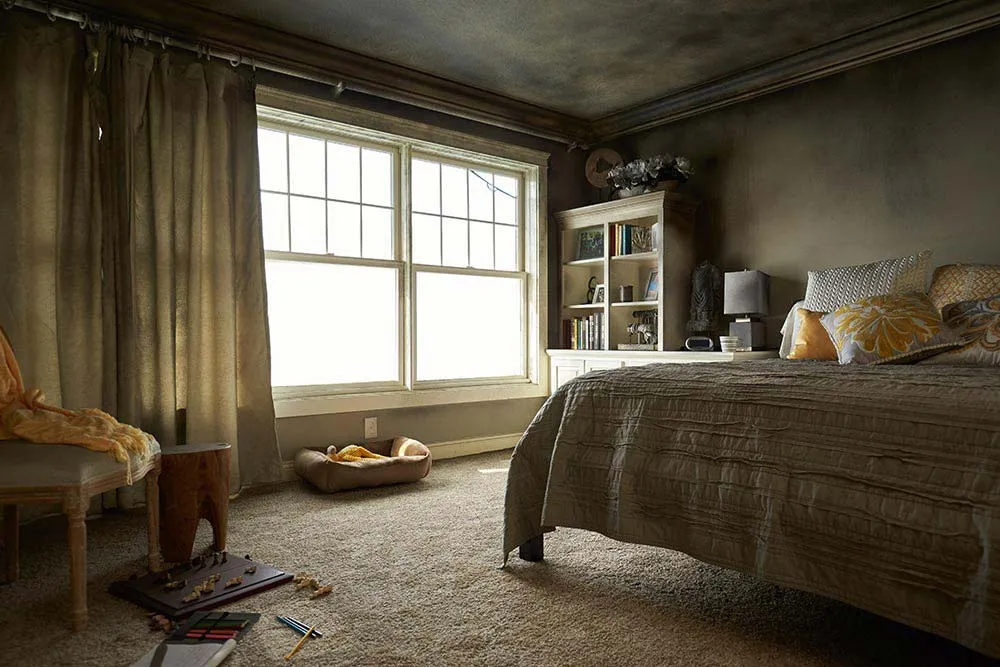
Soot removal, odor neutralization, structure cleaning, and contents pack-out.

Hurricane, tornado, hail — emergency tarping, board-up, and full structural restoration.
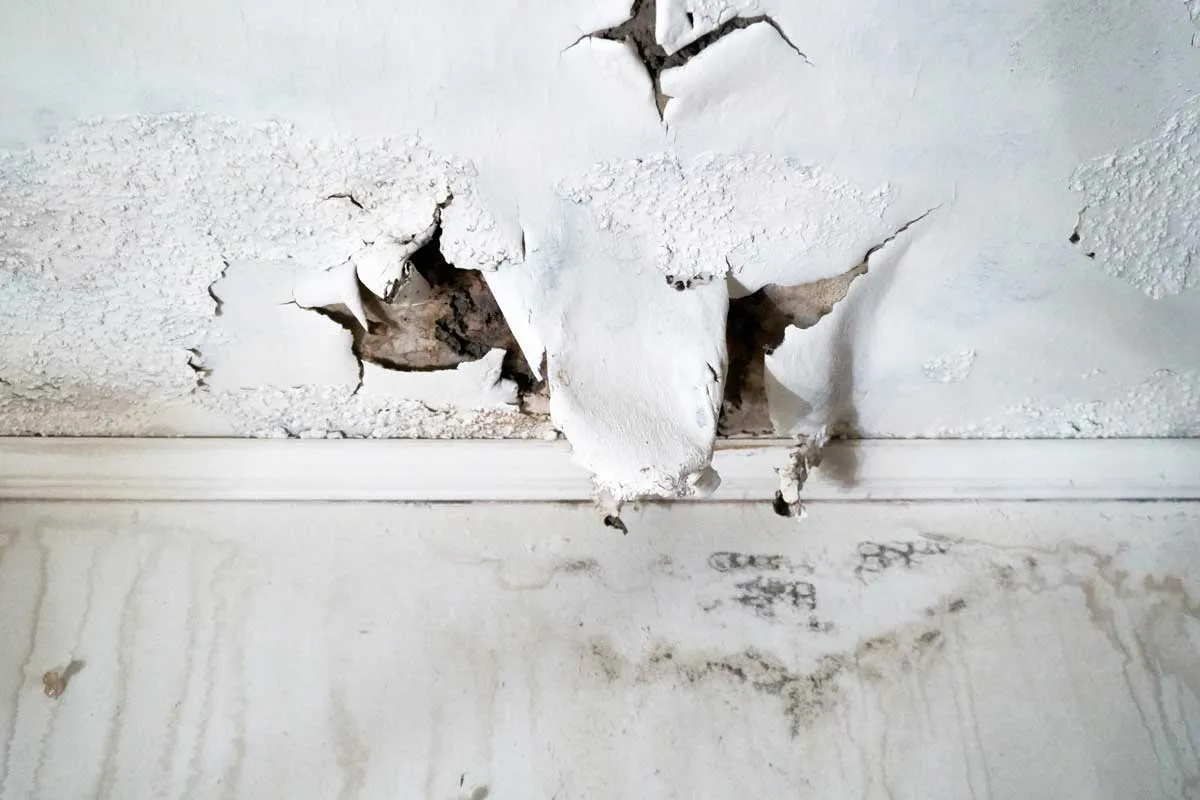
From framing to finish — drywall, flooring, cabinetry, paint. One contractor, start to finish.
After major damage in Clermont, you may need to reach a local department — the building office for permits and structural inspections, the health department for mold or contamination questions, or fire-rescue for a fire-damage assessment. Here are the offices serving Clermont. Paul Davis is always one call away and can help you navigate the process.
Building Department
City of Clermont Building Services
685 W Montrose St, Clermont, FL 34711
(352) 241-7315Health Department
Florida Dept of Health — Lake County
2113 Griffin Rd, Leesburg, FL 34748
(352) 589-6424Contact information is accurate to the best of our knowledge at time of publication. Paul Davis Restoration is not responsible for changes to agency contact information, hours, or services. For the most current information please contact the agency directly.
Newer homes aren't immune; they just trap moisture differently. Tight, energy-efficient construction holds humidity where airflow is poor, and slab leaks, AC condensate problems, and roof leaks all feed mold. Because the home is sealed, the HVAC system recirculates spores efficiently once they're airborne. We find and correct the moisture source as part of the remediation.
Yes — it's common in Clermont's two-story homes. A second-floor leak can travel down inside walls and feed mold across both levels before any stain appears. We use moisture mapping to follow the water's full path so the remediation covers everywhere it actually went, not just the visible spot.
A minor surface spot can sometimes be cleaned, but DIY leaves the moisture source so it returns, and scrubbing without containment spreads spores through a sealed home's air and ductwork especially fast. Anything beyond a small patch is worth a professional remediation.
Yes. In Clermont's AC-dependent homes, mold in the ductwork is a common finding and a fast spreader. We inspect the system as part of the job and address it within containment so the air isn't recontaminated after the work.
It depends on the cause. Many Florida policies cover mold resulting from a covered, sudden water loss but exclude mold from long-term humidity or maintenance issues, and some cap mold coverage. We document the source and work thoroughly so a covered claim has support.
Rather than guess from color, we contain and remediate any significant growth to professional standard regardless of species — the precautions and process are the same. Testing can be arranged if warranted.
A contained surface remediation may take a day or two; mold that has spread between floors or into the HVAC system takes longer. We provide a scope after the inspection and verify the result with post-remediation testing before reopening the area.
Call now for a certified mold inspection and remediation. We find the moisture feeding it, contain the work, and verify the result — so it's solved, not postponed.