
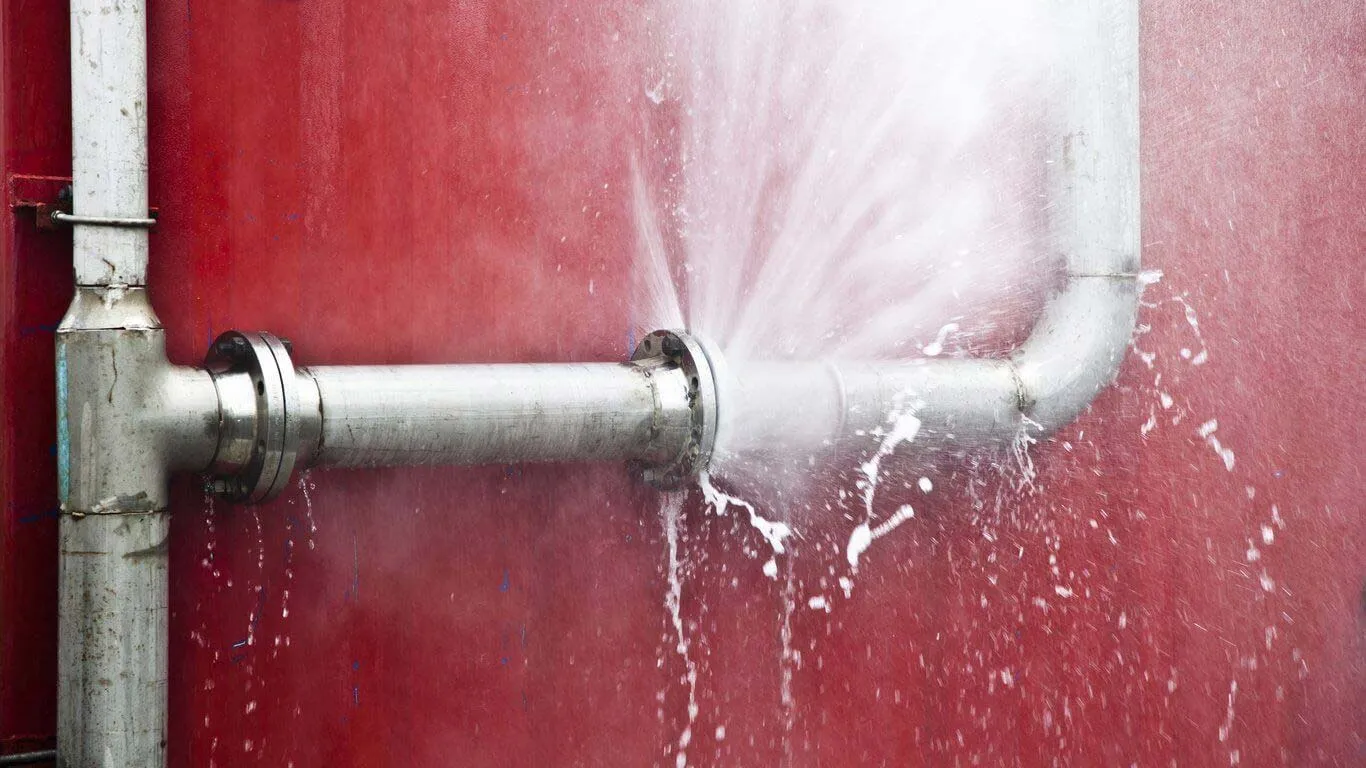
Water Damage Restoration
Burst pipes, appliance leaks, and flooding. We extract, dry, and document every reading for your insurer.

If you can smell it in the hallway or see it creeping up a bathroom wall, mold has usually been working for a while. Paul Davis handles mold remediation in Ocala the right way — find the moisture feeding it, contain the area so spores don't spread, remove what's affected, and verify the space is clear before we close it back up.
A Paul Davis dispatcher will call you within minutes. Keep your phone nearby.
Need to talk now? Call us directly
Also serving Belleview, Dunnellon, Silver Springs, Summerfield, and all Marion County communities.
Mold is a humidity problem before it's a cleaning problem, and Ocala supplies the humidity in abundance. The wet season pushes indoor moisture up for months, and that's all it takes: mold growth can begin on damp drywall, baseboards, and subfloor within 24 hours. We see it most often after a water event that wasn't fully dried — but also from the slow sources, like an HVAC system that runs the humidity up, a roof that's been leaking quietly into the attic, or a bathroom that never quite dries out.
Where it shows up tracks with how Ocala homes are built. In the older downtown houses, hidden wall cavities and limited vapor barriers give moisture places to hide. In the slab homes of Silver Springs Shores and Marion Oaks, attic mold and HVAC mold are the common calls, and on properties with well water and septic in the outlying areas, a backup or a long-running leak can seed mold fast. Whatever the source, surface scrubbing alone doesn't fix it — and at our humidity, what you don't remove comes back.
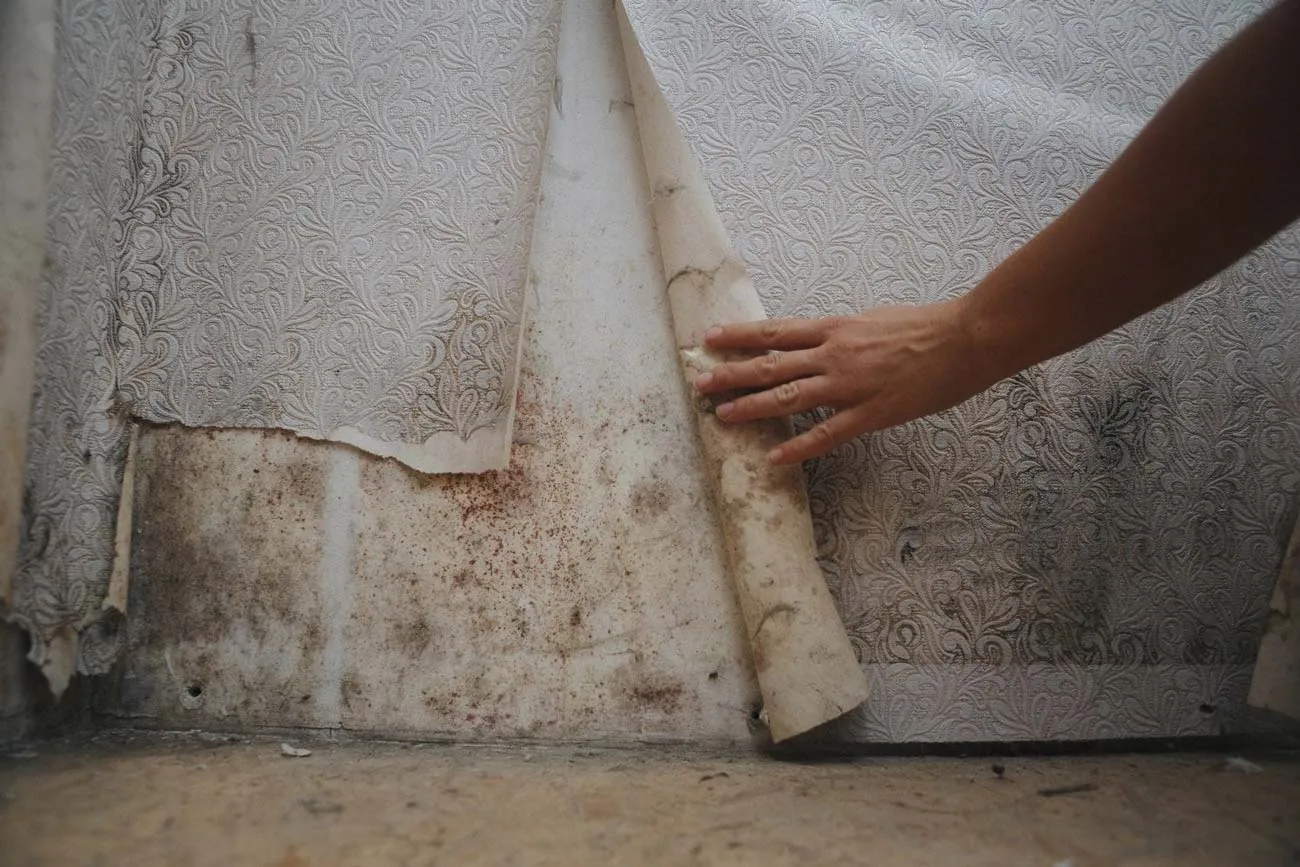
Mold remediation in Ocala is only as good as the moisture work behind it — kill the growth and leave the leak, and you'll see it again in a month. Paul Davis is a certified restoration company that finds and corrects the source, contains the work so spores don't travel through your home, and verifies the result. That discipline is the difference between a real remediation and a cosmetic one.
Had a foundation leak, my flooring had to be taken up and replaced, as well as the kitchen. Though the process was long, due to insurance, Paul Davis kept fighting to get things right. Thank you to Tammy, John, Jeff and crew that made it all happen.
Every restoration job starts with understanding the local conditions that made it worse. These are the factors our crews see repeatedly across Ocala properties.
Ocala's humidity keeps indoor moisture elevated for much of the year, so mold growth can begin within 24 hours wherever a surface stays damp. We don't just clean what's visible — we lower and control the moisture so it doesn't simply return.
A leak or flood that got mopped up but not dried to standard is the most common mold source we see. We confirm the structure is genuinely dry, then remediate, so we're not sealing active growth inside a wall.
Ocala attics and ductwork run hot and damp, and an oversized or leaking system raises indoor humidity instead of controlling it — feeding attic mold and HVAC mold. We address the moisture condition, not just the colony.
Original wall assemblies and limited vapor barriers in Ocala's older housing give moisture more places to hide, so growth is often well established behind the surface before it's visible. A proper mold inspection finds the full extent.
On Marion County's well-and-septic properties, a septic backup or a long-running plumbing leak can seed mold quickly and quietly. Those Category 3 situations need containment and antimicrobial treatment, not a surface wipe.
Certified restoration technicians on every job, direct insurance billing, and daily updates from first assessment through final walkthrough.
We don't treat mold without finding what's feeding it. Thermal imaging and moisture meters locate the water source — a leak, condensation, or intrusion — because remediation that skips the source just grows back.
We seal the work area and run HEPA-filtered negative air so spores don't spread to clean parts of the home during removal — the step that separates real remediation from a bleach-and-pray cleanup.
Porous materials that mold has colonized — drywall, insulation, trim — are removed and bagged inside containment. Salvageable surfaces are cleaned rather than discarded where appropriate.
Every surface in the containment is HEPA-vacuumed and treated with an antimicrobial, and the air is scrubbed, bringing the space back toward a normal fungal ecology.
We confirm the work with post-remediation verification and correct the moisture condition that started it, so the area stays dry and clear after the containment comes down.
In Depth — Ocala
Visible growth on a non-porous or semi-porous surface, usually driven by a localized humidity or condensation problem. Cleanable when caught early — but the moisture cause has to be corrected.
In Ocala this is the classic bathroom mold on grout and trim, or spotting on a closet wall against an exterior corner — common where humidity runs high and air doesn't move.
Mold that has moved into the HVAC system or spread across multiple areas, distributing spores through the home every time the air handler runs. Requires containment and air scrubbing.
With Ocala's reliance on air conditioning for humidity control, mold in the ductwork is a recurring problem — and the fastest way to spread spores into otherwise clean rooms.
Mold isn't just a building problem in Ocala — it's an indoor-air problem, and that's why it's worth doing right. Mold growth releases spores and, in some species, compounds that irritate the airways, and for anyone in the home managing asthma, allergies, COPD, or a weakened immune system, prolonged exposure can be a genuine health concern. The reason containment matters so much is that disturbing mold without it sends spores airborne and spreads the problem to clean rooms — turning a contained issue into a whole-house one. Paul Davis works inside sealed containment under negative air pressure, removes affected porous materials rather than painting over them, HEPA-cleans the space, and scrubs the air, so what you're left with is genuinely remediated rather than hidden behind fresh paint.
Paul Davis is a certified restoration company, and the crews handling mold remediation in Ocala work to IICRC S520 standards — the recognized standard for professional mold remediation. Our technicians are trained in containment, HEPA cleaning, and moisture control, and every job carries general liability and workers' compensation coverage for the protection of Marion County property owners. The practical payoff: the remediation is verified and the moisture source is corrected, so the problem is solved rather than postponed.
What to tell us when you call
Type of damage — general location in the home — whether the source is still active — whether the building is safe to enter. We handle everything else.
Commercial mold in Ocala carries risks a home doesn't — occupant health complaints, potential liability, and business interruption while an area is closed off. Medical offices, schools, restaurants, and retail along the I-75 corridor all face mold from roof leaks, chronic HVAC humidity, and undried water losses. We contain and remediate with minimal disruption, coordinate with property managers and adjusters, and document the work and the moisture correction so the building can be returned to normal use with confidence.
Paul Davis keeps commercial mold protocols ready for Marion County business owners and property managers.
Mold needs three things — moisture, a food source, and time — and Ocala hands it the moisture for free. The wet season keeps humidity high for months, and the building materials in any home (drywall paper, wood, dust) supply the food, so the only variable a homeowner really controls is time and moisture. That's why our remediation always starts at the source: an HVAC system that runs humidity up instead of down, a roof leak quietly wetting the attic, a plumbing leak behind a wall, or a water loss that was mopped but never dried. Clean the visible mold without fixing that, and you've bought a few weeks at most. Correct the moisture and remediate properly, and the space stays clear.
The pattern in Ocala follows the construction. Bathrooms and laundry rooms — anywhere humidity spikes and air doesn't move — show surface mold first. Attics across Marion County run hot and damp and are a frequent home for attic mold, especially under a roof that has leaked. HVAC systems are the quiet spreader: when mold gets into the ductwork, every cycle of the air handler distributes spores through the house. And in the older downtown homes, hidden cavity growth behind walls and under floors is common, usually announced by a musty smell before anything is visible. A thorough mold inspection maps all of it before any work begins, so the scope matches reality.
It's tempting to hit visible mold with store-bought spray and move on, but that approach fails in Ocala for two reasons. First, it ignores the moisture source, so the growth returns. Second, scrubbing dry mold without containment sends spores airborne, spreading the problem into clean rooms and the HVAC system. Professional containment, negative air, removal of affected materials, HEPA cleaning, and post-remediation verification exist precisely to avoid both failures. The goal isn't a clean-looking wall — it's a verified return to a normal fungal ecology with the moisture corrected so it stays that way.
For Ocala homeowners, unaddressed mold isn't only a health and structural issue — it surfaces in inspections at sale and can complicate insurance. A documented, professionally verified remediation is worth far more than a cosmetic cleanup when it comes time to sell or file a claim. Paul Davis provides the documentation — the moisture findings, the scope, the clearance verification — that gives buyers, agents, and adjusters confidence the problem was genuinely resolved rather than covered up. That paper trail protects the value you've put into the home.
When you call us out, the visit starts with a mold inspection rather than a quote to start tearing out drywall. We walk the home with moisture meters and, where it helps, thermal imaging, because the goal is to find every place moisture is feeding growth — not just the patch you happened to notice. In Ocala that means checking the predictable spots: the bathroom mold around tubs and grout where humidity spikes and air doesn't move, the attic mold that hides under a roof leaking into the hot Marion County attic space, and any mold in the ductwork, since a contaminated HVAC system quietly seeds spores into every room each time it runs. We probe behind cabinets and baseboards where slow plumbing leaks hide, and we look hard at exterior-wall closets where condensation collects against the drywall. If the growth looks like black mold, we don't try to identify the species by eye — we treat any significant colony to the same professional standard, because the containment and removal process is identical regardless of color, and we arrange laboratory testing only when the result will actually change what we do. What you get from the inspection is a clear, written scope: where the mold is, what is feeding it, what has to be removed versus cleaned, and what verification will look like once the work is done. That clarity matters in Ocala's housing market, where a documented inspection and remediation carry real weight at sale and with insurers. We would much rather spend the time up front mapping the true extent than discover more behind the next wall halfway through the job — that is how remediations go over budget and how mold gets missed.
Mold isn't usually a 2 a.m. emergency, but it doesn't wait either — every day a moisture source runs, the colony grows and spreads. We respond quickly across Ocala and adjust routing for Belleview, Silver Springs, Summerfield, Dunnellon, and Anthony, and we start with the inspection and moisture diagnosis rather than a guess. The sooner the source is found and contained, the smaller the remediation.
Florida Emergency Hotline — 24 hours a day
Request a Free Estimate →Burst pipes, appliance leaks, and flooding. We extract, dry, and document every reading for your insurer.
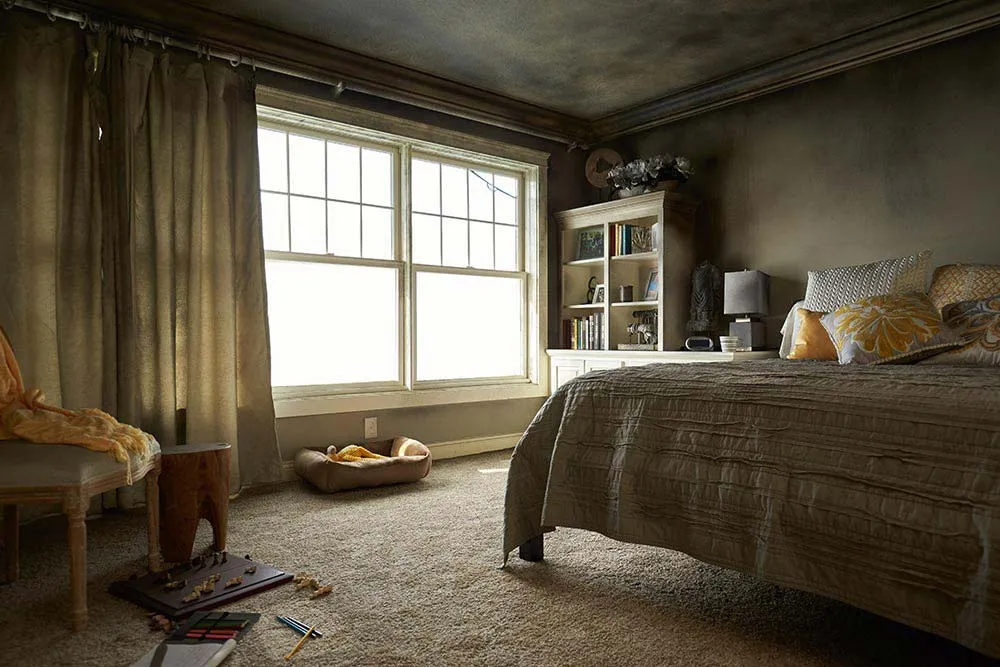
Soot removal, odor neutralization, structure cleaning, and contents pack-out.
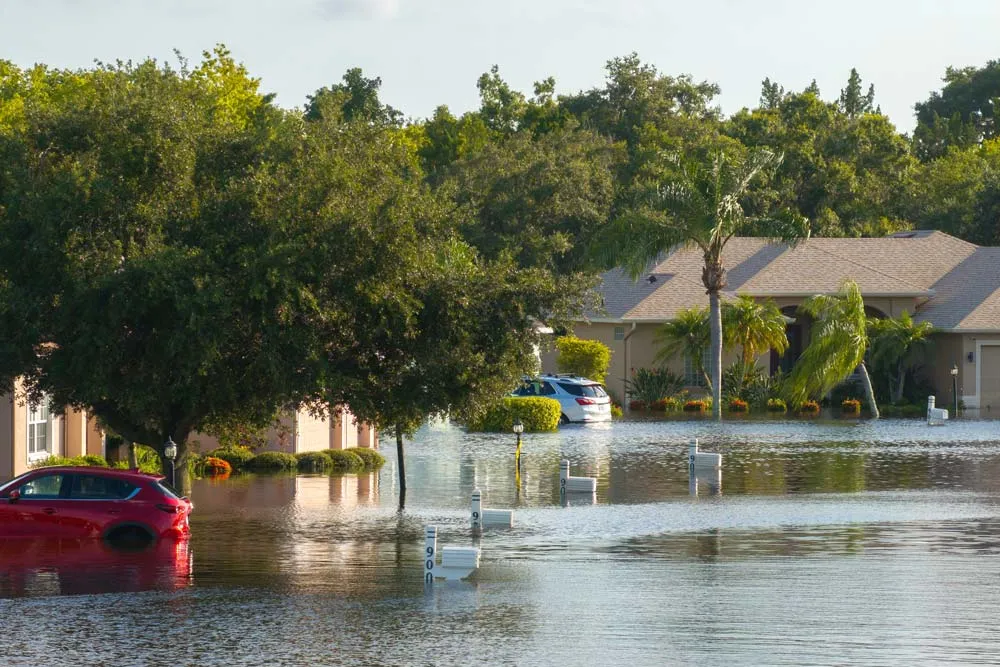
Hurricane, tornado, hail — emergency tarping, board-up, and full structural restoration.
From framing to finish — drywall, flooring, cabinetry, paint. One contractor, start to finish.
After major damage in Ocala, you may need to reach a local department — the building office for permits and structural inspections, the health department for mold or contamination questions, or fire-rescue for a fire-damage assessment. Here are the offices serving Ocala. Paul Davis is always one call away and can help you navigate the process.
Health Department
Florida Dept of Health — Marion County
1801 SE 32nd Ave, Ocala, FL 34471
(352) 629-0137Contact information is accurate to the best of our knowledge at time of publication. Paul Davis Restoration is not responsible for changes to agency contact information, hours, or services. For the most current information please contact the agency directly.
At Ocala's humidity, mold growth can begin on damp drywall, baseboards, and subfloor within about 24 hours — faster than in drier climates. That's why a water loss has to be dried to standard quickly, and why we treat any undried leak as a likely mold source until proven otherwise.
For a small surface spot you can sometimes clean it, but two things make DIY risky in Ocala: it doesn't address the moisture source feeding the mold, so it returns, and scrubbing without containment sends spores into the air and the HVAC system, spreading the problem. Anything beyond a minor surface patch is worth a professional remediation.
Almost always because the moisture source was never corrected. A leaking roof, a plumbing leak, an oversized or leaking HVAC system, or chronic humidity keeps feeding it. Our remediation in Ocala always starts by finding and fixing that source — without it, any cleanup is temporary.
Yes. We use moisture mapping and inspection to find hidden cavity mold behind walls and under floors, and we check HVAC systems, where mold in the ductwork can spread spores through the whole house. A proper mold inspection maps the full extent before any removal begins.
It depends on the cause. Many Florida policies cover mold when it results from a covered, sudden water loss — but exclude mold from long-term, unaddressed moisture or maintenance issues, and some cap mold coverage. We document the source and the work thoroughly so a covered claim has the support it needs.
Homeowners often ask about black mold specifically. Rather than guess from color, the right approach is to contain and remediate any significant growth to professional standard regardless of species, because the health precautions and the process are the same. If testing is warranted, we can arrange it.
A contained surface remediation may take a day or two; widespread or systemic mold involving the HVAC system takes longer. We give you a scope after the inspection and verify the result with post-remediation testing before closing the area back up.
Call now for a certified mold inspection and remediation. We find the moisture feeding it, contain the work, and verify the result — so it's solved, not postponed.