

Sewage Backup Cleanup in Clermont, FL
Most of Clermont's homes were built in a hurry — the subdivisions stair-stepping up the hills toward Minneola and Groveland went in during the mid-2000s, when Orlando spilled west into South Lake County faster than the trades could keep pace, and the drain and waste lines run through those slabs were laid just as fast as everything else. When one of those lines clogs or settles and backs sewage up through a floor drain or a downstairs toilet, it isn't gray dishwater you can mop — it's Category 3 black water, the most contaminated loss a home can take. And because Clermont's rolling terrain sheds stormwater downhill toward the Clermont Chain of Lakes, a hard summer cell can overload the sanitary system on a hillside street and push that backup up into the lowest fixtures in the house with no warning at all. Paul Davis answers sewage backups across Clermont around the clock, arriving with containment, protective gear, and EPA-registered disinfectants on the first truck.
Start your restoration
We’re on it.
A Paul Davis dispatcher will call you within minutes. Keep your phone nearby.
Need to talk now? Call us directly
Category 3 Sewage Backup Response for Clermont and west Lake County
Serving Clermont and all of Lake County, FL.
A sewage backup is the most hazardous water loss we handle, and it is not something you clean up and air out. The water carries bacteria, viruses, and human waste — that is what black water means — and once it soaks into porous materials like drywall, carpet pad, and the particleboard backing on cabinets, those materials cannot be saved by drying. They have to come out. The work is containment first, then removal of everything contaminated, then sanitizing and structural drying of what remains, so the home is genuinely decontaminated rather than dried out around a hidden source of infection.
Paul Davis crews dispatch from our nearby Belleview base and adjust routing to reach Clermont addresses fast, any hour of the day or night. We arrive with containment barriers, personal protective equipment, extraction gear, and disinfectants ready on the first truck, so the biohazard is isolated the moment we walk in rather than after a return visit. Sewage cleanup is the contaminated end of the same discipline behind all of our water damage work — only here the priority is health before anything else.
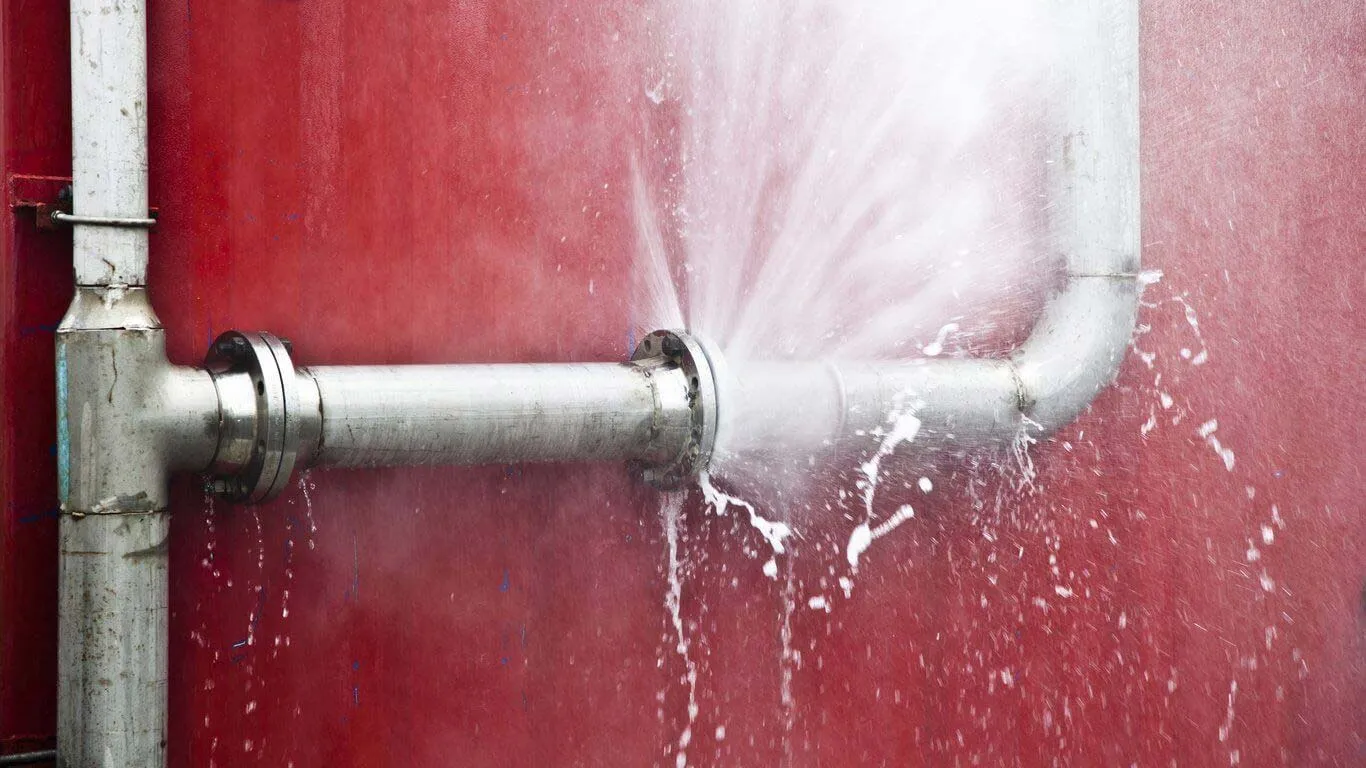
Why Clermont homeowners call Paul Davis for sewage backup cleanup
When black water surfaces in a slab home, you want the crew that knows how South Lake County was built — the boom-era subdivisions, the drain lines run fast through those slabs, the hillside lots where a storm can surcharge the sanitary system. Sewage cleanup here is as much about decontaminating the full hidden footprint as it is about the gear, and that local read is what protects the people inside. Paul Davis brings certified expertise, biohazard containment, and direct insurance coordination to every sewage call, whatever its size.
- Certified restoration technicians on every job — not general laborers
- 60-minute emergency dispatch, 24/7/365
- Direct insurance billing with most major Florida carriers
- Thermal imaging and moisture mapping on every inspection
- Guaranteed workmanship
I am very pleased with the quick response to my call. They were there the same day removing the wet flooring and baseboards and bring the equipment to immediately start the drying process. They have been in contact with me to explain next steps.
What puts Clermont homes at risk
Every restoration job starts with understanding the local conditions that made it worse. These are the factors our crews see repeatedly across Clermont properties.
Mid-2000s boom-built drain and waste lines across the city
Whole swaths of Clermont's subdivisions were laid slab-on-grade in a handful of frantic years during the Orlando spillover, and the drain and waste lines run through those slabs were installed just as fast — so a settled joint, a bellied line, or a tight run that finally clogs is now showing up across the city's newer neighborhoods at roughly the same time. When one of those lines backs up below grade, contaminated water floods the floor from underneath. We moisture-map how far the black water has traveled through the slab and into the framing, then remove and sanitize the full affected footprint rather than the visible mess.
Hillside storm runoff that overloads the sanitary system
Clermont's terrain is genuinely hilly for Florida, and the same slopes that send stormwater downhill toward the Clermont Chain of Lakes can overwhelm the sanitary lines on a hillside street when a summer cell dumps faster than the system can carry. That surcharge forces sewage back up through the lowest fixtures in a home on the low side of a grade. We treat that backup as the full Category 3 biohazard it is — contain the area, extract, remove the soiled porous materials, and disinfect — not the simple cleanup a clean-water spill would call for.
Newer homes owners assume are too young to back up
Because Clermont's housing skews younger than the older towns around Lake County, owners often assume the plumbing is too new to fail — so the early signs of a slow backup get missed, and the contaminated water sits and spreads while everyone assumes it's a one-off clog. The longer sewage sits, the further it migrates and the faster the health risk climbs. Fast dispatch and a full decontamination keep that head start from turning a single backup into a gutted floor.
Working families away from the house on weekdays
Clermont fills with families commuting east to Orlando, so a backup that surfaces on a weekday morning can sit for hours in an empty house before anyone is home to find it. In the warm, humid air here that delay lets the contamination soak deeper into the structure and pushes the loss toward mold within a day or two. We respond fast and decontaminate thoroughly, because every hour a soaked, soiled material stays in the home raises the risk to the people living there.
What to expect, step by step
Certified restoration technicians on every job, direct insurance billing, and daily updates from first assessment through final walkthrough.
Assess & contain the biohazard
We walk the loss with thermal cameras and moisture meters to trace how far the black water has traveled through the slab, walls, and subfloor, then seal the affected area off from the rest of the home so contamination and odor cannot spread.
Stop the source & extract
We confirm the backup is stopped at its source, then pull out the contaminated standing water with truck-mounted and portable extractors. On Clermont's slab homes, we use equipment built to reach the soiled moisture trapped below the floor.
Remove contaminated materials
Porous materials the black water has soaked — drywall, carpet and pad, cabinet backing, insulation — cannot be disinfected and are removed and bagged out as biohazard waste, leaving only structure that can be safely cleaned.
Sanitize & decontaminate
Every affected surface is cleaned and treated with EPA-registered antimicrobial and antiviral disinfectants, and we address the odor at its source rather than masking it, so the space is genuinely safe rather than merely dry.
Dry the structure & monitor moisture
Commercial dehumidifiers and air movers are placed to IICRC S500 standards to dry the remaining framing, flooring, and cavities. We return daily to take readings and log progress until the structure reads genuinely dry.
Restore & document
Once the home is decontaminated and dry, we rebuild the removed flooring, drywall, and finishes to pre-loss condition and compile the moisture logs, photos, and estimate for your insurer — one company from containment through final repair.
In Depth — Clermont
Sewage Backup Cleanup in Clermont: What Property Owners Need to Know
Sewer Line Backup
A clog or break in the main sewer line forces Category 3 black water back up through the home's lowest drains and fixtures.
This is the defining backup we answer across Clermont's slab subdivisions, where the drain and waste lines run during the mid-2000s boom were laid in a hurry and now settle, belly, or clog from a spot no one can watch. Because the homes are slab-on-grade, the black water cannot drain down and spreads sideways under the floor instead. Our crews contain the area first, then extract, remove contaminated materials, and sanitize the full footprint.
Storm-Surcharged Backup
A summer storm overloads the sanitary system and forces sewage back up through a home's lowest fixtures.
On Clermont's sloping streets, a stalled summer cell sends more water downhill toward the Clermont Chain of Lakes than the system can carry, and that surcharge can push sewage back into a home on the low side of a grade. We treat these as full Category 3 biohazards — sealing off the area, removing the soiled porous materials, and disinfecting — because a storm-driven backup carries the same contamination as any other.
Backed-Up Slab Drain
A floor drain, tub, or toilet running off a line beneath the slab overflows with contaminated water from below.
In Clermont's newer subdivisions, where waste lines run inside the slab, a backup floods the floor from underneath and soaks the structure before the smell even reaches you. We use thermal imaging and moisture mapping to trace how far the contamination has traveled under the concrete, then remove, sanitize, and dry rather than closing finishes over a still-soiled cavity.
Mold and Your Health
A sewage backup is a Category 3 biohazard, which sets it apart from a clean-water loss: the black water carries bacteria, viruses, and waste, and the porous materials it soaks cannot simply be dried and saved — they have to be removed and the structure disinfected, or the contamination stays in the home. In the warm, humid air here the risk compounds quickly, because the same dampness that makes the cleanup urgent also turns into mold-friendly conditions within a day or two. Our crews assess the contamination the moment they arrive, contain it so it cannot spread to clean rooms, and decontaminate to a verified standard. Getting the black water and the soiled materials out fast, and sanitizing thoroughly, is what protects both your home's structure and the health of the people living in it.
Certification & Insurance
Paul Davis is a licensed Florida general contractor, and our crews handle contaminated water to the IICRC S500 standard — the same protocol insurance carriers recognize for Category 3 decontamination, moisture logs, and drying verification. We're also EPA Lead-Safe certified, and every job carries general liability and workers' compensation coverage for the protection of South Lake County property owners. That documentation is what lets your adjuster process a Clermont sewage claim without dispute.
What to tell us when you call
Four things that speed up your claim
Type of damage — general location in the home — whether the source is still active — whether the building is safe to enter. We handle everything else.
Commercial Property Restoration
Clermont's businesses sit on the same boom-era slabs and hillside grades as its homes, and a sewage backup at a professional office along the Highway 27 corridor, a downtown restaurant, or a storefront in one of the newer plazas is not just a mess — it is a health-code and shutdown problem that closes your doors. Paul Davis crews scale biohazard containment, extraction, decontamination, and structural drying to commercial buildings, working around your schedule and coordinating with property managers and commercial adjusters to get you safely back open.
When a sewage backup threatens your South Lake County business, call Paul Davis and we will mobilize fast.
Why a sewage backup is a biohazard, not just a flood
It is tempting to look at a backed-up floor drain and reach for a mop, but Category 3 black water is a different animal from a burst supply line. It carries bacteria, viruses, and human waste, and the moment it touches porous materials — carpet and its pad, drywall, the particleboard under cabinets, the cardboard sleeves on ductwork — those materials absorb the contamination and cannot be disinfected back to safe. On the slab-on-grade homes standard across the subdivisions climbing toward Minneola and Groveland, the backup floods the floor from below and spreads sideways under the tile rather than draining away, so the soiled zone is almost always larger than the puddle you can see. That is why our crews open with containment: we seal the affected area off from the rest of the house, work in protective equipment, and run negative-air containment where the situation calls for it, so airborne contaminants and odor do not migrate into clean rooms. Only then do we remove what has to go, extract the standing water, and begin the sanitizing and structural drying that makes the space safe to live in again. Where a backup has soaked deep enough to need rebuilding afterward, the same crew handles the restoration that follows.
When sewage cleanup turns into mold
The danger with a sewage backup does not end when the waste is gone. The same warm, humid air that makes the cleanup unpleasant also turns any moisture left behind into mold-friendly conditions within a day or two, and a backup that ran undetected — overnight, or while a commuter household sat empty during a Clermont workday — has often already started colonizing inside the wall cavities by the time we arrive. Our crews carry thermal imaging and moisture meters to find that hidden dampness, not just the obvious wet floor, and we sanitize and dry the structure to the point where mold has nothing to grow on. Where colonies have already taken hold behind the drywall or in the bottom plate of a wall, we fold that work into the same scope and, where it has spread, bring in dedicated mold remediation in Clermont so a single contaminated loss does not quietly become two projects on your hands.
Disaster doesn’t wait.
Neither do we.
A sewage backup is a health emergency, not a next-day call — the contamination spreads and worsens every hour it sits, and on a Clermont slab the black water keeps migrating under the floor the whole time. Paul Davis crews dispatch from our nearby Belleview base and adjust routing to reach Clermont and the neighboring South Lake County towns of Minneola, Groveland, and Mascotte quickly, any hour of the day or night, weekends and holidays included. We arrive ready to contain the area, extract, and start decontaminating on the same visit, so the biohazard is isolated the moment we walk in.
Florida Emergency Hotline — 24 hours a day
Request a Free Estimate →Local department contacts
After major damage in Clermont, you may need to reach a local department — the building office for permits and structural inspections, the health department for mold or contamination questions, or fire-rescue for a fire-damage assessment. Here are the offices serving Clermont. Paul Davis is always one call away and can help you navigate the process.
Building Department
City of Clermont Building Services
685 W Montrose St, Clermont, FL 34711
(352) 241-7315Health Department
Florida Dept of Health — Lake County
2113 Griffin Rd, Leesburg, FL 34748
(352) 589-6424Contact information is accurate to the best of our knowledge at time of publication. Paul Davis Restoration is not responsible for changes to agency contact information, hours, or services. For the most current information please contact the agency directly.
Frequently asked questions
Sewage is Category 3 black water — it carries bacteria, viruses, and human waste that pose a real health risk, and the porous materials it soaks cannot be disinfected back to safe by mopping or airing out. Proper cleanup means containing the area, working in protective equipment, removing the contaminated materials, and sanitizing with EPA-registered disinfectants. Our crews are trained and equipped to do that safely so your family is not exposed.
Newer is part of the trap here. So much of Clermont was built slab-on-grade during the mid-2000s boom that the drain and waste lines run through those slabs went in fast and in volume, and a line that settled, bellied, or was laid on a tight grade clogs and backs up from a spot no one can watch. Because the plumbing is embedded in the slab, the backup floods the floor from underneath, which is why we trace the full contaminated footprint rather than cleaning only what surfaced.
Yes. Clermont's hilly terrain sheds stormwater downhill toward the Clermont Chain of Lakes, and during a hard summer storm that runoff can overload the sanitary system on a hillside street faster than it can carry the flow. The surcharge forces sewage back up through the lowest fixtures in a home on the low side of a grade. Because it's the same Category 3 contamination either way, we contain, remove the soiled materials, and disinfect the same as any backup.
Because the standard build across Clermont's hillside subdivisions is slab-on-grade, the black water from a backup can't drain downward. Instead it spreads sideways under the floor and wicks up into the bottom plates of the walls, often well beyond the bathroom or laundry room where it surfaced. That's why we moisture-map and decontaminate the full footprint with thermal imaging rather than cleaning only the visible mess.
Sewer and drain backup is often covered, but in Florida it frequently requires a specific backup endorsement on your homeowners policy rather than being included automatically, so coverage varies. We bill most major Florida carriers directly and document the loss to the IICRC S500 standard — moisture logs, photos, and decontamination records — which is exactly what a Lake County adjuster needs to process the claim without dispute.
Sewage backup in your Clermont home?
Call now and our crews dispatch fast from Belleview, day or night. The sooner we contain the area and start decontaminating, the less of your home the contamination reaches — and with Category 3 black water, getting it out quickly is what protects the people inside.