

Soot Removal in Leesburg, FL
A lot of Leesburg's fires start behind a wall nobody was looking at. The town's older, long-settled neighborhoods around the Harris Chain of Lakes are full of homes built in the 1980s and earlier, still running on the electrical they were wired with decades ago — original panels, aging branch circuits, and outlets carrying far more load than they were ever meant to. A connection overheats, smolders inside the framing, and by the time anyone smells it the fire has already pushed smoke and soot through the room. That fine black film settling on your walls and ceilings is the part of the damage that keeps working long after the flames are out.
Start your restoration
We’re on it.
A Paul Davis dispatcher will call you within minutes. Keep your phone nearby.
Need to talk now? Call us directly
Fire Soot Removal for Leesburg and central Lake County
Serving Leesburg and all of Lake County, FL.
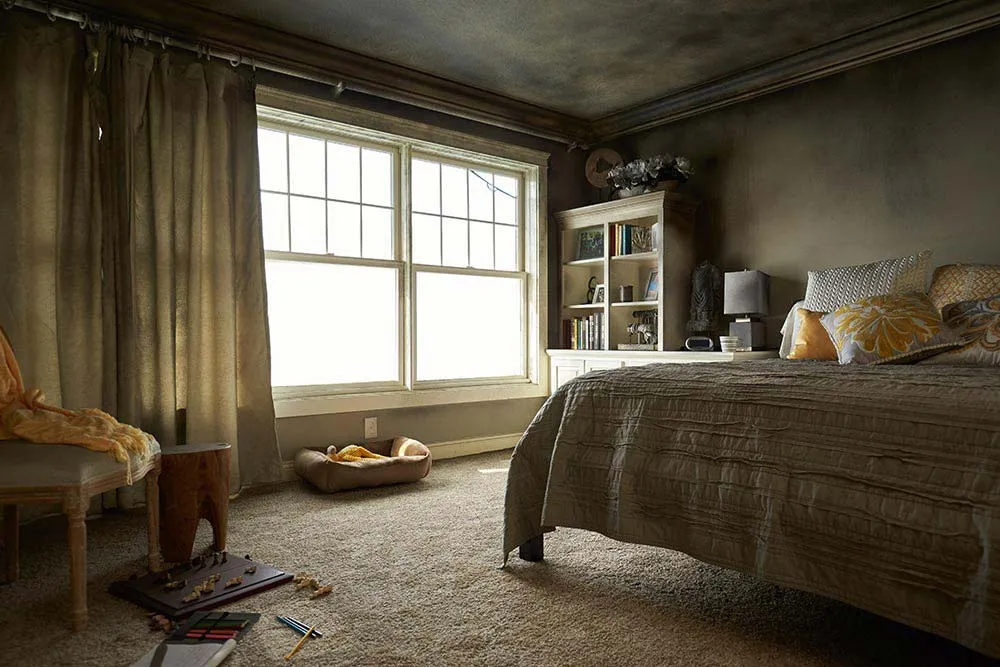
Soot isn't just dirt you can wipe away. It's an acidic residue, and the moment it lands on a painted wall, a countertop, or a fixture it begins to etch and stain. Left to set for a day or two, it locks in — and what could have been cleaned becomes a surface that has to be replaced. That's why the cleanup matters as much as the fire itself, and why Leesburg homeowners shouldn't wait to call for soot removal.
Paul Davis handles soot removal and cleanup across Leesburg and the surrounding Lake County towns, day or night. We test the residue before we touch it, clean it the right way for the surface and the kind of smoke that left it, and then put your home back together. From the first call we're working to stop the damage from setting in any deeper.
Why Leesburg homeowners call Paul Davis for soot removal
When soot is etching into your walls by the hour, you want a crew that shows up fast and knows exactly how to clean what's in front of them. We've worked fire and soot jobs throughout Leesburg and Lake County, and we bring the testing, the right cleaning methods, and the ability to rebuild — all under one roof.
- Certified restoration technicians on every job — not general laborers
- 60-minute emergency dispatch, 24/7/365
- Direct insurance billing with most major Florida carriers
- Thermal imaging and moisture mapping on every inspection
- Guaranteed workmanship
Excellent experience. Our insurance company recommended them. They arrived quickly and everyone was very professional. Communication was something that they excelled in — I always felt that they were on top of everything.
What puts Leesburg homes at risk
Every restoration job starts with understanding the local conditions that made it worse. These are the factors our crews see repeatedly across Leesburg properties.
Decades-old electrical panels and branch wiring
Many Leesburg homes still run on their original panels and the branch circuits installed when they were built. When aging wiring fails inside a wall, the fire often smolders before it breaks through, filling the room with soot. We trace where the smoke traveled, test the residue, and clean it before it permanently stains the surfaces around the burn.
Overloaded circuits and outlets in older rooms
Modern appliances and power strips push more current through circuits that were sized for a quieter era, and an overloaded outlet can overheat and ignite the wall behind it. These fires leave dense soot in a tight area that spreads fast through the home. Paul Davis isolates the source, removes charred material, and lifts the soot off adjacent walls before it sets.
Lakefront and near-lake humidity
Homes along and near the Harris Chain of Lakes carry steady humidity, and moist air lets acidic soot bind to surfaces faster and deeper. That shortens the window to clean before staining becomes permanent. We respond quickly and control the indoor air while we work so the residue doesn't keep etching into your walls.
Kitchen grease fires in long-settled homes
A stovetop fire in an older Leesburg kitchen throws off a thick, greasy soot that smears instead of wiping clean and clings to cabinets and ceilings. The wrong cleaning approach just grinds it in. Our technicians identify the soot type first and use the cleaning method matched to it, so the residue comes off instead of staining deeper.
What to expect, step by step
Certified restoration technicians on every job, direct insurance billing, and daily updates from first assessment through final walkthrough.
Emergency board-up and secure the home
We arrive around the clock to board openings, cover damaged areas, and secure your Leesburg home so the property is protected and the damage stops spreading overnight.
Assess where smoke and soot spread
We map how far the smoke traveled — through hallways, closets, and the HVAC system — and test the soot residue so we know exactly what we're cleaning and where it ended up.
Remove charred materials and clean soot
We take out fire-damaged materials and clean every sooted surface using the method matched to the residue type, lifting the acidic film off walls, ceilings, and contents before it sets in.
Deodorize the home
Soot leaves a smoky smell embedded in surfaces and ductwork, so we deodorize the affected areas and the HVAC system to clear the odor at its source rather than masking it.
Repair and rebuild
As a licensed Florida general contractor, we handle the repairs from drywall and paint through full reconstruction, so your home is restored start to finish without juggling separate crews.
In Depth — Leesburg
Soot Removal in Leesburg: What Property Owners Need to Know
Electrical-fire soot
Dense soot left when aging wiring or an overloaded circuit smolders and ignites inside a wall.
This is the soot we see most in Leesburg, where older homes still carry their original panels and branch wiring. Because the fire often starts inside the framing, the residue settles heavily on the walls and ceiling around the burn before anyone reaches it. We open up the affected area, remove the charred material, and clean the surrounding surfaces before the acidic film can set.
Greasy kitchen soot
A thick, oily residue from a stovetop or grease fire that smears across surfaces instead of wiping clean.
Kitchen fires in Leesburg's long-settled homes coat cabinets, counters, and ceilings with a clinging, greasy soot that resists ordinary cleaning. Scrubbing it the wrong way only grinds it into the finish. Our technicians match the cleaning method to the residue so it lifts off cleanly rather than staining the kitchen permanently.
Dry and protein soot
Powdery soot from burning wood or paper, or the fine, smear-prone residue left by a protein fire.
These quieter residues spread far through a Leesburg home on the air and through decades-old ductwork, often reaching rooms the fire never touched. Protein soot in particular leaves a stubborn smell and a film that's easy to smear. We test the residue type first, then clean the surfaces and the HVAC so the soot and its odor are actually removed.
Mold and Your Health
Soot and smoke residue aren't just a cleaning problem — they're fine particles you don't want to be breathing. Long after a fire, sooted surfaces and ductwork keep releasing a smoky smell and lingering compounds into the air, which can irritate the lungs, eyes, and throat. The trouble with cleaning it yourself is that wiping and scrubbing lift those particles back into the air and spread them to rooms the fire never reached. We clean with the right methods and capture the residue instead of stirring it up, so your home is genuinely clear rather than just looking it.
Certification & Insurance
Our technicians are trained to IICRC standards for fire and soot restoration, so the testing and cleaning are done by the book rather than by guesswork. Paul Davis is also a licensed Florida general contractor, which means we can carry your Leesburg home all the way through full rebuild instead of handing it off. And because older homes can hide lead-based paint, our crews follow EPA Lead-Safe practices when the work calls for it.
What to tell us when you call
Four things that speed up your claim
Type of damage — general location in the home — whether the source is still active — whether the building is safe to enter. We handle everything else.
Commercial Property Restoration
We also handle commercial fire and soot cleanup for Leesburg's businesses — the shops, offices, and lakeside properties where soot on the walls and a lingering smoke smell mean closed doors and lost days. Our crews work to clean, deodorize, and rebuild quickly so you can reopen, and we bill your carrier directly to keep things moving.
When fire hits your business anywhere in Lake County, call Paul Davis first.
Why soot has to be cleaned before it sets
The difference between a surface that gets cleaned and one that gets replaced usually comes down to timing. Soot is acidic, and it doesn't sit politely on a wall waiting for you — it reacts with the paint, metal, and finishes it lands on. Within hours it begins to discolor; within a day or two that discoloration can be permanent, especially in the humid air common to near-lake Leesburg homes. Different fires leave different residues, too: a greasy film from a kitchen grease fire behaves nothing like the dry, powdery soot from burning wood or the fine residue of a protein fire, and each one calls for a different cleaning method. Wiping the wrong type the wrong way just drives it deeper. That's why we test first and clean second. If you've had a fire, the most useful thing you can do is keep the rooms closed off and call our fire and smoke damage team in Leesburg before the residue locks in.
Soot travels further than the fire
One thing that surprises homeowners after a fire is how far the soot ends up from the room that actually burned. Smoke follows air, which means it slips down hallways, settles in closets, and rides the HVAC system into bedrooms on the other side of the house. In Leesburg's older homes, where ductwork has often been in place for decades, that soot coats the inside of the system and keeps recirculating a smoky smell every time the air kicks on. So a thorough cleanup is never just the burned room — it's mapping where the smoke went, checking the HVAC, and cleaning the surfaces the fire never touched. Because the original heat and water from putting the fire out often overlap, our crews coordinate soot removal with any needed water damage restoration in Leesburg so the whole home dries out and cleans up together instead of in pieces.
Disaster doesn’t wait.
Neither do we.
Smoke and soot don't stop working when the fire trucks leave — the residue keeps etching into your walls and the smell keeps soaking deeper overnight. That's why we run rapid, around-the-clock emergency response from our Belleview base, with a fast board-up to secure your Leesburg home and stop the damage from getting worse. The sooner we're on site, the more we can clean instead of replace.
Florida Emergency Hotline — 24 hours a day
Request a Free Estimate →Local department contacts
After major damage in Leesburg, you may need to reach a local department — the building office for permits and structural inspections, the health department for mold or contamination questions, or fire-rescue for a fire-damage assessment. Here are the offices serving Leesburg. Paul Davis is always one call away and can help you navigate the process.
Building Department
City of Leesburg Building Division
204 N 5th St, Leesburg, FL 34748
(352) 728-9735Health Department
Florida Dept of Health — Lake County
2113 Griffin Rd, Leesburg, FL 34748
(352) 589-6424Fire Department
Leesburg Fire Department (non-emergency)
201 S Canal St, Leesburg, FL 34748
(352) 728-9780Contact information is accurate to the best of our knowledge at time of publication. Paul Davis Restoration is not responsible for changes to agency contact information, hours, or services. For the most current information please contact the agency directly.
Frequently asked questions
Soot is acidic, so it starts etching and staining the moment it lands on your walls, fixtures, and finishes. In the humid air common to Leesburg's near-lake homes, that residue binds even faster. Cleaned within the first day or two, most surfaces can be saved; left longer, the staining often becomes permanent and the surface has to be replaced.
A lot of Leesburg's housing was built in the 1980s and earlier and still runs on its original electrical — aging panels and branch wiring carrying loads they were never designed for. When a worn connection or overloaded circuit overheats, the fire often smolders inside the framing before it breaks through, which is why the soot is already spread through the room by the time it's noticed.
It's better not to. Different fires leave different soot — a greasy kitchen residue, dry soot from wood, or a fine protein film — and wiping the wrong type the wrong way grinds it deeper and spreads it to clean areas. Our technicians test the residue first and use the cleaning method matched to it, which is what actually removes the soot instead of smearing it in.
Often, yes. Smoke follows the air, and in older Leesburg homes with ductwork that's been in place for decades, soot coats the inside of the system and keeps recirculating a smoky smell every time the air runs. We check and clean the HVAC as part of the job so the odor is removed rather than blown back through the house.
Both. Paul Davis is a licensed Florida general contractor, so the same company that cleans your soot and deodorizes your home also handles the repairs — from drywall and paint through full reconstruction. You can read more about our full fire restoration services on our <a href="/services/fire-damage">fire damage page</a>.
Fire or soot damage in Leesburg?
Acidic soot is staining your surfaces deeper the longer it sits, so the smartest move is to call before it locks in. Paul Davis answers around the clock, tests and cleans the residue the right way, and rebuilds whatever the fire took. We serve Leesburg and the surrounding Lake County towns from nearby Belleview.