

Water Damage Restoration
Burst pipes, appliance leaks, and flooding. We extract, dry, and document every reading for your insurer.

Clermont sits at the highest elevations in peninsular Florida — Sugarloaf Mountain reaches over 300 feet above sea level, and the broader Clermont Hills give the area topography that most of Florida lacks. That geography creates distinctive storm damage patterns. When convective thunderstorm cells fire over Clermont's ridgeline, they produce localized high-wind events and hail that can be significantly more intense than what simultaneously occurs in lower-elevation communities to the east or west. The Clermont chain of lakes — including Lake Minneola, Lake Louisa, and more than a dozen connected waters — adds flash flooding and runoff risk in valleys and lower neighborhoods. Paul Davis Restoration responds to storm damage throughout Clermont, Minneola, Groveland, and south Lake County.
A Paul Davis dispatcher will call you within minutes. Keep your phone nearby.
Need to talk now? Call us directly
Also serving Minneola, Groveland, Mascotte, and Leesburg, and all Lake County communities.
Clermont's rapid residential growth over the past two decades means the area's housing stock spans a wide range of construction eras. Established hillside neighborhoods in core Clermont include homes from the 1970s through 1990s with original roofing and window systems. Newer master-planned communities in the Clermont Hills, Hartwood Marsh corridor, and areas east toward Horizon West bring newer construction with different storm vulnerability profiles. Two-story homes — common in Clermont's newer planned communities — present more roof area exposed to wind loading and hail damage than single-story construction. Hail damage is a particular concern: Marion, Sumter and Lake Counties's spring thunderstorm season brings hail events with regularity, and hail damage is often not visible from the ground until the next rain event reveals it through interior leaks.
Paul Davis Restoration deploys emergency tarping and board-up within 60 minutes of your call throughout Clermont and south Lake County. Thermal imaging and moisture mapping are standard on every inspection — Clermont's hilly terrain means water intrusion from a storm follows unexpected pathways through wall assemblies, and detection requires more than a visual walkthrough. We prepare complete damage documentation from the first visit and bill most major Florida carriers directly. From hail damage assessment to full reconstruction, Paul Davis manages the entire recovery from one point of contact.
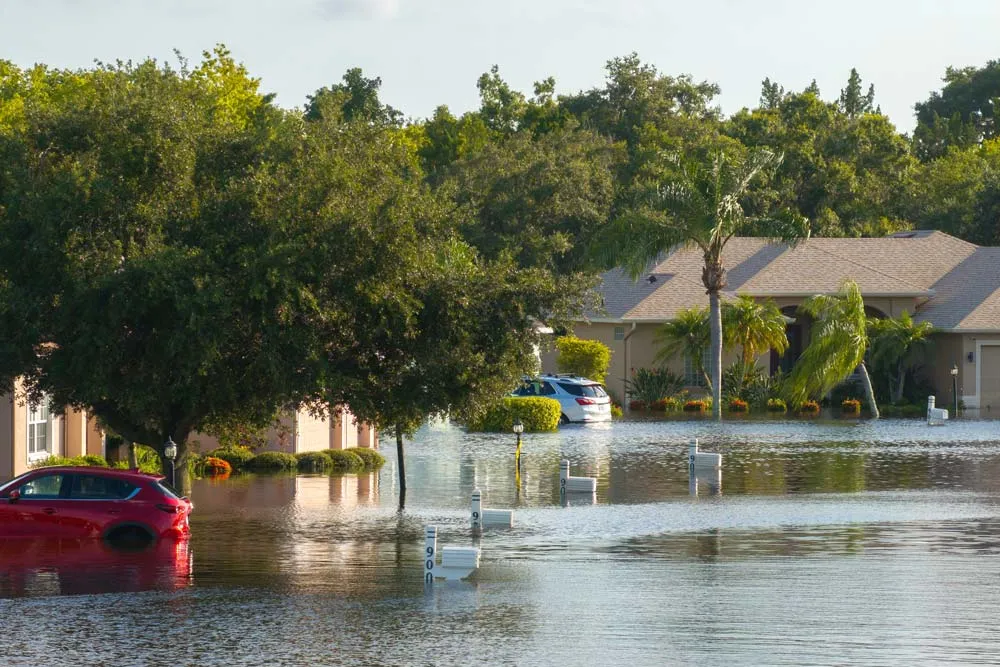
Clermont's combination of elevated terrain, lake chain, and rapid residential growth means storm damage presents differently here than in flat Marion, Sumter and Lake Counties communities. We know the local construction patterns, understand the drainage dynamics of the hills, and bring the right equipment for hail, wind, and water damage recovery.
I am very pleased with the quick response to my call. They were there the same day removing the wet flooring and baseboards and bring the equipment to immediately start the drying process. They have been in contact with me to explain next steps.
Every restoration job starts with understanding the local conditions that made it worse. These are the factors our crews see repeatedly across Clermont properties.
Florida's convective thunderstorm season produces hail events with enough frequency that hail damage is among the top storm insurance claims in the region. Quarter-to-golf-ball-sized hail cracks soffits, dents flashing, accelerates shingle granule loss, and can fracture tile roofing — most of it invisible from the ground.
Clermont's elevation changes mean storm water drains rapidly from ridges toward valleys and lake shores. Neighborhoods at the base of the hills can receive runoff volumes from multiple uphill lots during intense rainfall, flooding homes that have never flooded during a typical storm event.
Homes on Clermont's higher ridgelines face greater wind exposure than valley properties. A storm system producing 60 mph winds at lake level may reach higher sustained speeds at ridge elevations. Roof-to-wall connections, soffit attachments, and ridge caps face maximum wind loading on exposed hilltop homes.
The Clermont chain of lakes responds quickly to intense rainfall events. Flash flooding from rapid lake level rise or overtopped drainage channels affects lakefront properties and low-lying neighborhoods adjacent to the chain. Clermont's hillside runoff concentrates quickly at lake margins during intense localized cells.
Certified restoration technicians on every job, direct insurance billing, and daily updates from first assessment through final walkthrough.
60-minute response — tarps over breached roof sections, boarded compromised openings, and immediate debris documentation for your insurance record.
High-capacity extraction of standing water. Industrial air movers and dehumidifiers begin structural drying with daily moisture monitoring.
Storm debris, fallen limbs, and non-salvageable materials removed. Affected areas prepared for drying and reconstruction.
Thermal imaging confirms moisture locations in multi-story wall assemblies. Antimicrobial treatment applied to all areas with elevated mold risk from prolonged moisture exposure.
Complete rebuild — roofing, framing, drywall, flooring, and finishes. Paul Davis manages permits, material procurement, and adjuster coordination.
In Depth — Clermont
Hail damage to soffits, flashing, and roofing surfaces is common in Clermont's convective storm season. Wind damage ranges from missing shingles to displaced tile and structural uplift on exposed ridgeline properties.
Clermont's two-story homes in planned communities like Legends, Clermont Hills, and Ridgeview have more roof area and greater wind exposure than comparable single-story construction. Inspecting the full roof surface and all soffits after a hail or wind event requires aerial equipment — binoculars from the ground won't catch soffit denting or granule loss patterns across a full two-story roofline.
Once wind or hail creates an opening, water follows into the attic, wall cavities, and interior spaces. Clermont's hillside terrain can direct post-storm runoff toward homes that don't typically flood.
Two-story construction means attic space is often larger and higher — water that enters at the ridge travels a longer distance before appearing at ceiling level. Moisture mapping in two-story Clermont homes often reveals wet areas on the first floor ceiling from a single entry point high on the second floor roofline.
Intense rainfall over Clermont's ridgeline concentrates quickly in valleys, producing flash flooding and ground-level water intrusion in lower neighborhoods and lakefront properties.
Properties on the downhill side of Clermont's ridge streets, and lakefront homes on Lake Minneola and Lake Louisa, are most vulnerable to fast-rising water during concentrated storm cells. Runoff that enters through garage slabs or sliding glass door thresholds often arrives without any overhead weather damage at all.
Clermont's subtropical heat means unaddressed storm moisture creates mold conditions within 48–72 hours. For two-story homes, moisture in the upper attic space creates additional risk because the heated attic environment accelerates mold colonization significantly faster than occupied living spaces. Families with children, elderly residents, and anyone with respiratory conditions face meaningful health risk in a storm-damaged home where structural drying was incomplete or delayed. Paul Davis performs thermal imaging on every storm response to identify moisture in locations that visual inspection misses, and provides daily moisture monitoring until all readings return to baseline.
Paul Davis Restoration technicians are trained to IICRC standards for water damage mitigation and structural drying. We carry calibrated moisture meters and thermal imaging cameras to every job and document every reading in our storm response reports. Our documentation is prepared in insurance-standard format — accepted by Florida adjusters without translation or reformatting.
What to tell us when you call
Type of damage — general location in the home — whether the source is still active — whether the building is safe to enter. We handle everything else.
Clermont's commercial growth along Highway 50, the US 27 corridor, and the expanding Hartwood Marsh area brings significant commercial storm exposure to the area. Retail, medical, restaurant, and mixed-use commercial properties in Clermont require rapid storm response to minimize tenant displacement and business interruption. Paul Davis mobilizes commercial-scale crews and provides complete insurance documentation for commercial storm claims in south Lake County.
For commercial storm damage in Clermont, call Paul Davis — we put crews in place fast to reduce the time your business is affected.
Hail damage is notoriously hard to assess without getting on the roof. From the ground, look for dimpling or denting in aluminum soffits, gutters, and downspouts — these are softer materials that hail marks reliably. Cracked or missing soffit venting is another indicator. If your AC condenser unit has visible denting from hail, your roof likely sustained damage too. On tile roofs, hail cracks are common but small and only visible from the roof surface or via drone. On shingle roofs, hail knocks granules loose, creating dark irregular spots. Paul Davis provides post-hail roof inspections that document damage in photographs suitable for insurance claims. Don't wait for water to appear inside — by then the damage has extended significantly beyond the roof surface.
Florida's generally flat topography means most storm damage guidance doesn't fully apply in Clermont. When a concentrated thunderstorm cell drops 3 inches of rain in 45 minutes over Clermont's ridgeline, the runoff doesn't spread slowly across flat terrain — it concentrates rapidly along the ridgeline's downhill drainages. Homes at the bottom of ridge streets can receive runoff from dozens of uphill properties simultaneously. Natural drainageways and dry retention areas that handle normal rainfall can overtop quickly. Properties that have never flooded in typical conditions may flood during an unusually intense localized cell. Paul Davis assesses each Clermont property's specific terrain context as part of every storm damage evaluation.
Clermont's rapid growth over the past decade has produced thousands of two-story homes in planned communities throughout the hills. Two-story construction creates specific storm vulnerability profiles: greater roof area means more surface for hail impact and greater total wind loading; interior wall cavities run from the first-floor ceiling to the second-floor ceiling, providing channels for water to migrate down from a roof breach; attic space above the second floor is often expansive and, in summer, extremely hot — conditions that accelerate mold growth if storm moisture enters. Paul Davis conducts two-story inspections systematically, from the attic space down through every floor level, to document the full extent of moisture migration.
Before Florida's storm season peaks in August and September, Clermont homeowners can take practical steps to reduce storm vulnerability. Have your roof inspected if it's more than 10 years old — Clermont's older planned communities in Legends, Clermont Heights, and Palisades have homes now reaching the point where roofing systems need evaluation. Trim trees and large shrubs within striking distance of your home. Check and clean gutters and downspouts; blocked drainage during a heavy cell concentrates water at the foundation. Review your homeowners' insurance and verify that your coverage limits reflect current construction costs in Clermont, which have risen significantly in recent years as the area has grown.
Hail damage claims in Clermont follow a specific process. After a hail event, your insurance carrier will assign an adjuster who specializes in roof claims. The adjuster inspection is the key event — having Paul Davis's damage documentation in hand before that inspection gives you a complete record of every impact point, moisture reading, and affected component. Adjusters work quickly and may inspect dozens of homes after a major event; comprehensive pre-inspection documentation ensures nothing is missed. We provide our documentation in the same format adjusters use to evaluate claims, which reduces disputes and speeds your resolution. We bill most major Florida carriers directly.
Paul Davis is available 24/7 for storm emergencies throughout Clermont, Minneola, Groveland, and south Lake County. Live dispatch — no voicemail, no queue. Emergency tarping and board-up crews target 60-minute response. We bring thermal imaging and moisture equipment on the first visit, not a follow-up appointment.
Florida Emergency Hotline — 24 hours a day
Request a Free Estimate →Burst pipes, appliance leaks, and flooding. We extract, dry, and document every reading for your insurer.

Containment, removal, and prevention — from hidden growth to whole-house remediation.
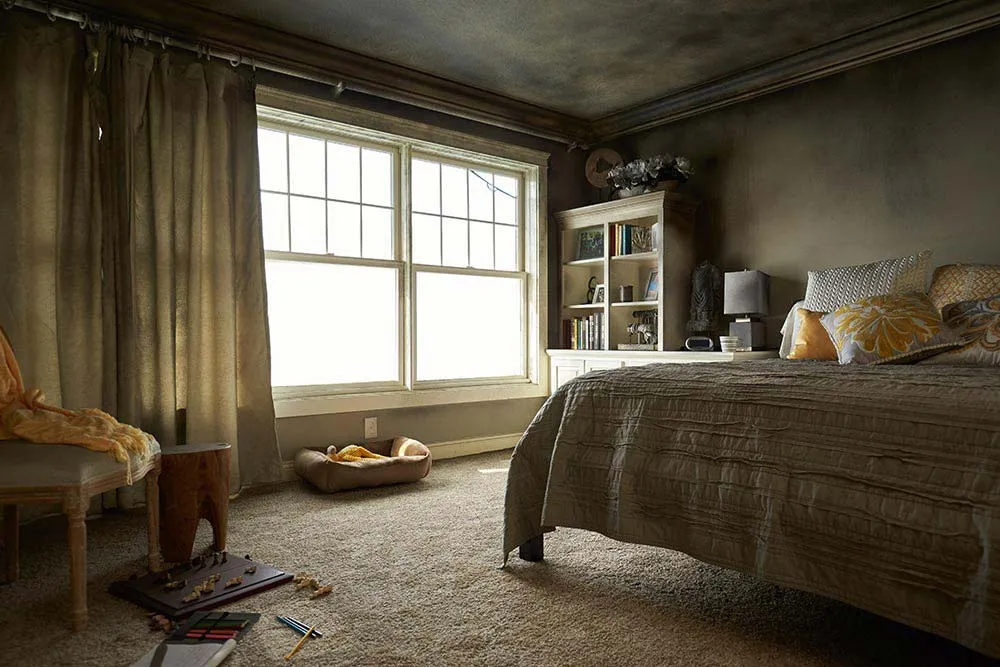
Soot removal, odor neutralization, structure cleaning, and contents pack-out.
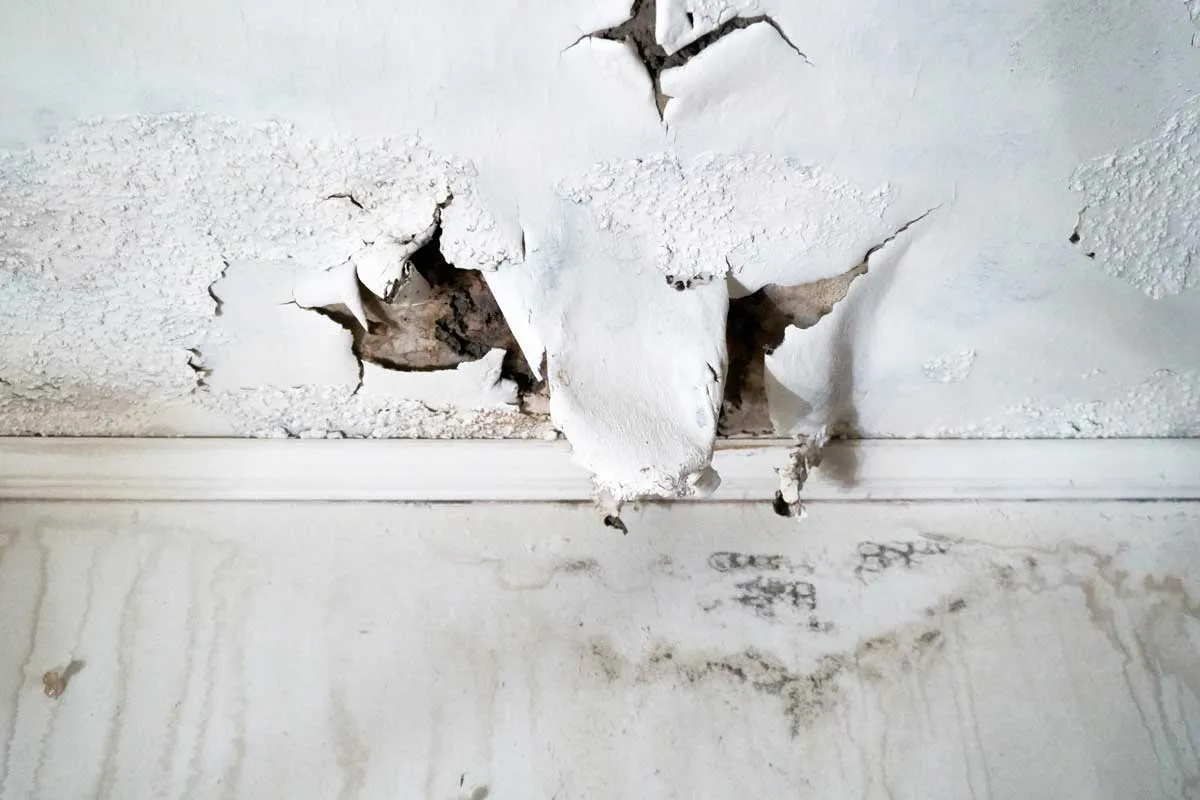
From framing to finish — drywall, flooring, cabinetry, paint. One contractor, start to finish.
After major damage in Clermont, you may need to reach a local department — the building office for permits and structural inspections, the health department for mold or contamination questions, or fire-rescue for a fire-damage assessment. Here are the offices serving Clermont. Paul Davis is always one call away and can help you navigate the process.
Building Department
City of Clermont Building Services
685 W Montrose St, Clermont, FL 34711
(352) 241-7315Health Department
Florida Dept of Health — Lake County
2113 Griffin Rd, Leesburg, FL 34748
(352) 589-6424Contact information is accurate to the best of our knowledge at time of publication. Paul Davis Restoration is not responsible for changes to agency contact information, hours, or services. For the most current information please contact the agency directly.
Yes — Clermont's position on the Lake Wales Ridge, with elevations above 300 feet in some areas, means convective thunderstorm cells that produce hail are often more intense here than in surrounding lower-elevation areas. Spring and summer thunderstorm season is the primary hail risk window.
Potentially, yes. Clermont's terrain concentrates runoff rapidly during intense cells. Properties at the base of ridge streets receive runoff from multiple uphill properties simultaneously. Paul Davis assesses terrain context on every inspection and identifies risk factors specific to your lot's position.
Two-story homes have more roof surface area, larger attic spaces, and interior wall cavities that provide pathways for water to migrate from an upper-floor breach to lower floors. We conduct systematic two-story inspections from the attic down to ensure the full extent of moisture migration is documented.
We provide complete photographic documentation of every impact point, soffit denting, granule loss patterns, and structural damage — in the format insurance adjusters use to evaluate claims. We can be present during your adjuster's inspection to answer technical questions in real time.
We target 60-minute emergency response throughout Clermont and south Lake County, 24 hours a day, 365 days a year. Emergency tarp and board-up is dispatched on the same call.
Call Paul Davis for a post-hail roof inspection — hail damage often doesn't produce immediate interior leaks but accelerates roofing system deterioration that leads to leaks in subsequent rain events. Documenting the damage now protects your insurance claim even before interior damage appears.
Paul Davis Restoration serves Clermont, Minneola, Groveland, and south Lake County with 24/7 storm damage emergency response. Hail damage inspection, emergency tarping, water extraction, and full reconstruction — with direct insurance billing. Call now.