
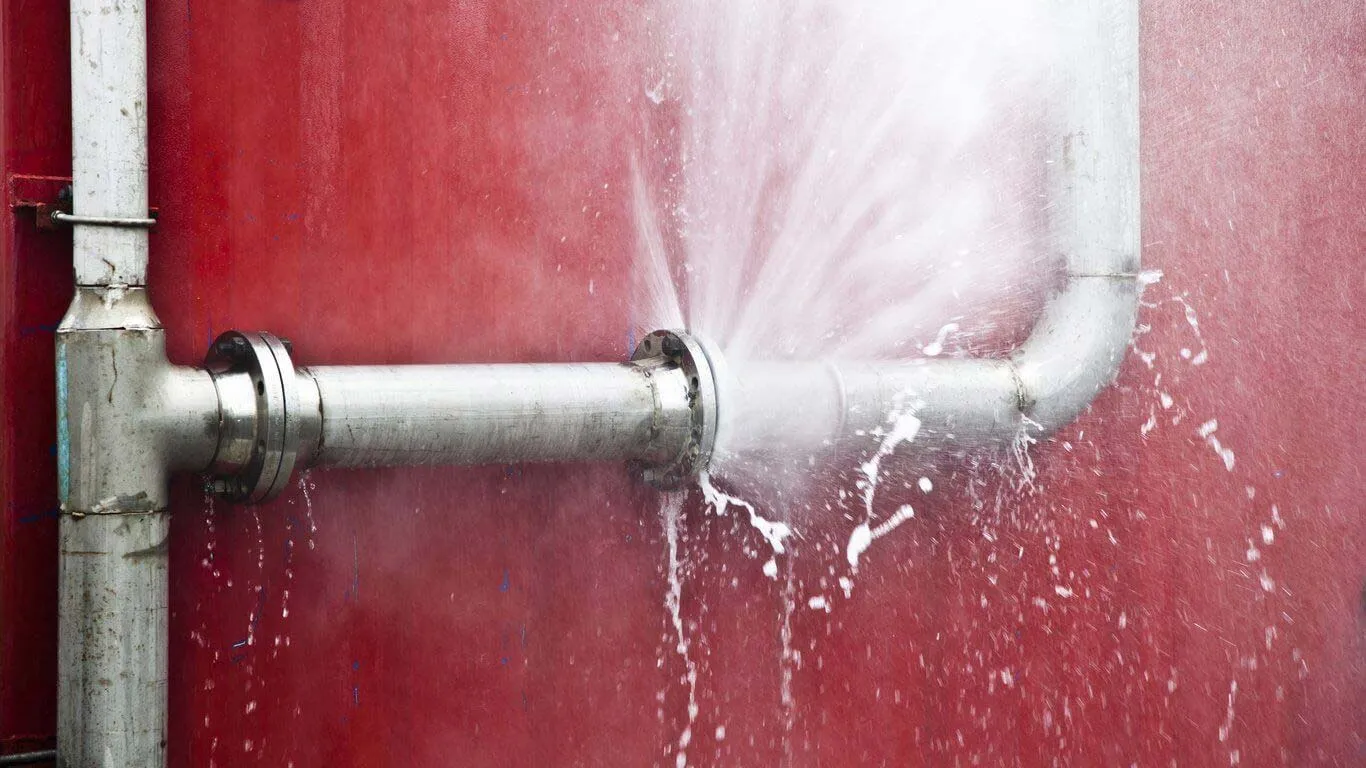
Water Damage Restoration
Burst pipes, appliance leaks, and flooding. We extract, dry, and document every reading for your insurer.

Ocala and Marion County are no strangers to severe weather. Sandwiched between Florida's two coastlines, Marion, Sumter and Lake Counties funnels Atlantic hurricanes and Gulf storms directly over communities like Silver Springs Shores, Belleview, and Dunnellon. Hurricane Charley clipped Marion County in 2004, followed by Frances and Jeanne within weeks of each other. Irma in 2017 toppled trees across the Ocala National Forest and knocked roofs off manufactured homes throughout the county. Ian in 2022 and Idalia in 2023 continued that pattern — each storm adding to the roster of Ocala homes requiring emergency board-up, water extraction, and reconstruction. If your property has sustained storm damage, Paul Davis has the crews, the equipment, and the experience to handle every phase of recovery.
A Paul Davis dispatcher will call you within minutes. Keep your phone nearby.
Need to talk now? Call us directly
Also serving Belleview, Dunnellon, Silver Springs, Summerfield, and all Marion County communities.
Marion County's karst limestone terrain amplifies storm damage in ways homeowners don't always anticipate. When hurricane-force winds drive rain horizontally into ridge vents, soffits, and aging window seals, water intrusion follows fast. The Ocklawaha River basin expands during prolonged storm events, and neighborhoods near its tributaries can see floodwater enter from the ground up rather than just through a breached roof. Add Ocala's dense tree canopy — mature live oaks and slash pines towering over established neighborhoods — and a single storm can leave a property facing a fallen tree on the roof, wet insulation in the attic, and standing water in the living room all at once. Emergency tarping goes up within the first hour to stop ongoing water entry while the full assessment proceeds.
Paul Davis Restoration's Ocala team provides 60-minute emergency dispatch around the clock. We arrive with generators, extraction equipment, and roofing crews ready to deploy immediately. Every inspection includes thermal imaging and moisture mapping to find hidden moisture behind drywall or under flooring before it has a chance to fuel mold growth. We handle documentation for your insurance claim and coordinate directly with adjusters so you can focus on your family, not the paperwork. From emergency tarping through the final reconstruction walkthrough, Paul Davis is your single point of contact throughout the entire recovery.
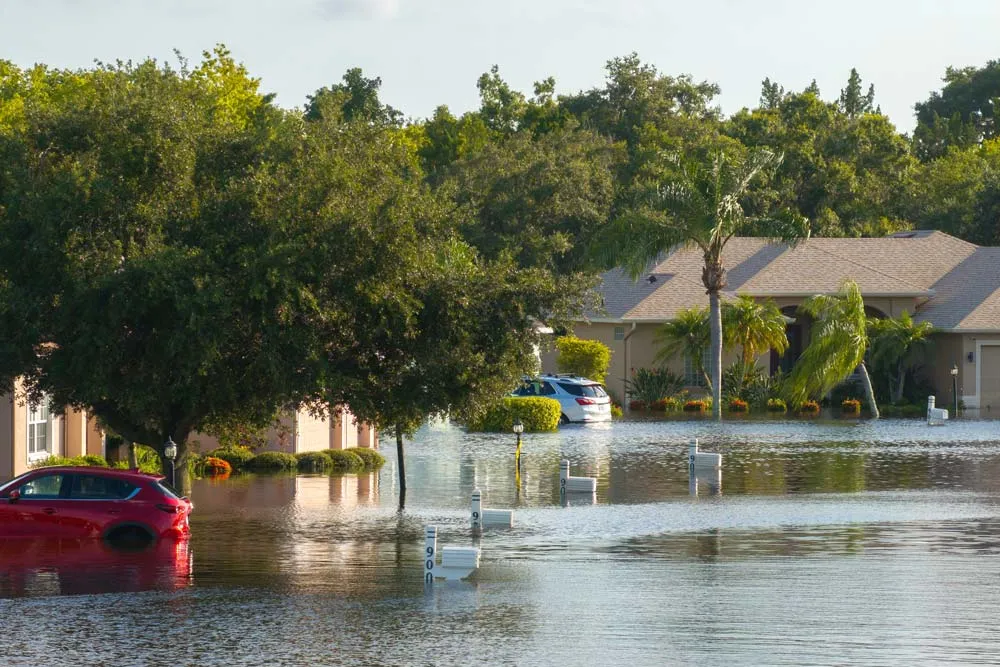
Storm damage is rarely straightforward. A roof breach on Monday becomes mold in the wall cavity by Thursday if the drying phase is skipped or rushed. We don't just tarp and wait — we extract water, run structural drying equipment, and re-inspect with moisture meters before anything gets closed up. Every step is documented for your insurance carrier.
I am very pleased with the quick response to my call. They were there the same day removing the wet flooring and baseboards and bring the equipment to immediately start the drying process. They have been in contact with me to explain next steps.
Every restoration job starts with understanding the local conditions that made it worse. These are the factors our crews see repeatedly across Ocala properties.
Marion County sees direct and indirect hurricane impacts multiple times per decade. Winds above 70 mph peel back shingles, snap ridge caps, and drive rain into the attic plane. Emergency tarping and rapid structural drying are the critical first responses.
Ocala's porous limestone substrate slows surface drainage during heavy rainfall. Low-lying neighborhoods near Ocklawaha River tributaries can flood from below — water seeping through foundation slabs before any roof damage occurs.
Ocala's mature live oaks and slash pines are beautiful until a storm drops one on a roof. Ocala National Forest adds millions of trees to the regional risk. Tree and limb debris causes direct structural damage and opens new water entry points within seconds.
Spring convective storms bring hail events to Florida with enough frequency to keep roofers busy from March through June. Quarter-sized hail dents flashing, cracks soffits, and accelerates shingle granule loss — damage that may not show on the surface until the next heavy rain.
Certified restoration technicians on every job, direct insurance billing, and daily updates from first assessment through final walkthrough.
We secure your property within 60 minutes — roofing tarps, boarded windows, temporary structural support where needed to stop active water entry and prevent further loss.
Truck-mounted and portable extractors remove standing water. Industrial air movers and dehumidifiers begin structural drying, targeting subfloor, wall cavities, and insulation layers.
Tree debris, damaged materials, and non-salvageable building components are removed. Roof decking, insulation, and drywall that absorbed contaminated water are extracted before drying begins.
Moisture meters and thermal imaging track drying progress daily. Antimicrobial treatments are applied to any surfaces where mold colonization risk is elevated.
Paul Davis handles the full rebuild — roofing, framing, drywall, flooring, painting, and finish carpentry — so you have a single point of contact from emergency response through final walkthrough.
In Depth — Ocala
Lifted shingles, missing ridge caps, broken soffits, cracked fascia, and compromised flashing are the most common storm-damage calls we receive in Ocala.
Ocala's older neighborhoods — particularly homes built in the 1970s and '80s in areas like Pine Run and Silver Springs Shores — often have roofs approaching or past their serviceable lifespan. A moderate storm that would leave a newer roof intact can strip older three-tab shingles completely.
Once the roof or wall envelope is breached, water moves fast — through insulation, down framing members, and into subfloors within hours.
Many Ocala homes use wood-frame construction over slab. When water enters through a roof breach and saturates attic insulation, it pools on ceiling drywall and saturates wall cavities before homeowners realize the full scale of intrusion.
Ground-level flooding from storm surge, drainage overflow, and rising creek levels presents a different recovery challenge than roof water — contaminated, slow to recede, and damaging to structure and contents alike.
Neighborhoods near the Ocklawaha watershed — Dunnellon, Belleview, and sections of southwest Ocala — face elevated flooding risk during slow-moving tropical systems. When floodwater lingers 24–48 hours, subfloor and lower-wall materials absorb contaminated water that cannot simply be dried in place.
Storm damage that isn't fully dried within 48–72 hours creates conditions for mold colonization in wall cavities, attic insulation, and subfloor assemblies. Florida's heat and humidity accelerate this timeline significantly compared to northern states. Residents with asthma, COPD, or immune sensitivities are particularly vulnerable to mycotoxin exposure from post-storm mold growth. Children and elderly family members face higher respiratory risk in a home where structural drying was incomplete. Paul Davis completes moisture mapping on every storm job and documents drying progress daily — if moisture levels are not declining on schedule, we adjust equipment placement before mold establishes.
Paul Davis Restoration technicians are trained to IICRC standards for water damage mitigation and structural drying — the same certifications that govern how restoration contractors are evaluated by insurance carriers. Our Ocala team uses calibrated moisture meters and thermal imaging cameras on every inspection, not visual assessment alone. We document every reading and provide a complete drying log to your adjuster.
What to tell us when you call
Type of damage — general location in the home — whether the source is still active — whether the building is safe to enter. We handle everything else.
Commercial storm damage in Ocala presents additional complexity — roof warranties, tenant displacement, building code compliance, and business interruption all enter the equation alongside the physical damage. Paul Davis has worked with medical offices, retail centers, light industrial buildings, and agricultural operations throughout Marion County. We can mobilize multiple crews for large commercial properties and coordinate with your property manager and insurance carrier from the first response call through the final certificate of occupancy.
If your Ocala commercial property has sustained storm damage, call Paul Davis now — the faster we get equipment in place, the shorter your business interruption.
Florida's hurricane season runs June 1 through November 30, with peak activity between August and October. Before storm season, walk your roof and look for lifted shingles, cracked soffits, and any gap along the fascia. Trim overhanging branches from mature live oaks and slash pines — a fallen tree through a roof is among the most expensive storm claims we handle. After a storm passes, do not enter your home if there are downed power lines or visible structural collapse. Once it's safe, photograph every damaged area before calling your insurer. Call Paul Davis immediately — emergency tarping within the first few hours prevents a roof breach from becoming a full interior loss.
Filing a storm damage claim in Ocala typically involves an adjuster visit within a few days of the event. What you document before that visit matters. Paul Davis provides a complete damage assessment with photographs, moisture readings, and a scope of work — the same documentation format insurance adjusters use to evaluate claims. We bill most major Florida carriers directly and work alongside your adjuster rather than against them. One common mistake homeowners make: waiting for the adjuster before calling a restoration contractor. Emergency mitigation is a covered expense under most policies and is separate from the reconstruction scope — your policy requires you to mitigate further damage, and Paul Davis helps you meet that obligation.
When a fallen tree lands on your Ocala roof, the resulting damage typically includes direct structural impact to the roof deck, broken rafters or trusses, displaced insulation, and water intrusion through the open breach. Most homeowners' policies cover tree removal from a structure — the tree sitting in your yard untouched is a different story. Paul Davis coordinates tree and debris removal as part of the storm restoration scope, so you're not managing separate contractors for the same event. We photograph the impact zone before any debris is moved to preserve the insurance record. If a neighbor's tree fell on your home, your own policy typically covers the damage regardless of fault.
A significant portion of Ocala's single-family housing was built between 1960 and 1990, before Florida's current wind-load building codes were enacted in response to Hurricane Andrew (1992). Homes in Silver Springs Shores, Ocala Palms, and sections of southwest Ocala built under pre-Andrew standards may have roof-to-wall connections, sheathing fastening, and opening protection that doesn't meet today's standards. When a storm exposes these vulnerabilities, the resulting damage is often more extensive than homeowners expect. Paul Davis has worked throughout Marion County's established neighborhoods and understands the construction patterns common to different building eras.
Florida's subtropical heat means storm damage creates mold conditions far faster than in northern states. At 85°F with 80% indoor humidity — conditions that follow a roof breach during August in Ocala — mold can begin colonizing wet drywall within 24 to 48 hours. This is not a slow process. Paul Davis begins structural drying within the first response visit and tracks moisture levels daily until readings return to baseline. If you are considering a contractor who plans to board up and return in a week, ask specifically how they are addressing moisture and mold risk during that interval. The answer will tell you everything you need to know.
Paul Davis Restoration is available 24 hours a day, 365 days a year for storm damage emergencies in Ocala and throughout Marion County. Our dispatch team answers live — no voicemail, no callback queue. We target 60-minute response to active emergency calls. Emergency tarping crews operate through the night when needed, because every hour a roof is open to the sky is another hour of avoidable damage accumulating inside.
Florida Emergency Hotline — 24 hours a day
Request a Free Estimate →Burst pipes, appliance leaks, and flooding. We extract, dry, and document every reading for your insurer.
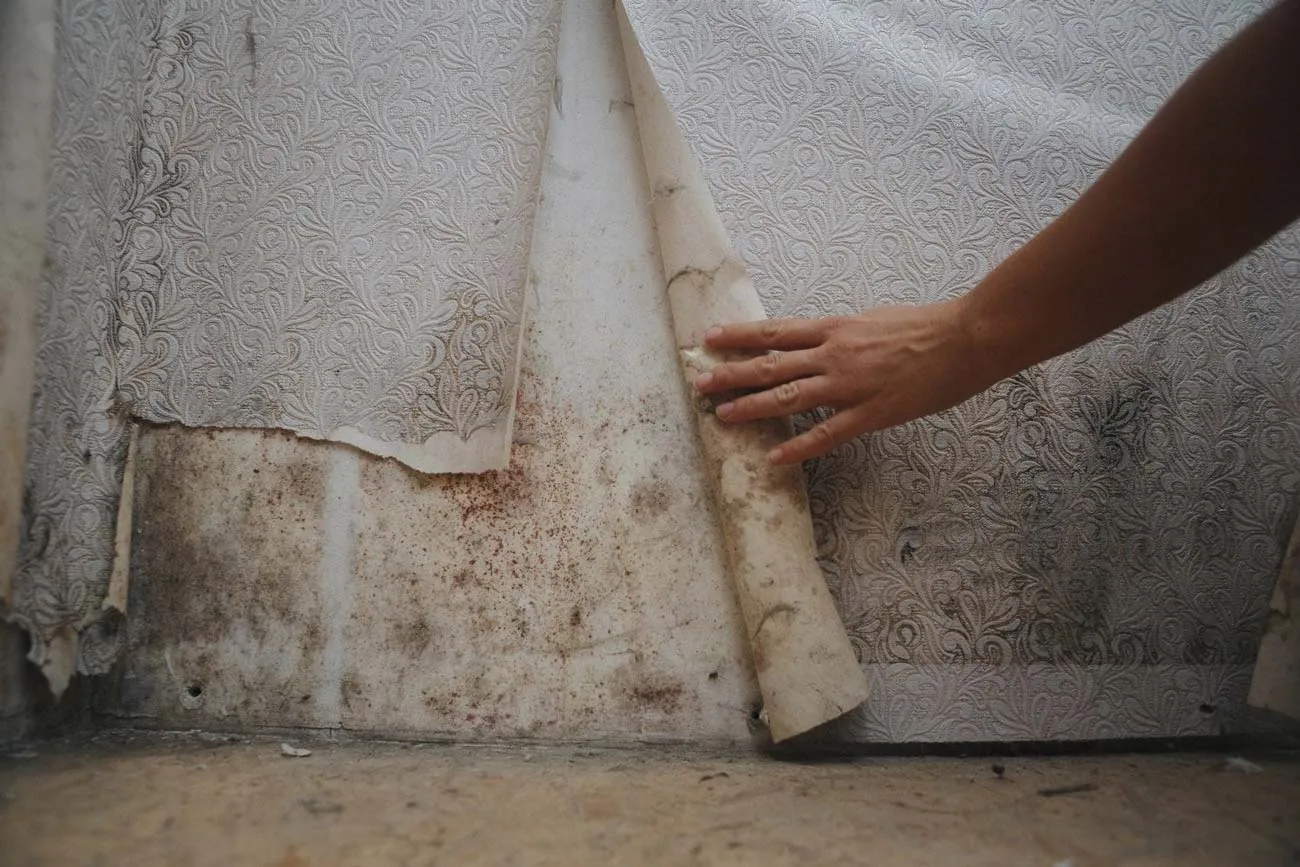
Containment, removal, and prevention — from hidden growth to whole-house remediation.
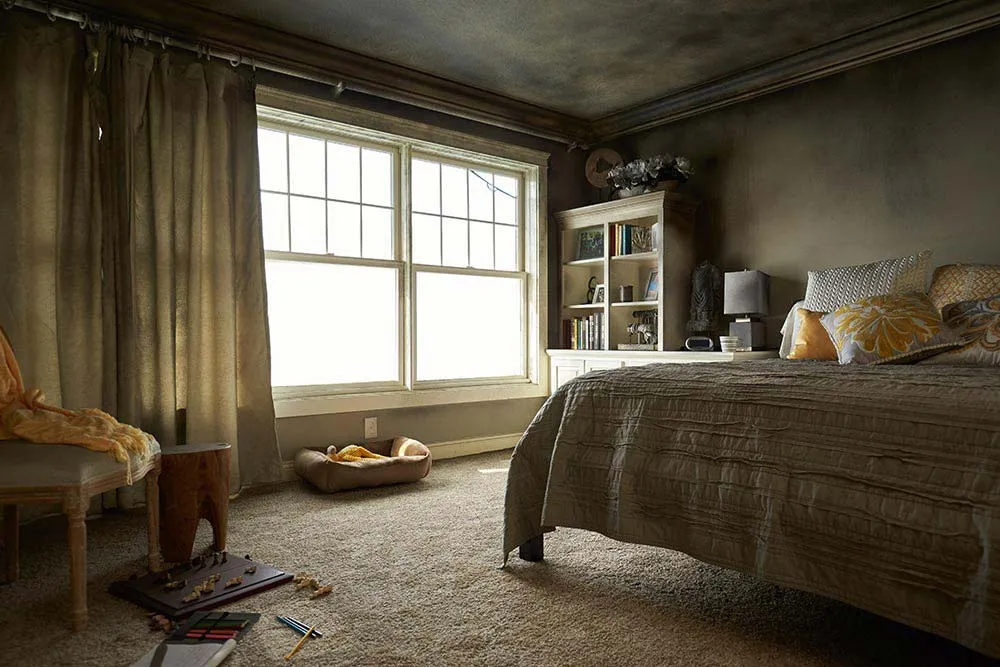
Soot removal, odor neutralization, structure cleaning, and contents pack-out.
From framing to finish — drywall, flooring, cabinetry, paint. One contractor, start to finish.
After major damage in Ocala, you may need to reach a local department — the building office for permits and structural inspections, the health department for mold or contamination questions, or fire-rescue for a fire-damage assessment. Here are the offices serving Ocala. Paul Davis is always one call away and can help you navigate the process.
Health Department
Florida Dept of Health — Marion County
1801 SE 32nd Ave, Ocala, FL 34471
(352) 629-0137Contact information is accurate to the best of our knowledge at time of publication. Paul Davis Restoration is not responsible for changes to agency contact information, hours, or services. For the most current information please contact the agency directly.
We target 60-minute response to active emergency calls in Ocala and Marion County, 24 hours a day. Emergency tarp and board-up crews are dispatched on the same call — you don't wait for a separate crew.
Yes. We handle every phase from emergency tarping through final reconstruction — roofing, framing, drywall, flooring, and finishes. One contractor, one point of contact throughout your claim.
No — call Paul Davis first. Emergency mitigation is covered under most policies and is separate from the reconstruction scope. Your policy requires you to mitigate further damage, and waiting risks additional loss that may not be covered.
Emergency mitigation — tarping, extraction, and initial drying — is typically complete within 3–5 days. Full reconstruction timelines depend on scope, permit requirements, and material availability. Most residential storm jobs in Marion County run 2–8 weeks from first response to final walkthrough.
Don't enter the affected area until structural safety is confirmed. Call Paul Davis — we photograph the impact zone before removing any debris to preserve your insurance documentation, then remove the tree and begin roof stabilization.
Yes. We provide complete damage documentation in insurance-standard format and bill most major Florida carriers directly. We coordinate with your adjuster and can be present during the adjuster's inspection to answer technical questions.
Pre-1992 homes in Marion County were built under older wind-load standards. Roof-to-wall connections and sheathing fasteners in these homes may not perform to current code under hurricane-force winds. If your home was built before 1993, a pre-storm inspection of your roof and attic framing is worth scheduling before each hurricane season.
Paul Davis Restoration responds to storm damage emergencies throughout Ocala and Marion County 24 hours a day, 365 days a year. One call covers emergency tarping, water extraction, debris removal, and full reconstruction. We handle your insurance documentation and bill most major Florida carriers directly. Don't let a roof breach become a mold problem — call now.