
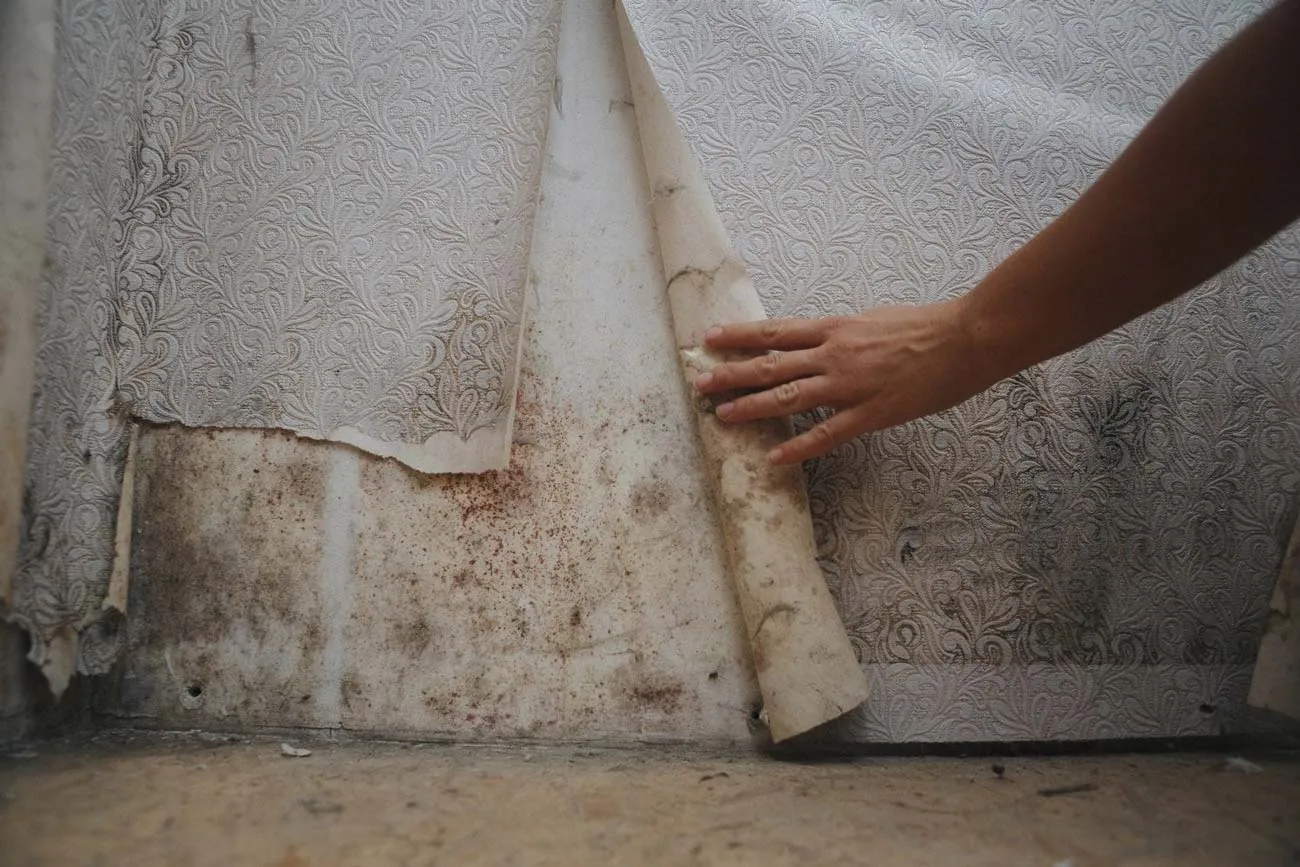
Mold Remediation
Containment, removal, and prevention — from hidden growth to whole-house remediation.

A slab leak in a newer subdivision off Highway 50, or stormwater sheeting down a Clermont hillside and into a garage — water damage here has its own character, shaped by new construction and unusually hilly ground. Paul Davis runs water damage restoration in Clermont around the clock, arriving with extraction and drying equipment on the first truck so the cleanup starts the moment we pull up.
A Paul Davis dispatcher will call you within minutes. Keep your phone nearby.
Need to talk now? Call us directly
Also serving Minneola, Groveland, Mascotte, and Leesburg, and all Lake County communities.
Clermont is one of the newer cities in the region — the median home was built around 2005, and whole subdivisions have gone up on the old citrus hills since. That newness shapes the water losses: it is rarely a corroded old drain, and far more often a slab leak in the manifold plumbing, a failed water heater, a dishwasher hose, or an AC condensate line that overflows into a wall cavity. In two-story homes built on a grade, a second-floor supply failure can travel down through the structure before anyone notices.
The terrain is the twist. Clermont sits among rolling hills — Sugarloaf Mountain, just north, is the highest point in peninsular Florida — and the Clermont Chain of Lakes threads through town, with downtown sitting right on Lake Minneola. On a grade, heavy wet-season rain doesn't pool politely; it runs downhill and collects against the low side of a house or a downhill lot. And lakefront homes on Minneola and Minnehaha carry their own flood exposure. At our humidity, materials that sit wet start growing mold within a day, so getting a certified crew on site quickly is what keeps a small loss from becoming a gut-and-rebuild.
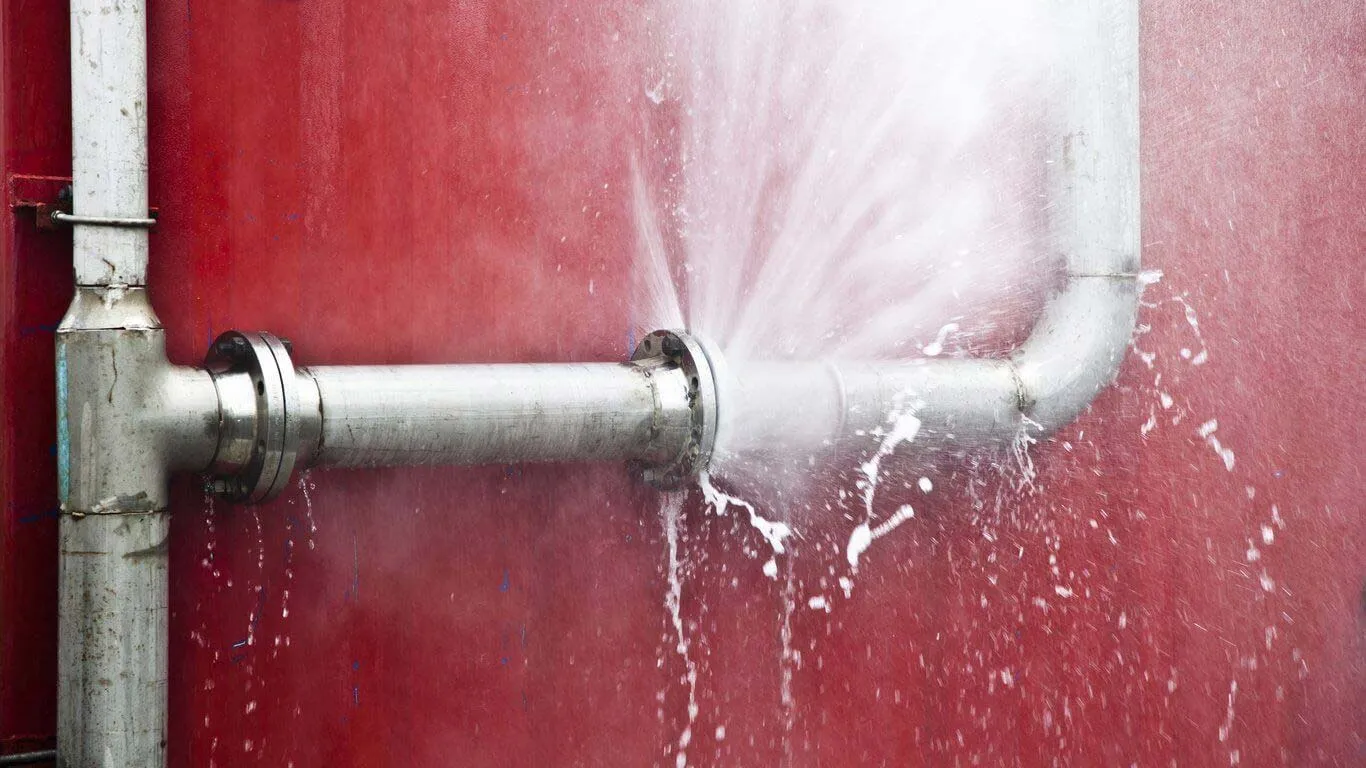
When water is spreading through your home, you want a crew that understands Clermont's newer slab construction, how stormwater behaves on a hillside lot, and how to document a loss for the carriers writing policies in Lake County. Good water damage restoration in Clermont is as much about reading the local building stock and terrain as it is about the drying gear — and that local read is the difference between a clean dry-out and weeks of back-and-forth.
They came and did the work and were gone. Very professional, know what they are doing, and cleanup like they were never here. They had it done in a week. I would highly recommend Paul Davis Restoration to anyone.
Every restoration job starts with understanding the local conditions that made it worse. These are the factors our crews see repeatedly across Clermont properties.
Most of Clermont was built after 2000 on slab foundations with embedded plumbing, so a slab leak surfaces as a warm spot or buckled floor rooms away from the actual break. We find it under the slab with thermal imaging and moisture mapping before it reaches the framing.
Clermont's rolling hills mean heavy rain runs downhill rather than soaking in evenly, collecting against the low side of homes and downhill lots and finding its way into garages and ground-floor rooms. We trace the intrusion path so the fix addresses where the water actually enters.
Homes on Lake Minneola, Lake Minnehaha, and the connected chain sit in FEMA's AE high-risk flood zones, and a parked tropical system can push the chain into low lakefront lots. We handle the Category 3 floodwater that brings, with containment and antimicrobial treatment of slab floors and lower walls.
A second-floor supply line, toilet, or washing-machine failure can send water down through ceilings and wall cavities to the ground floor before anyone notices. We map the full vertical path of the moisture, not just the room where it pooled.
Beneath the hills, the sandy soil sits over sinkhole-prone limestone with a shallow water table, so groundwater that reaches a slab migrates sideways through the foundation. We read the actual moisture content of materials rather than assuming the surface tells the whole story.
Certified restoration technicians on every job, direct insurance billing, and daily updates from first assessment through final walkthrough.
Call any hour. We dispatch a certified technician to your Clermont property within 60 minutes, 24/7, with extraction and drying equipment already on the truck — no separate assessment visit, no waiting on a callback.
Thermal imaging and calibrated moisture meters map every wet zone — wall cavities, subfloor, the slab, and the vertical path water takes through two-story homes built on a grade.
Truck-mount and portable extractors pull standing water from tile, luxury vinyl, carpet, and subfloor assemblies. The faster the water is out, the smaller the restoration scope.
LGR dehumidifiers and high-velocity air movers create a controlled drying environment sized to the loss. Daily moisture readings track progress and build the documented record your adjuster needs.
Once materials hit dry standard, we restore the affected areas to pre-loss condition. Final readings confirm clearance and close out the drying log — so the wall going back up is provably dry.
In Depth — Clermont
Water from a supply line, fixture, or appliance — the lowest contamination risk, but it has to be extracted and dried within hours before it escalates at our humidity.
In Clermont's newer homes this is the everyday loss: a slab leak in the manifold plumbing, a failed water heater, a dishwasher hose, or an AC condensate line overflowing into a wall. Caught early these dry clean, which is why fast dispatch matters.
Water from washing machines, dishwashers, or toilet overflow without solids. It carries microorganisms and requires antimicrobial treatment.
A second-floor washing-machine or dishwasher failure that runs down into the structure is realistically Category 2 by the time we open the walls. We treat it accordingly so nothing is sealed wet behind new drywall.
Sewage, storm floodwater, or groundwater intrusion — the highest contamination risk, requiring full containment, antimicrobial treatment, and removal of porous materials it has touched.
Stormwater running off the Clermont hills and lake flooding off the Minneola chain both bring Category 3 water into homes during tropical weather. With the shallow local water table, groundwater intrusion through a slab counts too.
Water left in a Clermont home turns into a health problem quickly, and the humidity is the reason. Mold can begin colonizing damp drywall, baseboards, and subfloor within the first 24 hours of intrusion — faster than in drier climates — which is why we get a certified crew moving the same day rather than waiting on an appointment. In two-story homes, a leak that travels down inside a wall can dampen multiple levels before it is found, widening the area mold can take hold. Category 2 and Category 3 events raise the stakes further: gray and black water carry bacteria and, in the case of storm runoff and lake flooding, pathogens that don't simply dry out. Porous materials those waters have touched come out, the cavity is sanitized, and the space is dried to standard before anything is closed back up.
Paul Davis is a certified restoration company, and the crews handling water damage restoration in Clermont work to IICRC S500 standards — the same standard your insurer's adjuster measures the job against. Our technicians are trained in water mitigation and structural drying, and every job carries general liability and workers' compensation coverage for the protection of Lake County property owners. The practical payoff: the drying is done to a documented standard, not by eye, and the paperwork lines up with what the carrier expects.
What to tell us when you call
Type of damage — general location in the home — whether the source is still active — whether the building is safe to enter. We handle everything else.
Clermont's commercial water losses don't behave like residential ones. The retail and restaurants along Highway 50, the medical offices and clinics serving south Lake County, the hotels and training facilities tied to the area's reputation as a triathlon and cycling hub, and the newer office space all come with business-interruption pressure, commercial flooring and ceiling systems, and HVAC infrastructure that a residential scope doesn't account for. We move faster on extraction to limit downtime, coordinate directly with property managers and commercial adjusters, and stage drying so the parts of an operation that can stay open, stay open.
Paul Davis keeps commercial response protocols ready for Clermont business owners and property managers.
Clermont's water story is shaped by two things you don't usually associate with Florida: new construction and hills. The median home was built around 2005, so instead of corroded old pipes you get slab-era failures — a slab leak in the manifold plumbing, an AC condensate line overflowing into a wall, a water heater or appliance hose failing after a decade. And the ground is genuinely hilly here; Sugarloaf Mountain to the north is the highest point in peninsular Florida. On a grade, heavy wet-season rain runs downhill and collects against the low side of a house or a downhill lot rather than soaking in evenly, so garages and ground-floor rooms on the low side are the first to flood. Beneath it all, the sandy soil sits over sinkhole-prone limestone with a shallow water table. Knowing a restoration contractor before you need one is simply prudent here.
Clermont is built around the Clermont Chain of Lakes — Lake Minneola, Lake Minnehaha, and the connected waters — with downtown and Waterfront Park sitting right on Minneola. Lakefront lots fall into FEMA's AE high-risk flood zones, and a parked tropical system can push the chain into low lakefront homes. But the terrain creates a second, less obvious risk: on Clermont's hills, stormwater concentrates as it runs downhill, so even homes well away from a lake can see water sheet across a driveway and into a garage during a heavy band. A standard homeowner's policy won't cover rising water from a lake — that takes an NFIP or private flood policy — and a crew that can respond to Category 3 floodwater is the backstop when it does enter.
Florida's insurance market has been hard on Clermont homeowners — premiums are among the highest in the country, several private carriers pulled out of the state between 2022 and 2024, and many Lake County policies now sit with Citizens or a short list of remaining insurers. In that environment, documentation isn't a formality; it is the difference between a claim that moves and one that stalls. Every Paul Davis job builds the evidentiary record an adjuster needs — timestamped moisture readings, equipment logs, photos, and a line-item estimate — to support a sudden-and-accidental claim. We can't change what your policy covers, but we can make sure the loss is documented well enough that nothing is denied for lack of proof.
In Clermont's slab homes and two-story floor plans, the water damage that costs the most is the kind that hides — a pinhole in a slab supply line, a condensate line weeping into a wall, a second-floor leak that tracks down inside the structure. By the time the floor cups or a ceiling stains, moisture has spread into cabinetry, subfloor, and wall assemblies across more than one level. This is where moisture mapping earns its keep: rather than guessing, we read the actual moisture content of materials and follow it back to the source, so the drying covers everywhere the water actually went — not just the visible stain. And we don't sign off by eye; final clearance is a number, confirmed and logged.
We dispatch on the call itself — you won't wait for a return call or an assessment appointment before the work starts. We reach downtown Clermont and the surrounding subdivisions quickly and adjust routing to hold response times out to Minneola, Groveland, Mascotte, and the Four Corners area. When water is spreading, the first hour shapes the size of the entire job, so the truck rolls with extraction and drying equipment already aboard.
Florida Emergency Hotline — 24 hours a day
Request a Free Estimate →Containment, removal, and prevention — from hidden growth to whole-house remediation.
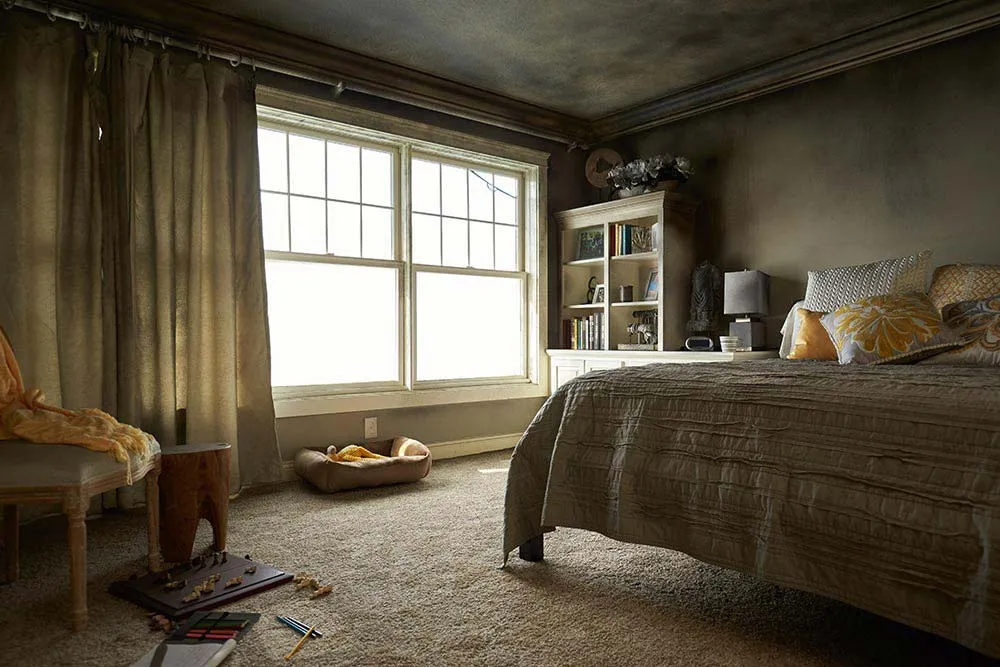
Soot removal, odor neutralization, structure cleaning, and contents pack-out.
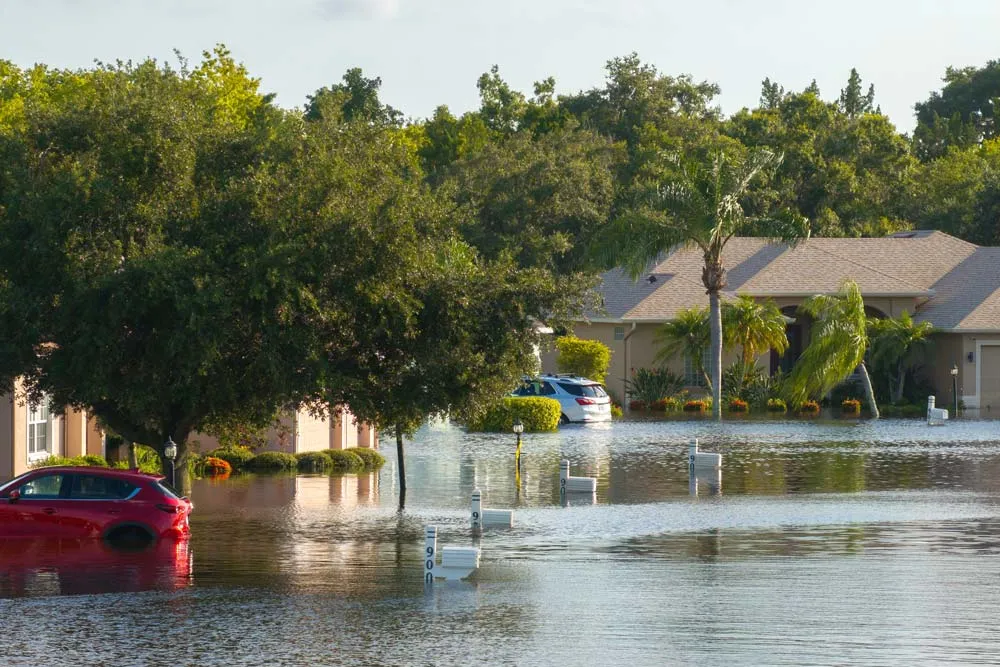
Hurricane, tornado, hail — emergency tarping, board-up, and full structural restoration.
From framing to finish — drywall, flooring, cabinetry, paint. One contractor, start to finish.
After major damage in Clermont, you may need to reach a local department — the building office for permits and structural inspections, the health department for mold or contamination questions, or fire-rescue for a fire-damage assessment. Here are the offices serving Clermont. Paul Davis is always one call away and can help you navigate the process.
Building Department
City of Clermont Building Services
685 W Montrose St, Clermont, FL 34711
(352) 241-7315Health Department
Florida Dept of Health — Lake County
2113 Griffin Rd, Leesburg, FL 34748
(352) 589-6424Contact information is accurate to the best of our knowledge at time of publication. Paul Davis Restoration is not responsible for changes to agency contact information, hours, or services. For the most current information please contact the agency directly.
We dispatch within 60 minutes of your call and reach downtown Clermont and the surrounding subdivisions in minutes under normal conditions, with adjusted routing for Minneola, Groveland, Mascotte, and the Four Corners area. The crew arrives with extraction and drying equipment already on the truck — there is no separate assessment visit before work begins.
Most of Clermont was built after 2000 on slab-on-grade foundations with plumbing embedded in or under the concrete. When a slab line fails, the water moves sideways through the foundation, so it can surface as a warm spot or buckled floor a room or two from the actual break. We locate it with thermal imaging and moisture meters and dry the slab and surrounding assemblies to standard.
It does. On a grade, heavy rain runs downhill and concentrates against the low side of a house or a downhill lot, so garages and ground-floor rooms on the low side flood first — even on homes nowhere near a lake. We trace where the water actually enters so the drying and any repair address the real path, not just the visible damage.
Most Florida homeowner policies cover sudden, accidental water damage — a burst line, an appliance failure, a roof intrusion. Rising water from the Clermont Chain of Lakes or storm flooding generally is not covered by a standard policy and needs separate NFIP or private flood coverage. Gradual damage from a long-running leak is usually excluded. We document the loss thoroughly so a covered claim has the proof it needs.
Extraction removes the standing water. Structural drying removes the moisture that framing, drywall, insulation, and subfloor have absorbed — which remains even after the surface looks dry. Both steps are required for a complete restoration; skipping the drying is how mold and rot get sealed inside a wall.
Most residential water losses dry in three to five days with proper equipment placement. Concrete slabs — common across Clermont — cabinets, and structural wood can extend that, and a loss that traveled between floors takes longer to dry fully. We take daily moisture readings so you and your adjuster can watch the progress.
Structural repairs — replacing framing, subfloor sheathing, or significant wall assemblies — typically require a permit through the City of Clermont or Lake County. Paul Davis coordinates those permit requirements as part of the restoration scope so the rebuild is done to code.
Call now and we dispatch within 60 minutes — day or night, weekends and holidays. The sooner extraction starts, the smaller the restoration scope. Every hour matters.