
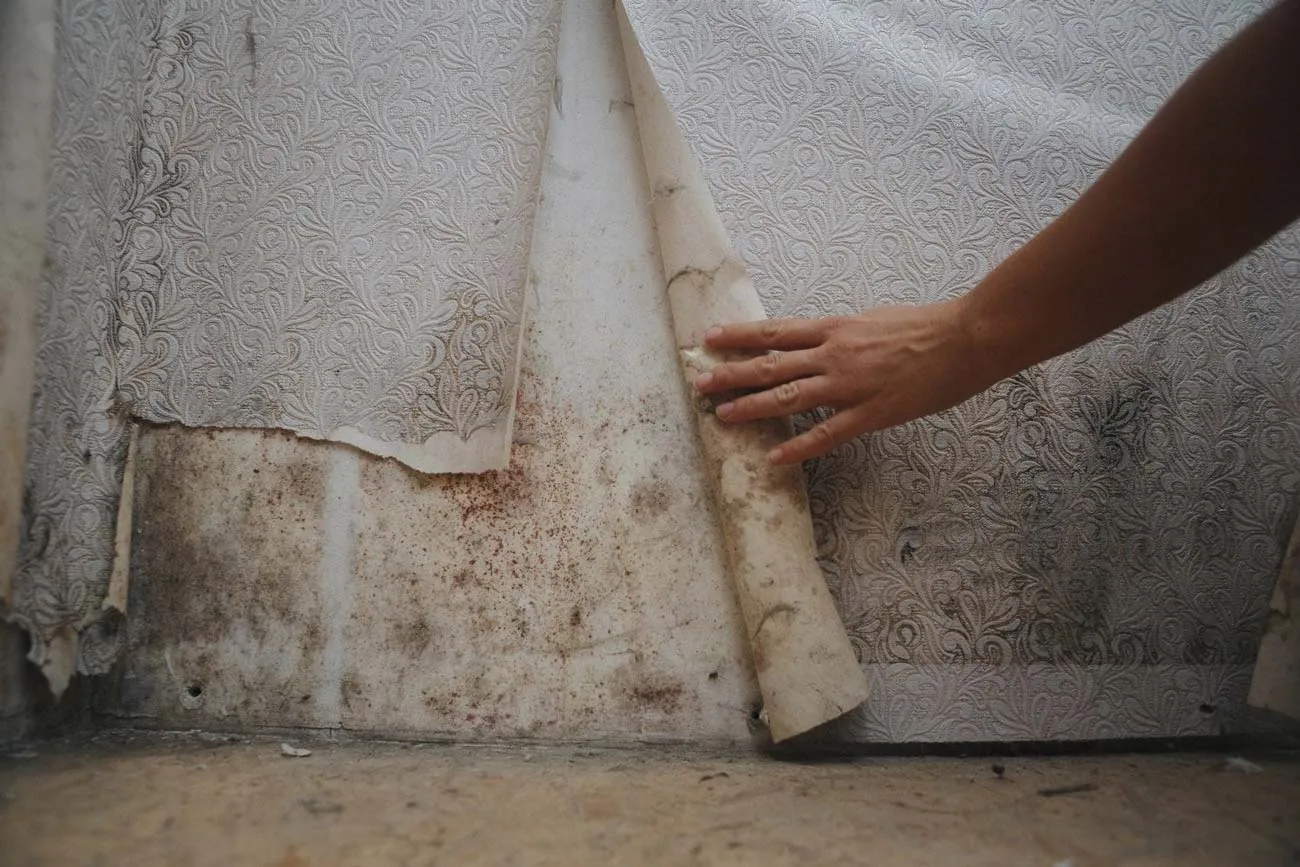
Mold Remediation
Containment, removal, and prevention — from hidden growth to whole-house remediation.

A burst supply line at 2 a.m. or stormwater coming under the door doesn't wait for business hours — and neither do we. Paul Davis runs water damage restoration in Ocala around the clock, with extraction and drying gear on the first truck so the cleanup starts the moment we arrive.
A Paul Davis dispatcher will call you within minutes. Keep your phone nearby.
Need to talk now? Call us directly
Also serving Belleview, Dunnellon, Silver Springs, Summerfield, and all Marion County communities.
Water shows up here in a handful of familiar ways. In the old streets of downtown's historic district, where some houses have stood since the late 1800s, it's usually an original copper supply line or a cast-iron drain that finally gives out. Out in the 1970s-platted blocks of Silver Springs Shores and the slab homes of Marion Oaks, it's a failed water heater, a dishwasher hose, or a slab leak that wicks across the floor for days before anyone notices the baseboards going soft.
And when the tropics get involved — the rain bands Hurricane Idalia dragged across the Big Bend and into North Marion, Sumter and Lake Counties in 2023 are the textbook case — the low lots along the Ocklawaha River and the Lake Weir chain take on water fast. Whatever the source, the clock is the same: at Ocala's humidity, materials that sit wet start growing mold within a day. Getting a certified crew on site quickly is what keeps a small loss from turning into a gut-and-rebuild.
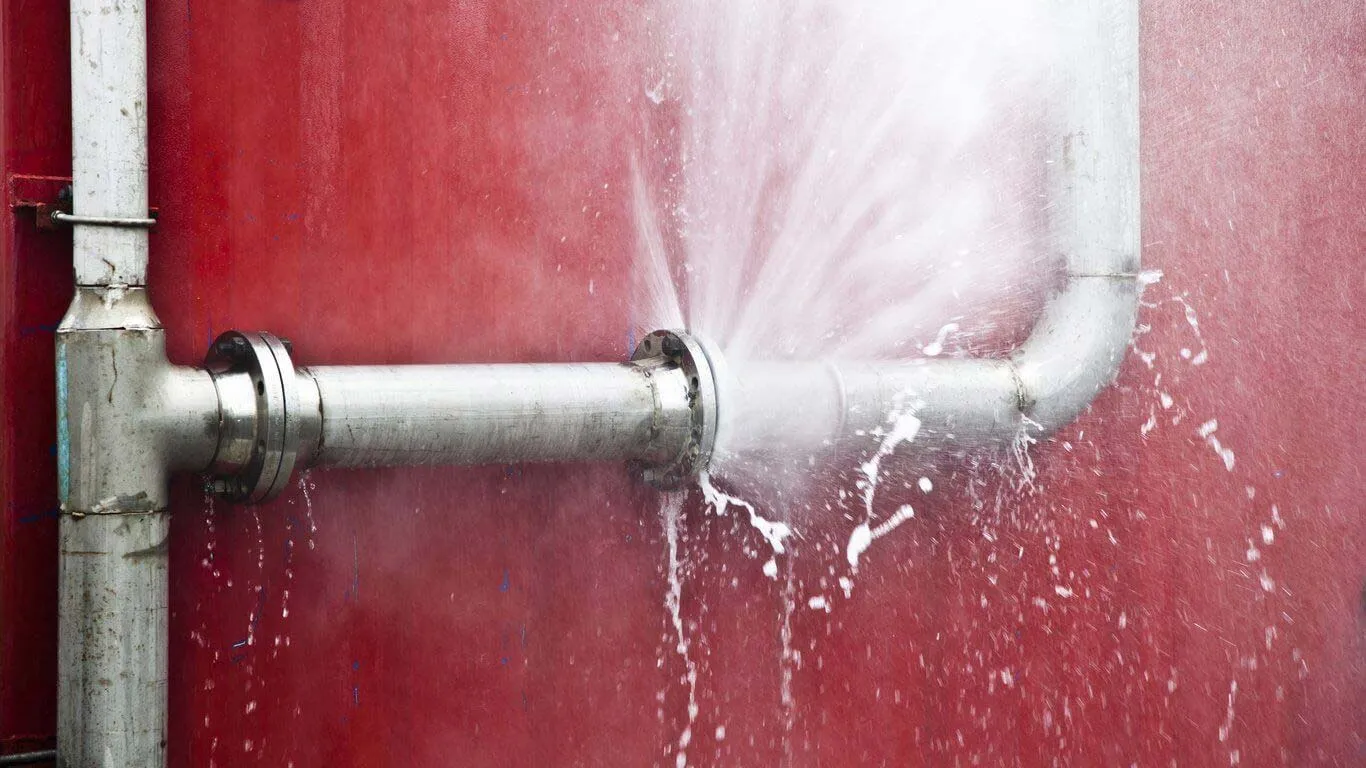
When water is spreading through your home, you want the crew that knows Marion County's housing — the 1980s slab construction, the older downtown homes, the well-and-septic pockets on the edges of town — and knows how to document a loss for the insurer you actually have. Good water damage restoration in Ocala is as much about reading the local building stock as it is about the drying gear, and that local read is the difference between a clean dry-out and weeks of back-and-forth.
They came and did the work and were gone. Very professional, know what they are doing, and cleanup like they were never here. They had it done in a week. I would highly recommend Paul Davis Restoration to anyone.
Every restoration job starts with understanding the local conditions that made it worse. These are the factors our crews see repeatedly across Ocala properties.
Ocala sits on sinkhole-prone limestone with groundwater close to the surface, so water that gets under a slab has nowhere to drain and migrates sideways through the foundation. We map that hidden moisture with thermal imaging before it reaches framing — surface drying alone won't catch it here.
Those afternoon downpours overwhelm aging gutters and drainage and push water through roof penetrations and window frames, especially on the older homes around the historic district. We trace intrusion back to the entry point so the same wall isn't soaked again next storm.
Storms like Idalia in 2023 and Nicole in 2022 don't need a direct hit to flood Ocala — their rain bands alone overwhelm low-lying areas near the Ocklawaha and Lake Weir. We handle the Category 3 floodwater those events bring, including full containment and antimicrobial treatment of slab floors and lower walls.
Much of Silver Springs Shores, Marion Oaks, and the surrounding subdivisions runs on original supply lines, water heaters, and slab plumbing now well past their service life. When those fail, the leak is often behind a wall or under the slab — detection and access matter as much as the drying.
In communities like On Top of the World and Stone Creek, embedded slab plumbing is a common failure point, and seasonal residents may be away when a slow leak starts. By the time it's found, water has wicked into flooring and cabinetry — we dry the slab and assemblies to standard rather than just pulling the visible wet material.
Certified restoration technicians on every job, direct insurance billing, and daily updates from first assessment through final walkthrough.
Call any hour. We dispatch a certified technician to your Ocala property within 60 minutes, 24/7, with extraction and drying equipment already on the truck — no separate assessment visit, no waiting on a callback.
Thermal imaging and calibrated moisture meters map every wet zone — wall cavities, subfloor, and the slab itself, which matters in Ocala where groundwater and slab leaks hide moisture that looks dry on the surface.
Truck-mount and portable extractors pull standing water from carpet, hardwood, tile, and subfloor assemblies. The faster the water is out, the smaller the restoration scope — every hour counts at our humidity.
LGR dehumidifiers and high-velocity air movers create a controlled drying environment sized to the loss. Daily moisture readings track progress and build the documented record your adjuster needs.
Once materials hit dry standard, we restore the affected areas to pre-loss condition. Final readings confirm clearance and close out the drying log — so the wall going back up is provably dry.
In Depth — Ocala
Water from a supply line, fixture, or appliance. It carries the lowest contamination risk — but it has to be extracted and dried within hours, because at Ocala humidity Category 1 escalates to Category 2 fast.
This is the everyday Ocala loss: a burst copper line in a downtown historic home, a failed water heater in a Marion Oaks slab house, a dishwasher or ice-maker hose letting go in Silver Springs Shores. Caught early, these dry clean — which is exactly why fast dispatch matters.
Water from washing machines, dishwashers, or toilet overflow without solids. It carries microorganisms and needs antimicrobial treatment, not just extraction.
On the aging appliance and fixture lines common across Ocala's '80s-era subdivisions, a clean-water leak that's sat a day or two is realistically Category 2 by the time we arrive. We treat it accordingly so nothing is sealed up wet behind new drywall.
Sewage, storm floodwater, or groundwater intrusion — the highest contamination risk. It requires full containment, antimicrobial treatment, and removal of porous materials it has touched.
Septic backups in the outlying Marion County neighborhoods and storm flooding off the Ocklawaha and Lake Weir both bring Category 3 water into homes. With the shallow local water table, groundwater intrusion through a slab counts too — we contain, sanitize, and document every affected surface.
Water left in an Ocala home turns into a health problem quickly, and the humidity is the reason. Mold can begin colonizing damp drywall, baseboards, and subfloor within the first 24 hours of intrusion — faster than in drier climates — which is why we get a certified crew moving the same day rather than waiting on an appointment. Category 2 and Category 3 events raise the stakes further: gray and black water carry bacteria and, in the case of septic backups and storm flooding common in the outlying parts of Marion County, pathogens that don't simply dry out. Porous materials those waters have touched come out, the cavity is sanitized, and the space is dried to standard before anything is closed back up. For households with kids, older residents, or anyone with asthma or a compromised immune system — a real consideration in Ocala's many 55-plus communities — that difference is what protects indoor air quality through the rebuild.
Paul Davis is a certified restoration company, and the crews handling water damage restoration in Ocala work to IICRC S500 standards — the same standard your insurer's adjuster is measuring the job against. Our technicians are trained in water mitigation and structural drying, and every job carries general liability and workers' compensation coverage for the protection of Marion County property owners. The practical payoff for you: the drying is done to a documented standard, not by eye, and the paperwork lines up with what the carrier expects.
What to tell us when you call
Type of damage — general location in the home — whether the source is still active — whether the building is safe to enter. We handle everything else.
Ocala's commercial water losses don't behave like residential ones, and they can't be handled the same way. A flooded medical office along the I-75 corridor, a retail space downtown, a barn or clubhouse out near the World Equestrian Center — each comes with business-interruption pressure, commercial flooring and ceiling systems, and HVAC infrastructure that a residential scope simply doesn't account for. We move faster on extraction to limit downtime, coordinate directly with property managers and commercial adjusters, and stage drying so the parts of the operation that can stay open, stay open.
Paul Davis keeps commercial response protocols ready for Marion County business owners and property managers.
Two things about this area make water damage restoration in Ocala a recurring need rather than a freak event. The first is underfoot: the city sits on karst limestone with the Floridan Aquifer close to the surface, so the water table is shallow and the ground is sinkhole-prone. Water that gets beneath a slab doesn't drain away — it migrates sideways through the foundation and up into framing, which is why a slab leak in a Marion Oaks home can show up as a soft spot three rooms away. The second is the sky: most of Ocala's rain falls in concentrated wet-season downpours between June and September, the kind of volume that overwhelms older drainage and pushes water through roof penetrations and window frames on the historic-district homes that predate modern flashing. Neither problem is going away, which is the case for knowing a restoration contractor's number before you need it.
Most of Ocala's urban core sits in the lower-risk FEMA flood zones, but that reassurance ends at the water. The lots along the Ocklawaha River on the east side of Marion County and the homes around the Lake Weir chain to the southeast fall in the AE high-risk zones for a reason — when a tropical system parks rain over the area, those low elevations are where it collects. Idalia in 2023 and Nicole the year before both made the point without ever scoring a direct hit on Ocala: the rain bands alone were enough to put water into homes that had stayed dry for years. A standard homeowner's policy won't cover that rising water — it takes an NFIP or private flood policy — so knowing your flood-zone designation is the first line of defense, and having a crew that can respond to Category 3 floodwater is the second.
Florida's insurance market has been rough on Ocala homeowners — premiums are among the highest in the country, several private carriers pulled out of the state between 2022 and 2024, and a lot of Marion County policies now sit with Citizens or a handful of remaining insurers. In that environment, documentation isn't a formality; it's the difference between a claim that moves and one that stalls. Every Paul Davis job builds the evidentiary record an adjuster needs — timestamped moisture readings, equipment logs, photos, and a line-item estimate — to support a sudden-and-accidental claim. We can't change what your policy covers, but we can make sure the loss is documented well enough that nothing is denied for lack of proof.
The water damage that costs the most in Ocala is the kind nobody sees for a week. A pinhole in a slab supply line, a drip behind a vanity, a seasonal resident's home sitting empty while a toilet supply weeps — by the time the floor cups or the smell arrives, moisture has spread into cabinetry, subfloor, and wall cavities. This is where moisture mapping earns its keep: rather than guessing, we read the actual moisture content of materials and follow it back to the source, so the drying covers everywhere the water actually went, not just the visible stain. It's also why we don't sign off by eye — final clearance is a number, confirmed and logged.
From our office we reach most of Ocala in minutes, and we adjust routing to hold response times out to Belleview, Silver Springs, Summerfield, Dunnellon, and Anthony. We dispatch on the call itself — you won't wait for a return call or an assessment appointment before the work starts. When water is spreading, the first hour shapes the size of the entire job, so the truck rolls with extraction and drying equipment already aboard.
Florida Emergency Hotline — 24 hours a day
Request a Free Estimate →Containment, removal, and prevention — from hidden growth to whole-house remediation.
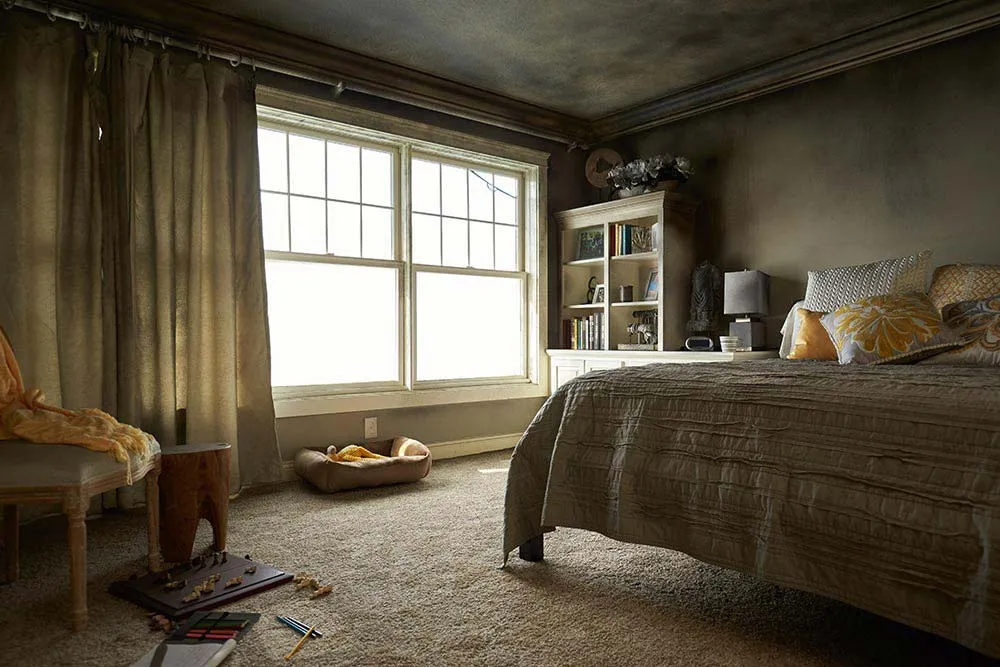
Soot removal, odor neutralization, structure cleaning, and contents pack-out.
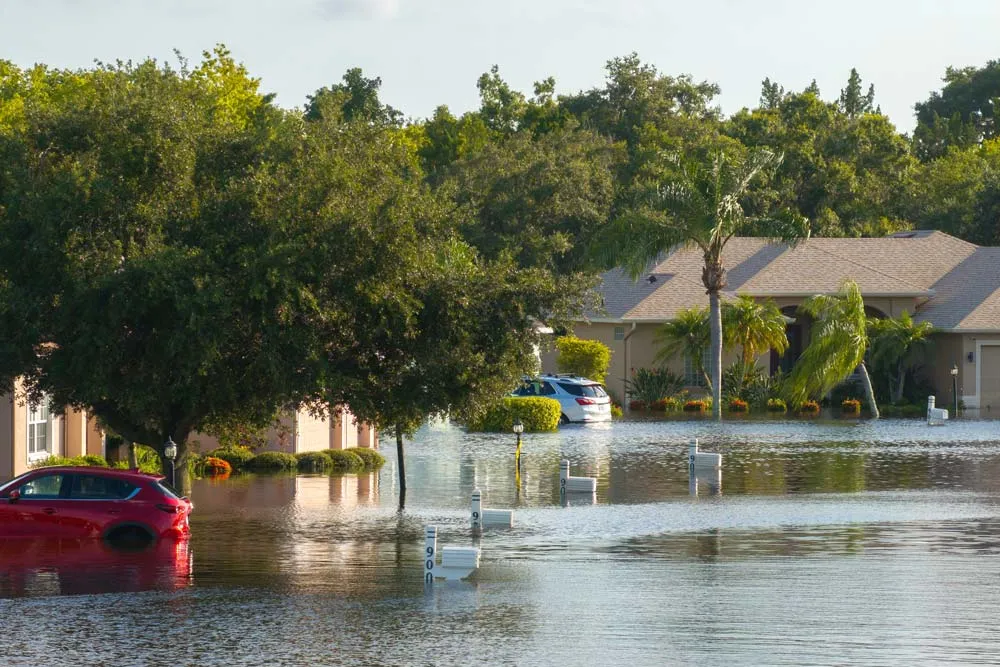
Hurricane, tornado, hail — emergency tarping, board-up, and full structural restoration.
From framing to finish — drywall, flooring, cabinetry, paint. One contractor, start to finish.
After major damage in Ocala, you may need to reach a local department — the building office for permits and structural inspections, the health department for mold or contamination questions, or fire-rescue for a fire-damage assessment. Here are the offices serving Ocala. Paul Davis is always one call away and can help you navigate the process.
Health Department
Florida Dept of Health — Marion County
1801 SE 32nd Ave, Ocala, FL 34471
(352) 629-0137Contact information is accurate to the best of our knowledge at time of publication. Paul Davis Restoration is not responsible for changes to agency contact information, hours, or services. For the most current information please contact the agency directly.
We dispatch within 60 minutes of your call and reach most of Ocala in minutes under normal conditions, with adjusted routing for Belleview, Silver Springs, Summerfield, Dunnellon, and Anthony. Because water damage restoration in Ocala is time-sensitive at our humidity, the crew arrives with extraction and drying equipment already on the truck — there's no separate assessment visit before work begins.
Two local factors. Ocala's humidity lets mold begin colonizing wet materials within about 24 hours, and the shallow water table over karst limestone means water that gets under a slab migrates sideways through the foundation instead of draining. That combination is why a small leak here becomes a structural problem faster than it would in a drier climate — and why same-day response matters.
Those communities are largely slab-on-grade homes from the building waves of the '70s and '80s, so embedded supply lines and water heaters are now past their service life, and a slab leak can wick across floors for days before it's noticed. We use thermal imaging and moisture meters to find leaks under the slab and dry the assemblies to standard, not just the visible wet area.
Most Florida homeowner policies cover sudden, accidental water damage — a burst pipe, an appliance failure, a roof intrusion. Rising water from the Ocklawaha, Lake Weir, or storm flooding generally is not covered by a standard policy and needs separate NFIP or private flood coverage. Gradual damage from deferred maintenance is usually excluded. We document the loss thoroughly so a covered claim has the proof it needs.
Extraction removes the standing water. Structural drying removes the moisture that framing, drywall, insulation, and subfloor have absorbed — which remains even after the surface looks dry. Both steps are required for a complete restoration; skipping the drying is how mold and rot get sealed inside a wall.
Most residential water losses dry in three to five days with proper equipment placement. Concrete slabs — common across Ocala — cabinets, and structural wood can extend that. We take daily moisture readings so you and your adjuster can watch the progress and know the clearance is based on a number, not a guess.
Structural repairs — replacing framing, subfloor sheathing, or significant wall assemblies — typically require a permit through the Marion County Building Department. Paul Davis coordinates those permit requirements as part of the restoration scope so the rebuild is done to code.
Call now and we dispatch within 60 minutes — day or night, weekends and holidays. The sooner extraction starts, the smaller the restoration scope. Every hour matters.