
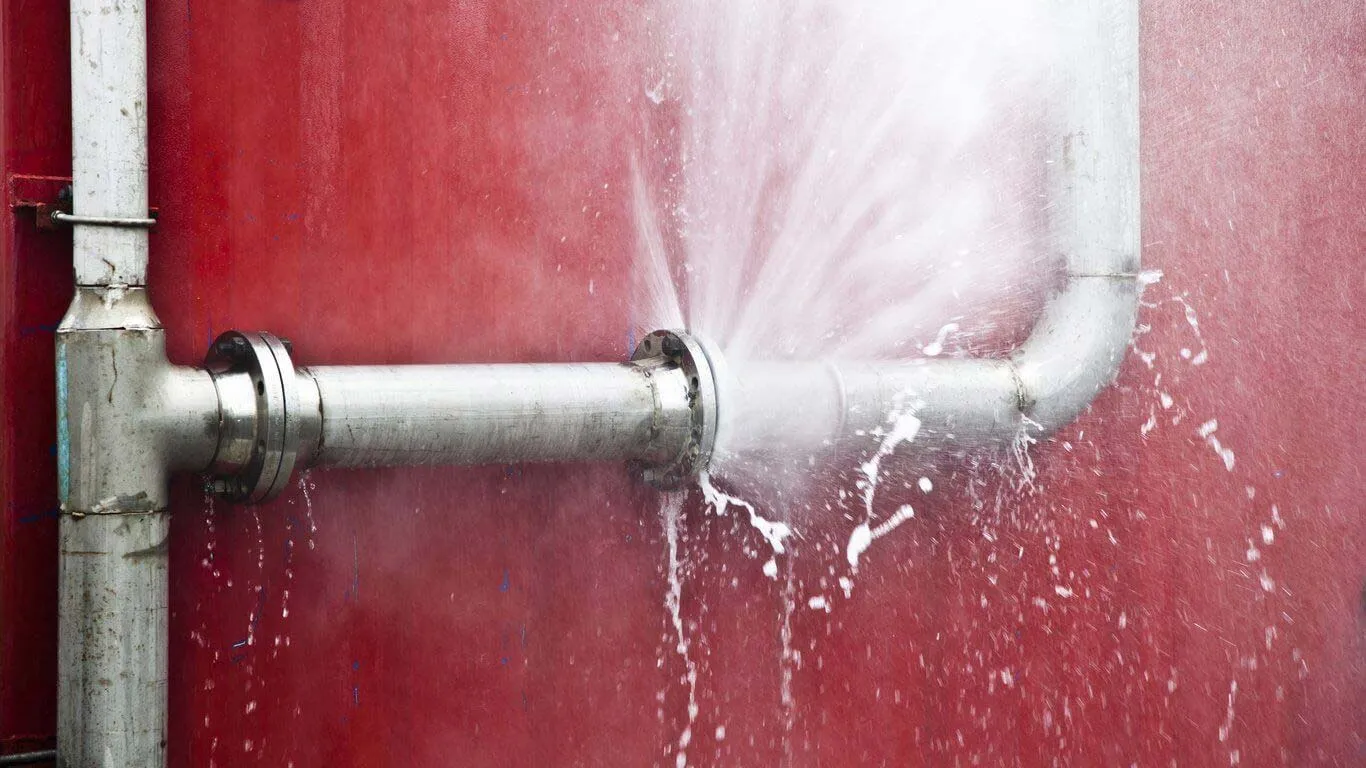
Water Damage Restoration
Burst pipes, appliance leaks, and flooding. We extract, dry, and document every reading for your insurer.

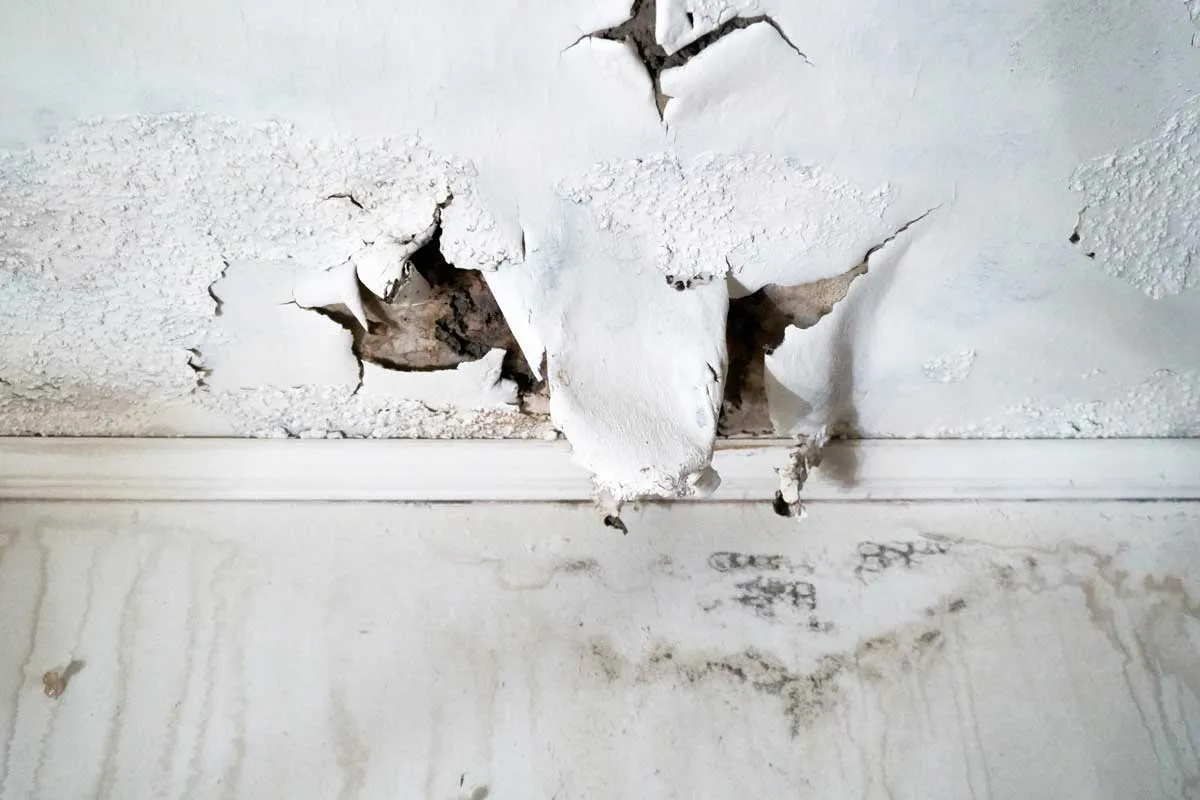
A musty smell that won't quit, or dark spotting spreading on a wall, usually means mold has been at work behind the scenes for a while. Paul Davis handles mold remediation in Leesburg the right way — find the moisture feeding it, contain the area so spores don't spread, remove what's affected, and verify the space is clear before closing it back up.
A Paul Davis dispatcher will call you within minutes. Keep your phone nearby.
Need to talk now? Call us directly
Also serving Lady Lake, Fruitland Park, Tavares, and The Villages, and all Lake County communities.
Two things make Leesburg homes prone to it. The first is age: with the median home dating to the mid-1980s and downtown running older, the housing stock has hidden wall cavities, limited vapor barriers, and aging roofs — all places moisture can sit unseen and feed mold growth. The second is the lake humidity that comes with living on the Harris Chain, which keeps indoor moisture elevated for much of the year.
And then there's the flooding. When the rain behind Hurricane Ian drove the Harris Chain into low-lying Leesburg neighborhoods in September 2022, the homes that took on water faced a second wave weeks later — mold, in everything that wasn't dried to standard. Flood mold is some of the worst, because the water is contaminated and it soaks deep into structure. Whatever the source here, surface scrubbing won't fix it, and at our humidity what you leave behind comes back.
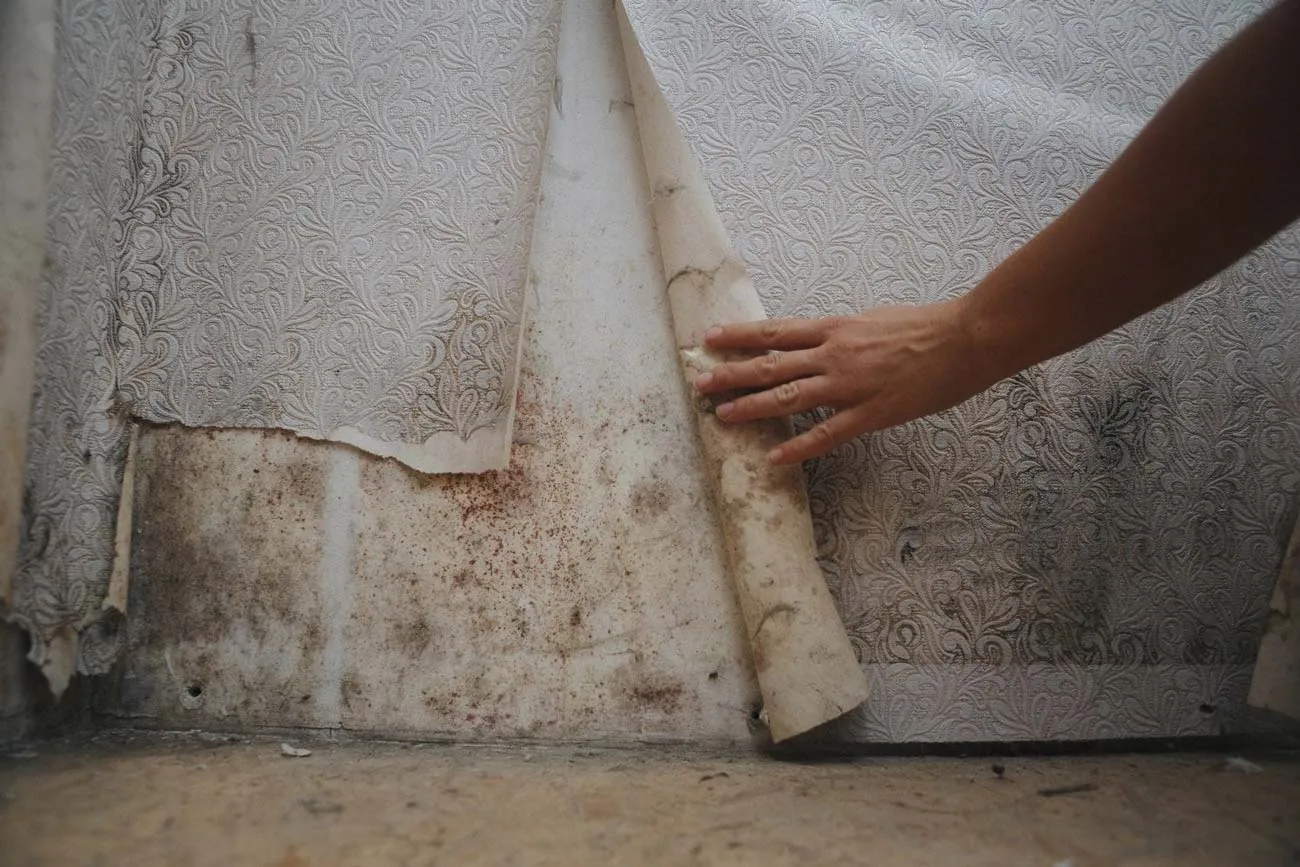
Mold remediation in Leesburg is only as good as the moisture work behind it, and in older homes near the water that moisture is often hidden. Paul Davis is a certified restoration company that finds and corrects the source, contains the work so spores don't travel through your home, and verifies the result. That discipline is the difference between a real remediation and a cosmetic one that returns by next season.
Excellent experience. Our insurance company recommended them. They arrived quickly and everyone was very professional. Communication was something that they excelled in — I always felt that they were on top of everything.
Every restoration job starts with understanding the local conditions that made it worse. These are the factors our crews see repeatedly across Leesburg properties.
Leesburg's older homes give moisture more places to hide, so mold growth is often well established inside walls and under floors before it's visible. A proper mold inspection with moisture mapping finds the full extent before any work starts.
Living on the chain keeps ambient humidity high, so indoor surfaces that don't get airflow stay damp enough for mold. We correct the moisture condition, not just the colony, so it doesn't simply return.
When lake floodwater enters a home — as it did across Leesburg behind Hurricane Ian in 2022 — anything not dried to standard grows mold within days, and the contamination is Category 3. We contain, remove, and treat rather than surface-clean.
A roof that has leaked into a hot Leesburg attic is a frequent source of attic mold, often unnoticed until the smell reaches the living space. We find the intrusion and remediate the growth it fed.
Aging supply lines and drains leak quietly behind walls and under cabinets, feeding cavity mold for weeks. We trace the moisture to its source and confirm the structure is dry before remediation.
Certified restoration technicians on every job, direct insurance billing, and daily updates from first assessment through final walkthrough.
We don't treat mold without finding what's feeding it. Thermal imaging and moisture meters locate the water source — a leak, condensation, or intrusion — because remediation that skips the source just grows back.
We seal the work area and run HEPA-filtered negative air so spores don't spread to clean parts of the home during removal — the step that separates real remediation from a bleach-and-pray cleanup.
Porous materials that mold has colonized — drywall, insulation, trim — are removed and bagged inside containment. Salvageable surfaces are cleaned rather than discarded where appropriate.
Every surface in the containment is HEPA-vacuumed and treated with an antimicrobial, and the air is scrubbed, bringing the space back toward a normal fungal ecology.
We confirm the work with post-remediation verification and correct the moisture condition that started it, so the area stays dry and clear after the containment comes down.
In Depth — Leesburg
Visible growth on walls, grout, or trim from localized humidity or condensation. Cleanable early — but the moisture cause must be corrected.
In Leesburg this shows up in bathrooms, laundry rooms, and on exterior-wall closets where the lake humidity and limited airflow let surfaces stay damp.
Widespread growth following contaminated floodwater or spread through the HVAC system. Requires containment, material removal, and air scrubbing.
After the Harris Chain flooding, undried homes faced systemic mold in walls, flooring, and ductwork — the kind that requires full containment, not a cleanup.
Mold is an indoor-air problem as much as a building one, and in Leesburg's older homes it tends to be well established before anyone acts on it — which raises the exposure. Mold growth releases spores and irritants that aggravate asthma, allergies, and other respiratory conditions, and flood mold can carry additional contamination from the water that fed it. Containment matters because disturbing mold without it sends spores through the home and into the HVAC system, turning a localized problem into a whole-house one. Paul Davis works inside sealed containment under negative air pressure, removes affected porous materials rather than painting over them, HEPA-cleans the space, and scrubs the air, so the result is genuinely remediated.
Paul Davis is a certified restoration company, and the crews handling mold remediation in Leesburg work to IICRC S520 standards — the recognized standard for professional mold remediation. Our technicians are trained in containment, HEPA cleaning, and moisture control, and every job carries general liability and workers' compensation coverage for the protection of Lake County property owners. The practical payoff: the remediation is verified and the moisture source corrected, so the problem is solved rather than postponed.
What to tell us when you call
Type of damage — general location in the home — whether the source is still active — whether the building is safe to enter. We handle everything else.
The historic storefronts downtown, the medical offices and hospital district, and the retail along US-27 and US-441 all face commercial mold from roof leaks, chronic humidity, and undried water losses — and after a flood event, many at once. Commercial mold carries occupant-health complaints and business interruption a home doesn't. We contain and remediate with minimal disruption, coordinate with property managers and adjusters, and document the work and moisture correction so the building returns to normal use with confidence.
Paul Davis keeps commercial mold protocols ready for Leesburg business owners and property managers.
Mold needs moisture, a food source, and time, and Leesburg's older homes near the water supply the first two readily. The lake humidity off the Harris Chain keeps ambient moisture high, while aging construction — original wall assemblies, limited vapor barriers, older roofs — gives that moisture places to hide and dwell. Add a slow plumbing leak or a roof that's been letting water into the attic, and mold has everything it needs. That's why our remediation always begins by finding and correcting the source. Clean the visible growth without addressing the leak or the humidity, and in Leesburg's climate it returns within weeks; fix the moisture and remediate properly, and the space stays clear.
Living on or near the Harris Chain is the appeal of Leesburg — and the reason flood mold is a real risk here. When the chain rose into low-lying neighborhoods behind Hurricane Ian in 2022, the homes that weren't dried to standard within a couple of days grew mold in walls, flooring, and ductwork. Flood mold is among the worst kind, because the floodwater is Category 3 contaminated and soaks deep into porous structure. It cannot be surface-cleaned; it has to be contained, the affected materials removed, and the space HEPA-cleaned and verified. If your home floods, the speed of the dry-out determines whether you face a mold remediation at all.
Bleach and a sponge feel like a solution, but in Leesburg they fail on two counts. They leave the moisture source — a leak, a humidity problem, undried flood water — so the mold returns, and scrubbing dry mold without containment lifts spores into the air and the HVAC system, spreading it. Professional containment, negative air, material removal, HEPA cleaning, and verification exist to prevent both. In an older home with hidden cavities, that thoroughness matters even more, because what's visible is usually a fraction of what's there. The goal is a verified return to normal fungal ecology with the moisture corrected.
Unaddressed mold in a Leesburg home isn't only a health and structural issue — it shows up in inspections at sale and can complicate insurance, especially after a flood event. A documented, professionally verified remediation is worth far more than a cosmetic cleanup. Paul Davis provides the documentation — moisture findings, scope, and clearance verification — that gives buyers, agents, and adjusters confidence the problem was genuinely resolved rather than covered over. In an older-home market, that proof protects the value you've invested.
When you call us out, the visit starts with a mold inspection rather than a quote to start demolition — and in Leesburg's older, lake-area homes, that inspection earns its keep, because what is visible is usually a fraction of what is there. We walk the home with moisture meters and thermal imaging, opening up the likely hiding places: the attic mold under an aging roof that has been leaking, the bathroom mold around tubs and grout, and the hidden cavity growth that a slow plumbing leak feeds behind a wall for weeks. We check the HVAC system too, since mold in the ductwork spreads spores through the whole house every cycle. After a flood — and Leesburg has seen the Harris Chain rise into homes — we go further, because contaminated floodwater drives growth deep into structure that a surface look will miss entirely. If the growth looks like black mold, we don't identify the species by eye; we treat any significant colony to the same professional standard, because the containment and removal process is the same regardless of color, and we arrange laboratory testing only when it will change what we do. What you get is a clear, written scope: where the mold is, what is feeding it, what must be removed versus cleaned, and how we will verify the result. In an older home full of hidden cavities, that map is the difference between a remediation that holds and one that reopens the wall in a month.
Mold grows every day the moisture runs, and after a flood the clock is especially short. We respond quickly across Leesburg and adjust routing for Fruitland Park, Lady Lake, Tavares, and Okahumpka, starting with inspection and moisture diagnosis. If your home took on water or you're smelling mold, call before disturbing anything so we can contain it properly.
Florida Emergency Hotline — 24 hours a day
Request a Free Estimate →Burst pipes, appliance leaks, and flooding. We extract, dry, and document every reading for your insurer.
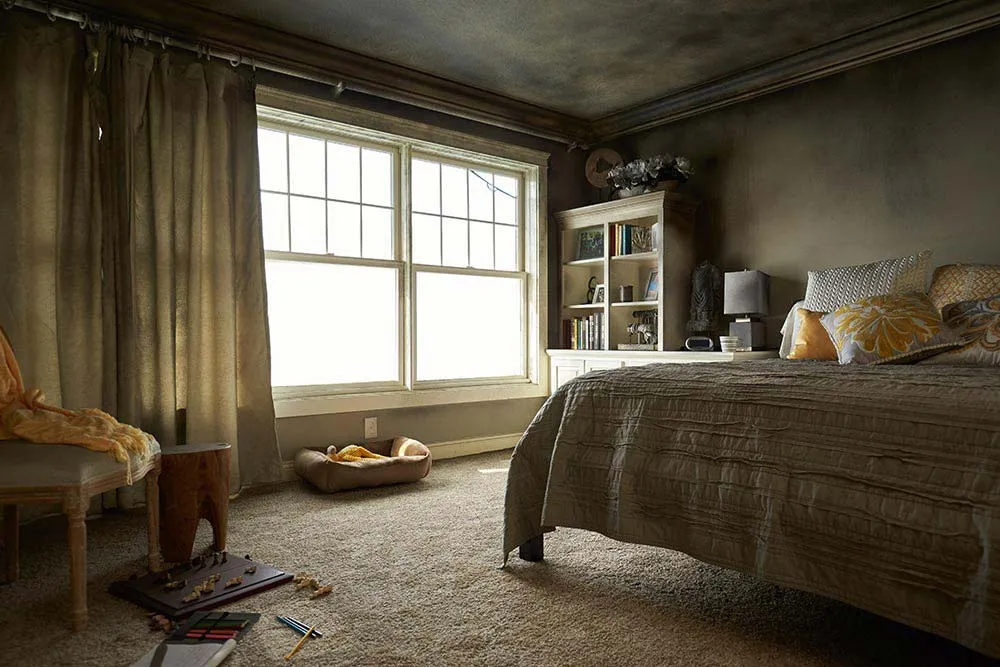
Soot removal, odor neutralization, structure cleaning, and contents pack-out.
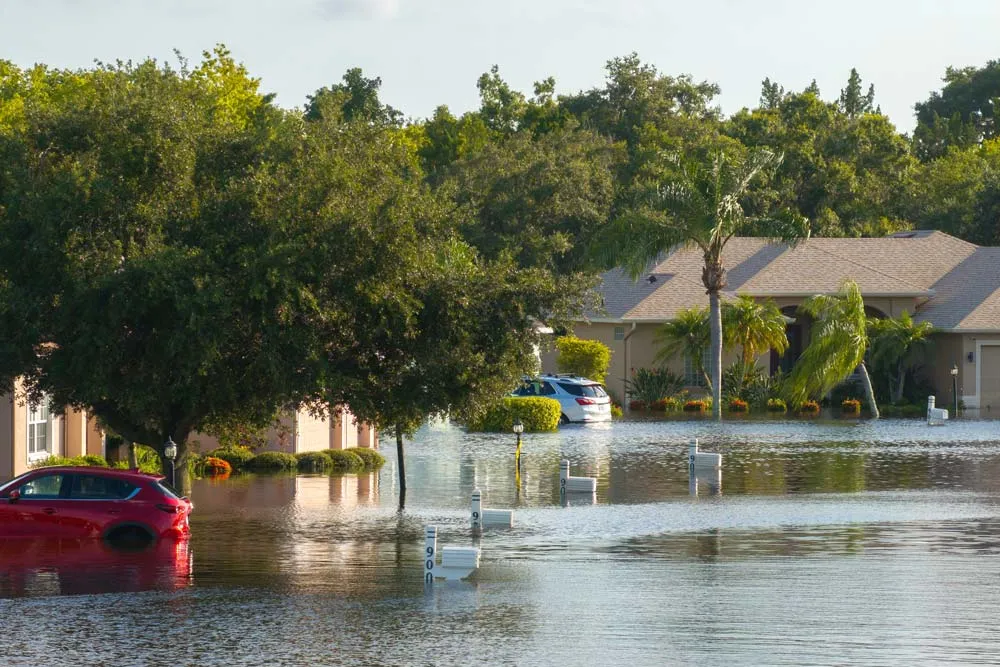
Hurricane, tornado, hail — emergency tarping, board-up, and full structural restoration.
From framing to finish — drywall, flooring, cabinetry, paint. One contractor, start to finish.
After major damage in Leesburg, you may need to reach a local department — the building office for permits and structural inspections, the health department for mold or contamination questions, or fire-rescue for a fire-damage assessment. Here are the offices serving Leesburg. Paul Davis is always one call away and can help you navigate the process.
Building Department
City of Leesburg Building Division
204 N 5th St, Leesburg, FL 34748
(352) 728-9735Health Department
Florida Dept of Health — Lake County
2113 Griffin Rd, Leesburg, FL 34748
(352) 589-6424Fire Department
Leesburg Fire Department (non-emergency)
201 S Canal St, Leesburg, FL 34748
(352) 728-9780Contact information is accurate to the best of our knowledge at time of publication. Paul Davis Restoration is not responsible for changes to agency contact information, hours, or services. For the most current information please contact the agency directly.
Fast. After contaminated floodwater enters, mold can begin growing in undried materials within a couple of days, and the contamination is Category 3. The speed of the professional dry-out largely determines whether you face a mold remediation. If your Leesburg home took on lake water, call before disturbing anything so we can dry, contain, and remediate safely.
Yes. Leesburg's older homes often have hidden wall cavities, limited vapor barriers, and aging roofs, so moisture finds places to sit and feed mold, and growth is usually well established before it's visible. We use moisture mapping and inspection to find the full extent rather than just treating the surface.
A small surface spot can sometimes be cleaned, but DIY leaves the moisture source so it returns, and scrubbing without containment spreads spores through the home and ductwork. In older Leesburg homes where mold is often hidden and widespread, professional remediation is the safer call.
Because the moisture source was never corrected — a roof or plumbing leak, lake humidity, or flood water that wasn't fully dried. Our remediation in Leesburg always starts by finding and fixing that source; without it, any cleanup is temporary.
It depends on the cause. Many Florida policies cover mold resulting from a covered, sudden water loss but exclude mold from long-term humidity or maintenance, and some cap mold coverage. Flood-related mold ties to your flood policy. We document the source and work so a covered claim has support.
Rather than guess from color, we contain and remediate any significant growth to professional standard regardless of species — the precautions and process are the same. Testing can be arranged if warranted.
A contained surface remediation may take a day or two; post-flood or systemic mold involving structure and ductwork takes longer. We give you a scope after the inspection and verify with post-remediation testing before reopening the area.
Call now for a certified mold inspection and remediation. We find the moisture feeding it, contain the work, and verify the result — so it's solved, not postponed.