
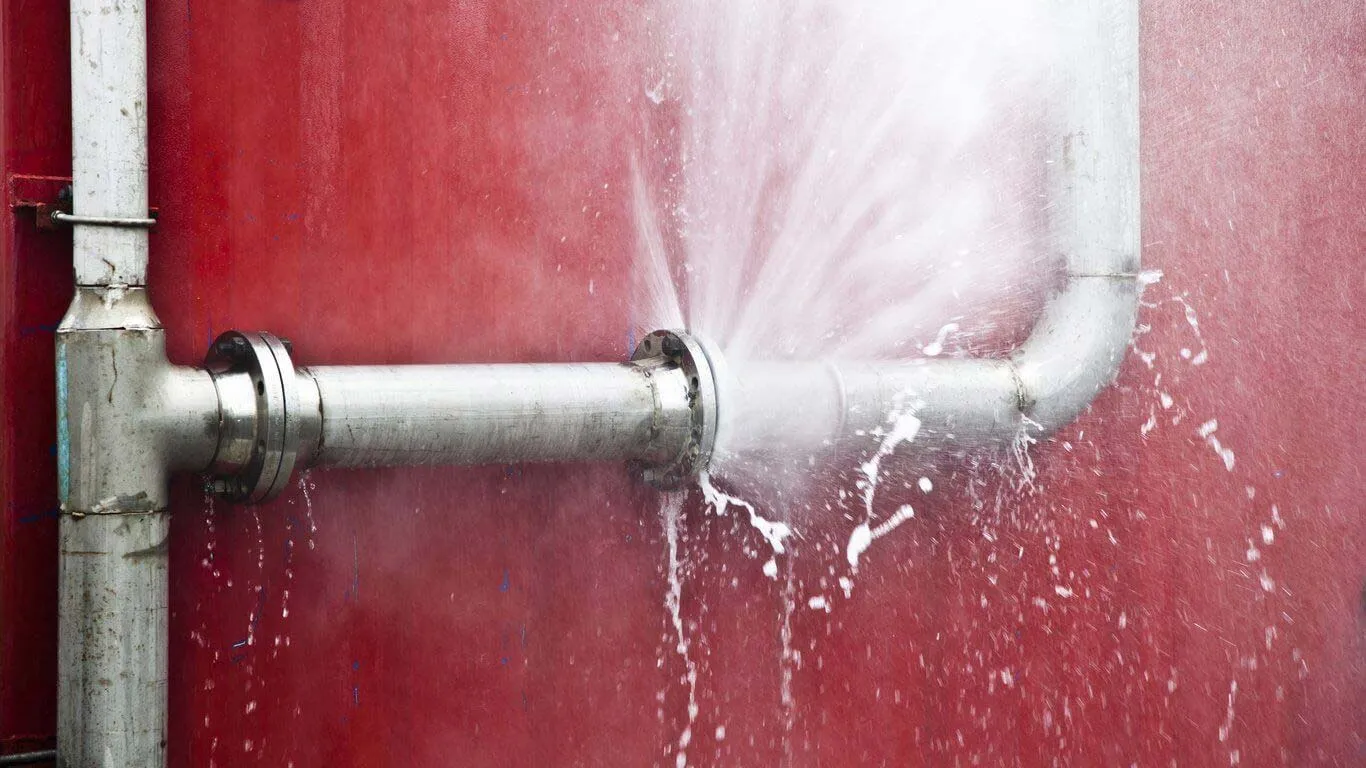
Water Damage Restoration
Burst pipes, appliance leaks, and flooding. We extract, dry, and document every reading for your insurer.

Leesburg sits at the center of Lake County's Harris Chain of Lakes, and its relationship with water is defined year-round — but especially during storm season. Hurricane Ian's track in September 2022 brought prolonged heavy rainfall across Marion, Sumter and Lake Counties, causing Lake Griffin and connected waters to rise significantly. The flooding impact across Lake County reached an estimated $4.5 million in residential and infrastructure damage. Homes along Lake Griffin, Lake Harris, and Little Lake Harris faced rising water from below while simultaneously dealing with wind damage from above. Paul Davis Restoration has served Lake County through storm events large and small, and Leesburg's specific geography around the Harris Chain informs how we approach every storm response in this area.
A Paul Davis dispatcher will call you within minutes. Keep your phone nearby.
Need to talk now? Call us directly
Also serving Lady Lake, Fruitland Park, Tavares, and The Villages, and all Lake County communities.
Leesburg's housing stock spans several construction eras. The historic downtown area and older lakefront neighborhoods contain homes built in the 1940s through 1970s with construction characteristics — roof framing, window seals, drainage systems — that weren't engineered for contemporary Florida storm loads. A storm-damaged roof in an older Leesburg home often requires more investigation than newer construction: older sheathing fastening, original single-pane windows, and aging flat or low-slope roof sections on additions all create additional water entry points. Wind-driven rain that enters a 1960s concrete block home distributes through the structure differently than in newer wood-frame construction, which changes how we approach both the water extraction and the rebuild.
Paul Davis Restoration responds to storm damage emergencies across Leesburg, Tavares, Fruitland Park, and surrounding Lake County communities around the clock. Emergency tarping is deployed within 60 minutes to stop active water entry. We bring thermal imaging and moisture mapping to every inspection — lake-adjacent homes with rising groundwater often show moisture in unexpected locations that a standard visual inspection would miss entirely. Complete insurance documentation is prepared from the first visit, and we bill most major Florida carriers directly to simplify your claim process.
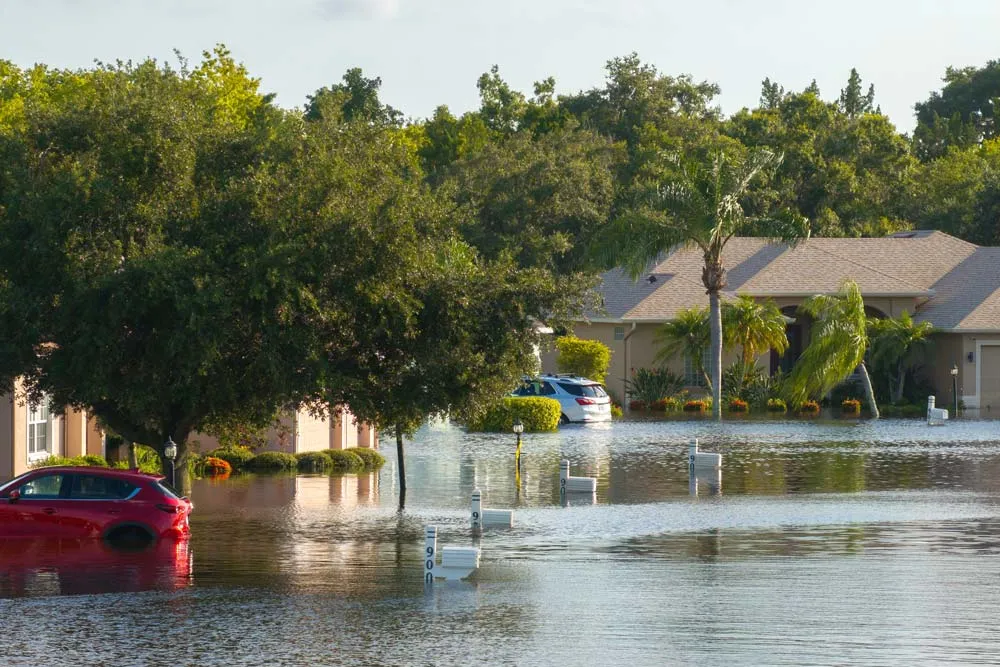
Lake County storm damage involves both wind and water in almost every major event. Our crews understand the difference between water intrusion from a roof breach and water migration from rising lake levels — the drying approach, the material removal decisions, and the reconstruction scope are different for each, and misidentifying the source leads to incomplete repairs.
I had a pipe leak in my kitchen and they arrived within an hour to dry everything up. They worked with my insurance company and completed the repairs quickly and around my schedule.
Every restoration job starts with understanding the local conditions that made it worse. These are the factors our crews see repeatedly across Leesburg properties.
The Harris Chain's interconnected lakes rise and fall with cumulative rainfall across a wide watershed. During prolonged storm events, lake levels rise faster than surrounding drainage infrastructure can compensate, putting lakefront and near-lake homes at flooding risk even without direct roof damage.
Leesburg's position in Florida makes it vulnerable to weakening-but-still-dangerous tropical systems that track inland. Older rooflines with aged shingles, flat roof sections, and original tile — common in Leesburg's established neighborhoods — are more vulnerable to wind uplift than newer roofing systems.
Leesburg's older neighborhoods have mature live oak, camphor, and pine canopy. Large-diameter trees adjacent to homes represent significant debris impact risk during high-wind events. A fallen tree on an older roof can cause structural damage that extends well beyond the visible impact zone.
Lake County's flat terrain and high water table mean the ground reaches saturation quickly during extended rain events. Once saturated, water migrates toward the lowest available point — often a slab foundation or crawl space in older construction near the lake chain.
Certified restoration technicians on every job, direct insurance billing, and daily updates from first assessment through final walkthrough.
60-minute response to secure breached roofing, board compromised openings, and stabilize any active structural concerns. Debris documentation begins on arrival to protect your insurance record.
Standing water removed by high-capacity extractors. Structural drying equipment deployed to attic, wall cavities, and subfloor. Daily moisture monitoring tracks drying progress.
Tree and limb debris removed, damaged non-salvageable materials extracted, and affected areas prepared for drying and reconstruction.
Thermal imaging and moisture meters guide equipment placement. Antimicrobial treatment applied wherever prolonged moisture contact has elevated mold risk.
Complete rebuild from structural repairs through roofing, drywall, flooring, and finishes. Paul Davis manages permits and coordinates with your insurance adjuster throughout.
In Depth — Leesburg
Wind uplift, missing shingles, cracked or displaced tile, and damaged soffits and fascia are the most common storm damage types in Leesburg's residential neighborhoods.
Leesburg's older homes frequently have original 3-tab shingles or barrel tile approaching the end of their serviceable life. Storm events that would leave a newer roof intact can strip or crack aging materials, creating large open areas that require immediate emergency tarping.
Both above (roof breaches) and below (rising water table, lake levels) water intrusion occur during major storm events, requiring different mitigation strategies applied simultaneously.
During Ian's passage in 2022, several Leesburg lakefront communities saw water entering through slabs and low threshold entries before any roof damage was present. This type of flood damage requires contamination protocols and structural assessment beyond standard water extraction.
Fallen trees and large limbs cause direct structural damage to roofs, walls, and attached structures, exposing the home to water entry until the breach is secured.
Properties in Leesburg's older neighborhoods with mature tree canopy adjacent to structures — particularly large live oaks whose root systems can destabilize in saturated soil — face elevated debris impact risk during high-wind events.
Flood damage from rising lake water carries contamination risk beyond what standard rainwater intrusion presents. Category 2 or Category 3 water — water that has contacted ground surface, septic systems, or lake sediment — contains biological contaminants that require specialized handling. Materials that absorb contaminated floodwater cannot be dried in place and must be removed. Residents who re-enter flood-damaged homes before proper remediation face exposure to bacteria, pathogens, and microbial growth. Paul Davis assesses water category on every storm job and adjusts our protocol accordingly — drying in place is not appropriate for flood water contamination, regardless of how dry the materials appear on the surface.
Paul Davis Restoration technicians are trained to IICRC standards for water damage and flood remediation. We maintain calibrated moisture measurement equipment and document every reading in our storm response reports. Our documentation format aligns with what Florida insurance adjusters use to evaluate claims, which reduces disputes and speeds claim resolution for Leesburg homeowners.
What to tell us when you call
Type of damage — general location in the home — whether the source is still active — whether the building is safe to enter. We handle everything else.
Leesburg's commercial corridors along US 441 and downtown Main Street, as well as the area's medical facilities and light industrial properties, require rapid storm response to minimize business interruption. Paul Davis has worked with commercial property owners throughout Lake County on storm events ranging from individual building damage to multi-building campus situations. We provide insurance-standard documentation, coordinate with your property manager, and mobilize multiple crews for large commercial properties.
Commercial storm damage in Leesburg requires fast action — call Paul Davis now and we'll put crews in place within the hour.
The Harris Chain of Lakes — Lake Harris, Little Lake Harris, Lake Griffin, Lake Eustis, and connected waters — functions as a single hydrological system. When heavy rainfall accumulates across the watershed over multiple days, all connected lakes rise together. The Ocklawaha River, which drains the chain, can only carry water away so quickly. During Ian in 2022, lake levels rose faster than the drainage system could compensate. If your home is within a quarter mile of the Harris Chain, understand your property's specific flood zone designation. FEMA flood maps for Lake County are updated periodically — your lender or the county property appraiser's office can provide current information on your designation.
When floodwater from the Harris Chain or storm drainage overflow enters a home, the remediation process is fundamentally different from standard rainwater intrusion. Floodwater is typically classified as Category 3 — water that has contacted soil, septic systems, or lake sediment contains biological contaminants requiring specialized handling. Materials that absorb Category 3 water — carpet, drywall, insulation, lower cabinetry — must be removed rather than dried in place. Paul Davis assesses water category on arrival and adjusts the remediation scope accordingly. Attempting to dry contaminated materials in place creates ongoing health risk and results in more expensive remediation later.
Lake County homeowners with properties in FEMA-designated flood zones typically carry separate flood insurance through NFIP or private flood carriers — distinct from a standard homeowners' policy, which covers wind and rain damage but generally excludes rising water. If your home sustained both wind damage (covered by homeowners') and flooding from rising lake levels (covered by flood policy), you may be filing two claims simultaneously. Paul Davis can help you identify which damage falls under which policy and provide separate documentation for each carrier. Getting this separation right at the start of a claim prevents disputes and ensures you're compensated appropriately under both policies.
Many of Leesburg's most character-rich neighborhoods — particularly around the historic downtown, along Lake Griffin, and in established midcentury subdivisions — were built before Florida's post-Andrew (1992) building codes. Pre-1993 construction used older wind-load standards, lighter fastening schedules, and original window seals that decades of Florida heat have degraded significantly. If your Leesburg home was built before 1993, a pre-storm season assessment of the roof structure, soffit condition, and window and door seals is worth scheduling annually. The cost of a pre-storm inspection is a fraction of the cost of an undetected post-storm intrusion that goes unaddressed for even a few days.
After a storm event in Leesburg, the sequence matters. First, ensure personal safety — stay away from downed lines and don't enter areas with visible structural compromise. Second, call Paul Davis for emergency response. Third, document every visible damage point with your phone before anything is moved or covered. Fourth, notify your insurance carrier that a claim is being filed. Paul Davis coordinates with your adjuster from the first visit, and the damage documentation we prepare from arrival is in the same format your adjuster will use to evaluate the claim. You don't need to navigate two separate processes — we handle the technical documentation while you handle your family and your carrier.
Paul Davis operates 24/7/365 for storm damage emergencies throughout Leesburg and Lake County. No voicemail, no call-back queue — live dispatch available immediately. Our 60-minute response target covers emergency tarping and initial assessment. We coordinate directly with your insurance carrier and begin damage documentation on the first visit.
Florida Emergency Hotline — 24 hours a day
Request a Free Estimate →Burst pipes, appliance leaks, and flooding. We extract, dry, and document every reading for your insurer.
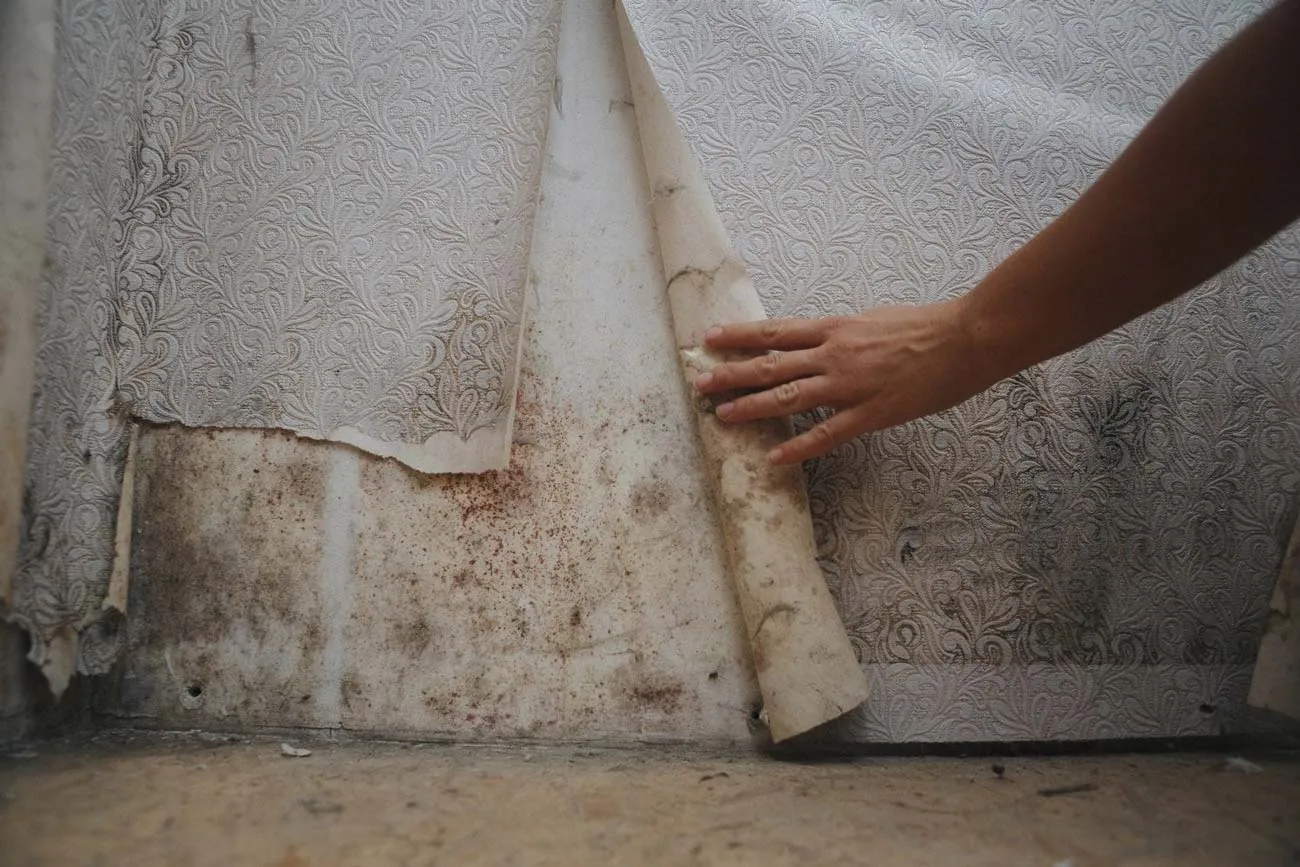
Containment, removal, and prevention — from hidden growth to whole-house remediation.
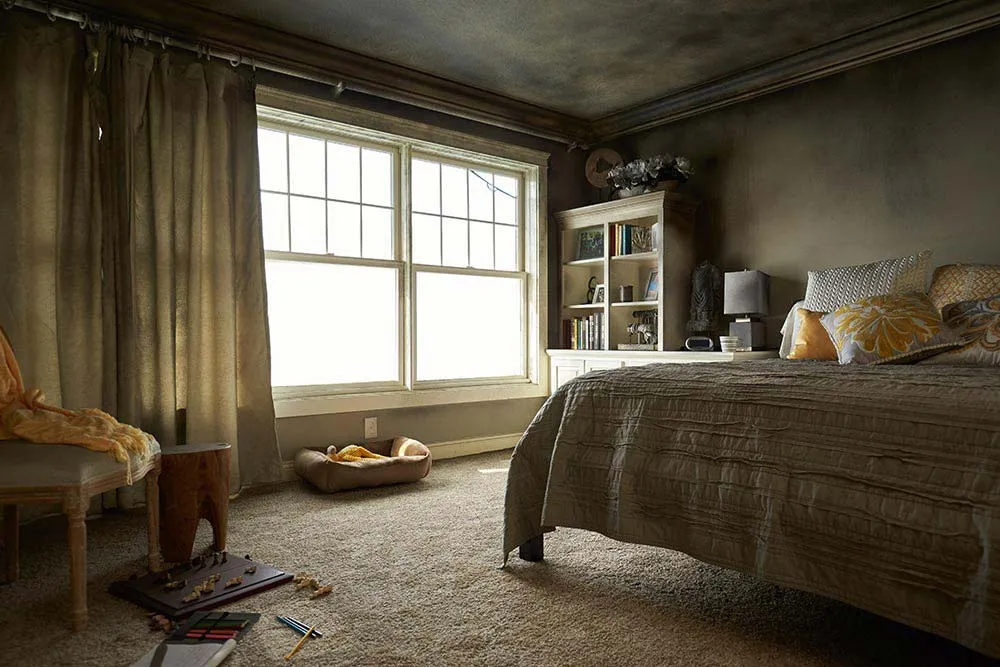
Soot removal, odor neutralization, structure cleaning, and contents pack-out.
From framing to finish — drywall, flooring, cabinetry, paint. One contractor, start to finish.
After major damage in Leesburg, you may need to reach a local department — the building office for permits and structural inspections, the health department for mold or contamination questions, or fire-rescue for a fire-damage assessment. Here are the offices serving Leesburg. Paul Davis is always one call away and can help you navigate the process.
Building Department
City of Leesburg Building Division
204 N 5th St, Leesburg, FL 34748
(352) 728-9735Health Department
Florida Dept of Health — Lake County
2113 Griffin Rd, Leesburg, FL 34748
(352) 589-6424Fire Department
Leesburg Fire Department (non-emergency)
201 S Canal St, Leesburg, FL 34748
(352) 728-9780Contact information is accurate to the best of our knowledge at time of publication. Paul Davis Restoration is not responsible for changes to agency contact information, hours, or services. For the most current information please contact the agency directly.
Typically no — standard homeowners' policies cover wind and rain damage but exclude rising water. If your home is in a FEMA flood zone, you likely have a separate flood policy. Paul Davis can document storm damage separately for wind/rain claims and flood claims when both occurred in the same event.
Properties within the Harris Chain watershed are at elevated flooding risk during prolonged storm events. Ian in 2022 demonstrated how quickly lake levels can rise across the full chain. Your FEMA flood zone designation gives you a baseline — Paul Davis assesses actual conditions on arrival without relying solely on zone designations.
We photograph debris positions before any removal for insurance documentation, then remove tree and limb debris as part of the storm restoration scope. If a tree has penetrated the roof, we stabilize and tarp first, then remove the tree carefully to avoid additional structural damage.
Category 3 water has contacted soil, septic systems, or lake sediment and carries biological contaminants. Materials that absorb it — carpet, drywall, insulation — must be removed rather than dried in place. Paul Davis assesses water category on arrival and adjusts the scope accordingly.
We target 60-minute emergency response throughout Leesburg and Lake County, 24 hours a day. Emergency tarp and board-up is dispatched on the same call as your assessment.
Yes — we work throughout Leesburg's established neighborhoods with all construction eras. Older homes require more thorough investigation of water pathways and structural framing, and we adjust our assessment and scope accordingly.
Paul Davis Restoration serves Leesburg, Tavares, Fruitland Park, and throughout Lake County with 24/7 storm damage emergency response. Emergency tarping, water extraction, debris removal, and full reconstruction — with direct insurance billing and complete claim documentation. Call now.